Skip to content


Prices enters 2026 bearish despite U.S. siege on Venezuela’s shadow oil fleet

Sopuruchi Onwuka
U.S. authorities are intensifying enforcement against Venezuela’s oil exports as global crude prices post their steepest annual decline since the pandemic era.
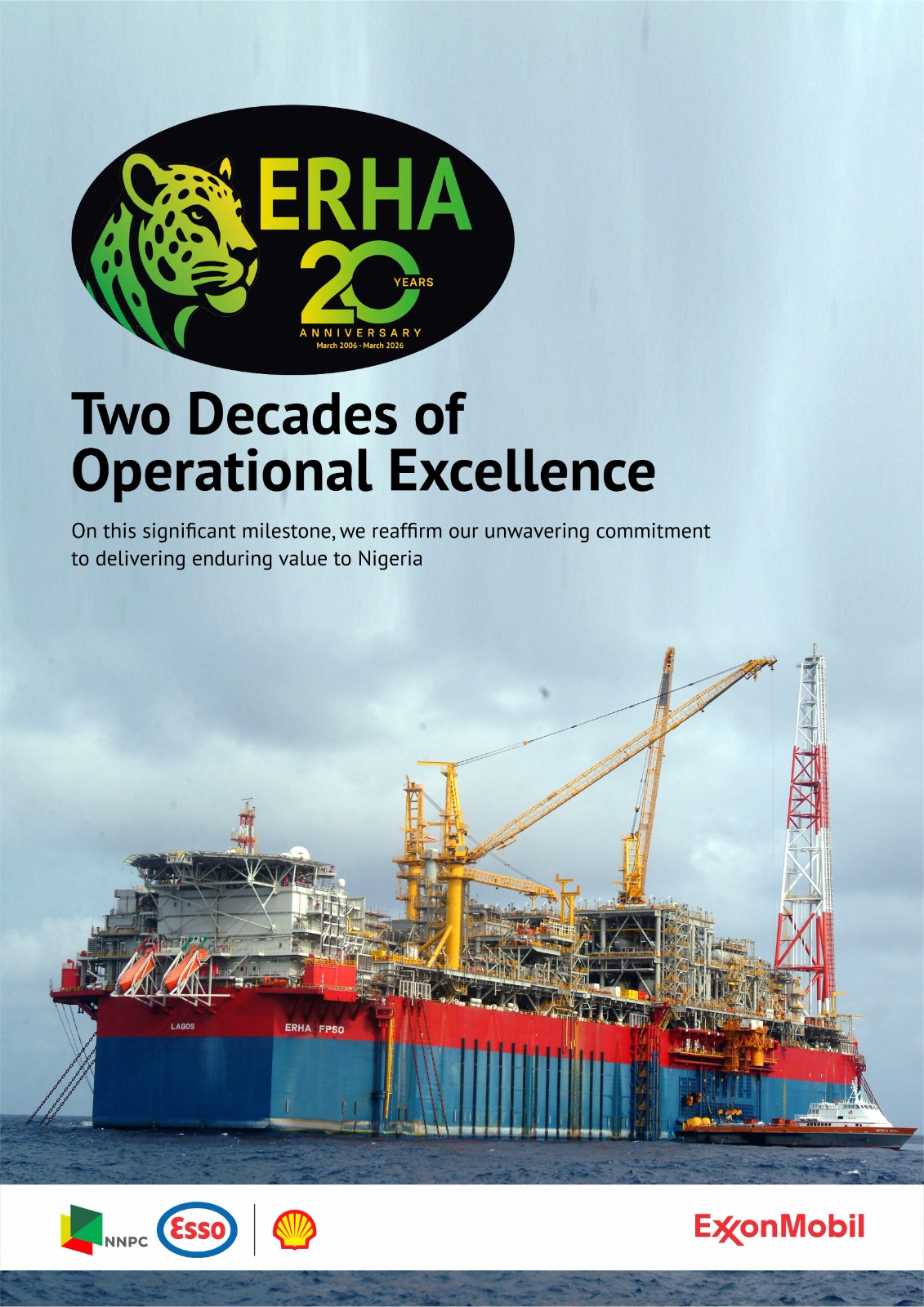
Oil prices fell sharply in 2025, with ICE Brent crude ending the year at $60.85 a barrel, down 19% year over year. The drop marks the largest annual percentage decline since 2020 and the third consecutive year of falling prices, the longest negative streak on record.
Oil price sink in the new year waves aside sentiments over the U.S. Treasury’s new sanctions targeting companies and vessels accused of helping Venezuela evade oil restrictions and generate revenue for President Nicolás Maduro’s government. The Office of Foreign Assets Control said it sanctioned four companies operating in Venezuela’s oil sector and identified four oil tankers as blocked property, citing their role in transporting Venezuelan crude through what U.S. officials describe as a growing shadow fleet.
“These vessels continue to provide financial resources that fuel Maduro’s illegitimate narco-terrorist regime,” the Treasury Department said, adding that Venezuela increasingly depends on opaque shipping networks to evade sanctions and finance destabilizing activities. Treasury Secretary Scott Bessent said the enforcement action reflects President Donald Trump’s renewed pressure campaign against Caracas.
“President Trump has been clear: We will not allow the illegitimate Maduro regime to profit from exporting oil while it floods the United States with deadly drugs,” Bessent said. “The Treasury Department will continue to implement President Trump’s campaign of pressure on Maduro’s regime.”
The latest action builds on long-standing U.S. sanctions against Venezuela’s energy industry. In January 2019, OFAC designated state-owned oil company Petróleos de Venezuela, S.A. under Executive Order 13850 for operating in the country’s oil sector, followed by a full asset-blocking order under Executive Order 13884 later that year. Treasury officials said the current sanctions also complement recent measures imposed in December against PDVSA-linked officials, associates, and vessels.
Among those designated are Corniola Limited and Krape Myrtle Co LTD, linked to the oil tanker NORD STAR, which OFAC said transported Venezuelan crude. Winky International Limited was sanctioned in connection with the tanker ROSALIND, also known as LUNAR TIDE, while Aries Global Investment LTD was designated for operating in Venezuela’s oil sector and linked to the tankers DELLA and VALIANT. OFAC identified all four vessels as blocked property.
As a result of the action, all property and interests in property of the designated entities and vessels that fall under U.S. jurisdiction are frozen and must be reported to OFAC. Any entities owned, directly or indirectly, 50 percent or more by sanctioned parties are also blocked. Unless authorized by a general or specific license, U.S. persons are broadly prohibited from engaging in transactions involving the designated parties, including the provision or receipt of funds, goods, or services.
The Treasury Department warned that violations of U.S. sanctions may result in civil or criminal penalties for both U.S. and foreign persons and noted that enforcement can be applied on a strict liability basis. While officials emphasized that sanctions are intended to drive changes in behavior rather than punishment, they stressed that oil traders, shipping firms, and financial institutions involved in Venezuelan crude shipments continue to face significant sanctions risk.