Skip to content

Nigerian stakeholders take stock as UKNIAF closes out infrastructure advisory support

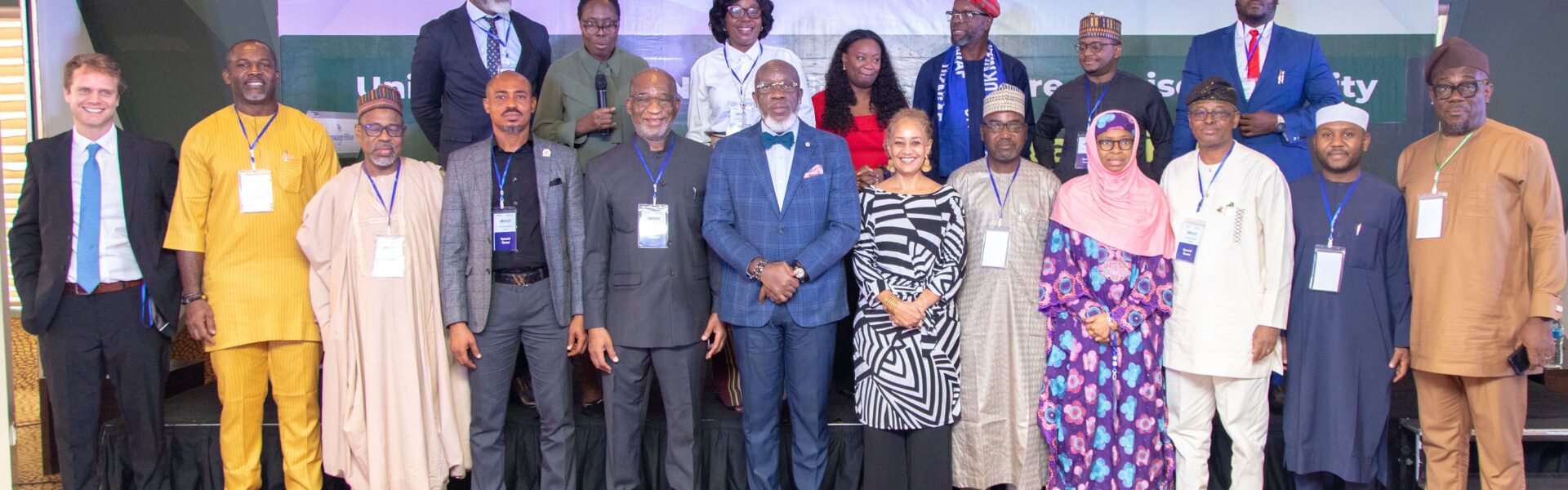
The United Kingdom–Nigeria Infrastructure Advisory Facility (UKNIAF) gathered more than 100 senior government officials, development partners, DFIs and private-sector leaders on December 2 to review six years of work as the current phase of the programme comes to an end. UKNIAF, launched in 2019, is the third in a 16-year line of UK-funded support to Nigeria’s infrastructure reforms.
Since inception, the programme has provided targeted technical assistance across the power, infrastructure finance and roads sectors. Its work helped federal and state institutions adopt evidence-based planning, mobilise new finance and strengthen the systems needed to attract investment. Stakeholders said these efforts had supported economic growth and improved services at both national and sub-national levels.
Discussions during the close-out event focused on how institutional capacity has changed, where reforms have taken hold and what will be required to sustain them. In the power sector, participants pointed to several milestones: Nigeria’s first Integrated Resource Plan, new real-time data capabilities at the Nigerian Electricity Regulatory Commission, and support that enabled states to begin operating their own electricity markets.
In infrastructure finance, UKNIAF helped prepare projects and unlock funding. Its support contributed to the African Development Bank’s US$75 million financing for two states under the Special Agro-Industrial Processing Zone programme. It also helped the Rural Electrification Agency introduce improved project models for mini-grids and solar plants and designed a national project preparation facility now backed by ₦21 billion in both the 2024 and 2025 budgets.
UKNIAF Team Lead Frank Edozie described the close-out as a handover, not an end. “For over six years, we helped strengthen institutions with tools that make Nigeria’s infrastructure landscape more transparent, climate-smart and attractive to investors. This legacy now sits with our partners to sustain and grow,” he said.
Minister of Power, Chief Adebayo Adelabu, said the programme’s technical assistance and advisory work had laid “a firmer foundation” for a more sustainable and inclusive electricity supply industry. Cynthia Rowe, who heads Development Cooperation at the UK FCDO in Nigeria, highlighted shared achievements including support for state-led electricity markets, the US$75 million in mobilised AfDB financing, and the design of Nigeria’s Climate Change Fund.
Enugu State’s Secretary to the Government, Prof. Chidiebere Onyia, said the programme’s value is reflected in the cadre of officials who now carry its tools and knowledge into government. “UKNIAF may be ending as a programme, but its legacy in supporting senior decision makers lives on,” he said.
The event closed with partners renewing commitments to keep the tools and reforms in active use. It also strengthened ties across public agencies, private actors and development partners who will continue working in Nigeria’s infrastructure and energy sectors.
Attendees included the Nigeria Governors’ Forum, the Federal Ministry of Power, the Ministry of Finance, NERC, REA, TCN, several state governments, the African Development Bank, the World Bank, IFC and other private-sector and civil society groups.
UKNIAF is an FCDO-funded, demand-led technical assistance programme that supports Nigeria’s Federal Government and selected states.