Skip to content


Nigeria’s gas flare worsens despite commercialization plans

- Oil output averaged 1.7 mbd between 2015 and 2024
- Private refineries export 79,000 b/d since 2020
Sopuruchi Onwuka
Nigeria flared about 229 billion cubic feet of natural gas in 2024, a jump of roughly 12 percent from the previous year, according to new data from the US Energy Information Administration.
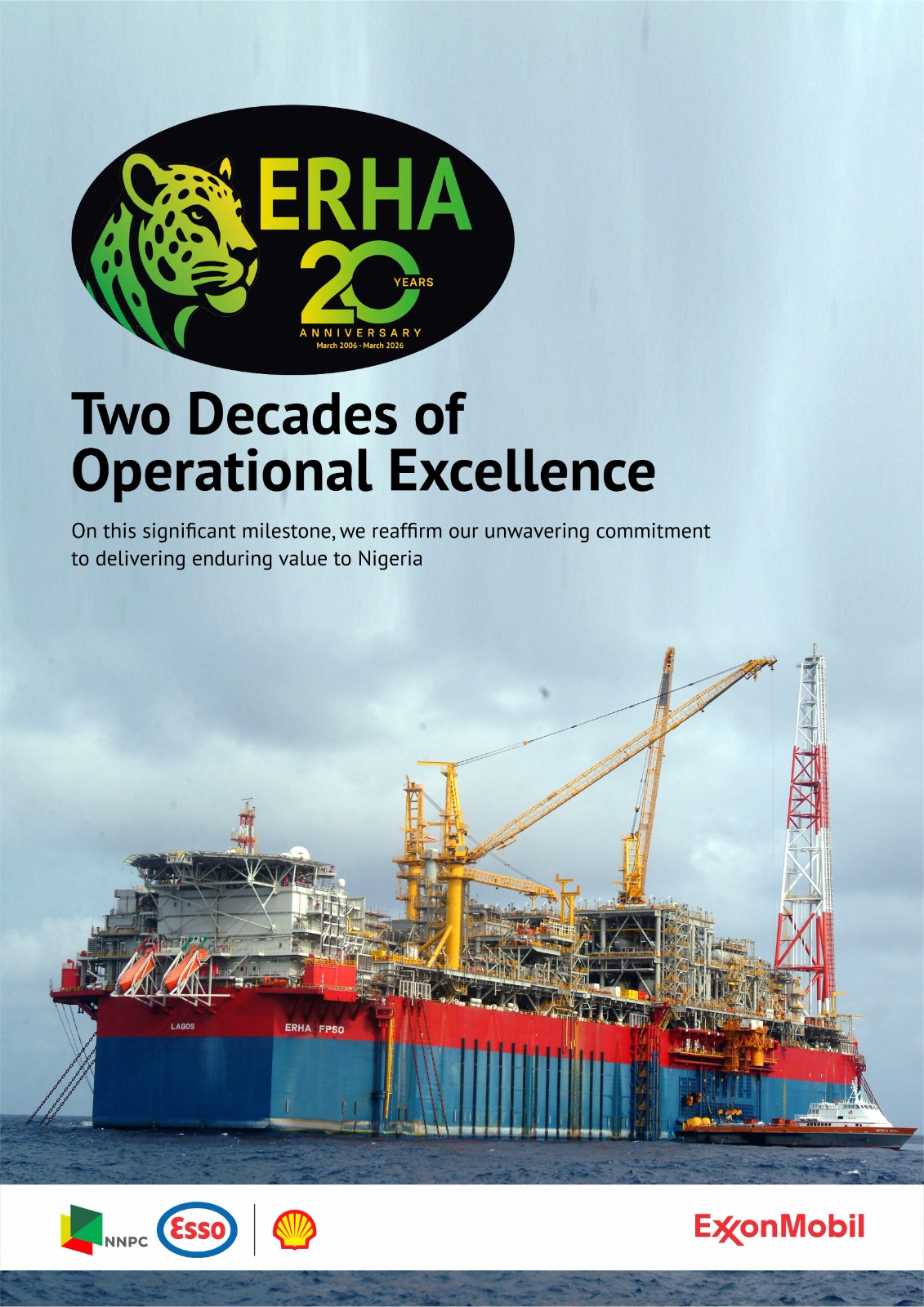
The increase pushed the country to seventh place globally by flared volume and highlighted the widening gap between Nigeria’s gas potential and its on-ground performance.
The EIA said flaring continues to rise because many of Nigeria’s oil fields still lack the systems needed to capture associated gas. Slow progress in gas monetization programs and weak infrastructure have held back investment, even as the country holds an estimated 211.1 trillion cubic feet of proved reserves.
The contrast between Nigeria’s gas resources and its limited ability to commercialize them has become a central challenge. Large volumes of gas are re-injected or flared instead of sold because pipeline links, processing hubs, and local demand remain insufficient. This means the country earns far less from gas than the size of its reserves would suggest.
One clear exception is Nigeria LNG, which the EIA described as the most effective commercial channel for Nigerian gas. Nigeria exported about 650 Bcf of LNG in 2024, mostly to Europe and Asia. Spain and France led European purchases at 77 Bcf and 34 Bcf. China and India were the top importers in Asia, receiving 67 Bcf and 69 Bcf.
Nigeria is also trying to expand its pipeline footprint at home and across the region. The Ajaokuta-Kaduna-Kano project is the most advanced domestic line but still lacks a completion date. It forms part of the wider Trans-Nigeria Gas Pipeline network that feeds into the long-planned Trans-Sahara Gas Pipeline from Nigeria to Algeria. A second regional project, the Nigeria-Morocco Gas Pipeline, aims to connect 13 West African states along the coast but remains far from a final investment decision.
Beyond pipelines, the Escravos gas-to-liquids plant, run by Chevron in partnership with NNPC, continues to supply diesel, LPG, and naphtha for export. The facility can convert about 475 million cubic feet of gas per day and has been operating since 2014.
Nigeria’s dry gas production averaged 1.5 Tcf between 2014 and 2023, while consumption averaged 658 Bcf. These figures underline the gap between resource size and domestic absorption capacity.
The EIA report also tracked Nigeria’s crude oil exports. The country shipped an average of 1.7 million barrels per day of crude and condensate between 2015 and 2024. Output fell by about 39 percent over the decade due to theft, under-investment, and operational issues. In 2024, exports stood at about 1.3 million barrels per day. Europe took the largest share, led by Spain and France. Asia Pacific buyers, led by India and Indonesia, accounted for 276,000 barrels per day.
A notable shift in 2024 was Nigeria’s return to crude imports. The country brought in about 43,000 barrels per day, nearly all from the United States. This trend emerged as domestic refineries remained offline pending rehabilitation.
Petroleum product exports tell a different story. For years, Nigeria exported small volumes because state-owned refineries were idle and private plants lacked scale.
Exports averaged about 79,000 barrels per day between 2020 and 2024. That changed with the start of the Dangote refinery. Product exports surged to 146,000 barrels per day in 2024, nearly four times the previous year’s level, and included naphtha, jet fuel, kerosene, and fuel oil.
The overall picture is mixed. Nigeria has the reserves, the regional position, and the export links to be a major global gas player. Yet rising flaring, slow infrastructure delivery, and weak domestic uptake continue to erode the benefits of those advantages. Until the country closes its infrastructure gaps and stabilizes upstream output, large volumes of gas will keep slipping through the cracks.