Skip to content


Divestment: NUPRC tidies up $400m abandonment obligations

- Clears94decommissioningplans
Sopuruchi Onwuka
Regulator of the Nigerian upstream petroleum industry has declared that it has worked the details of oilfield decommissioning and abandonment obligations among old players that divested their stakes and new players that acquired the assets.
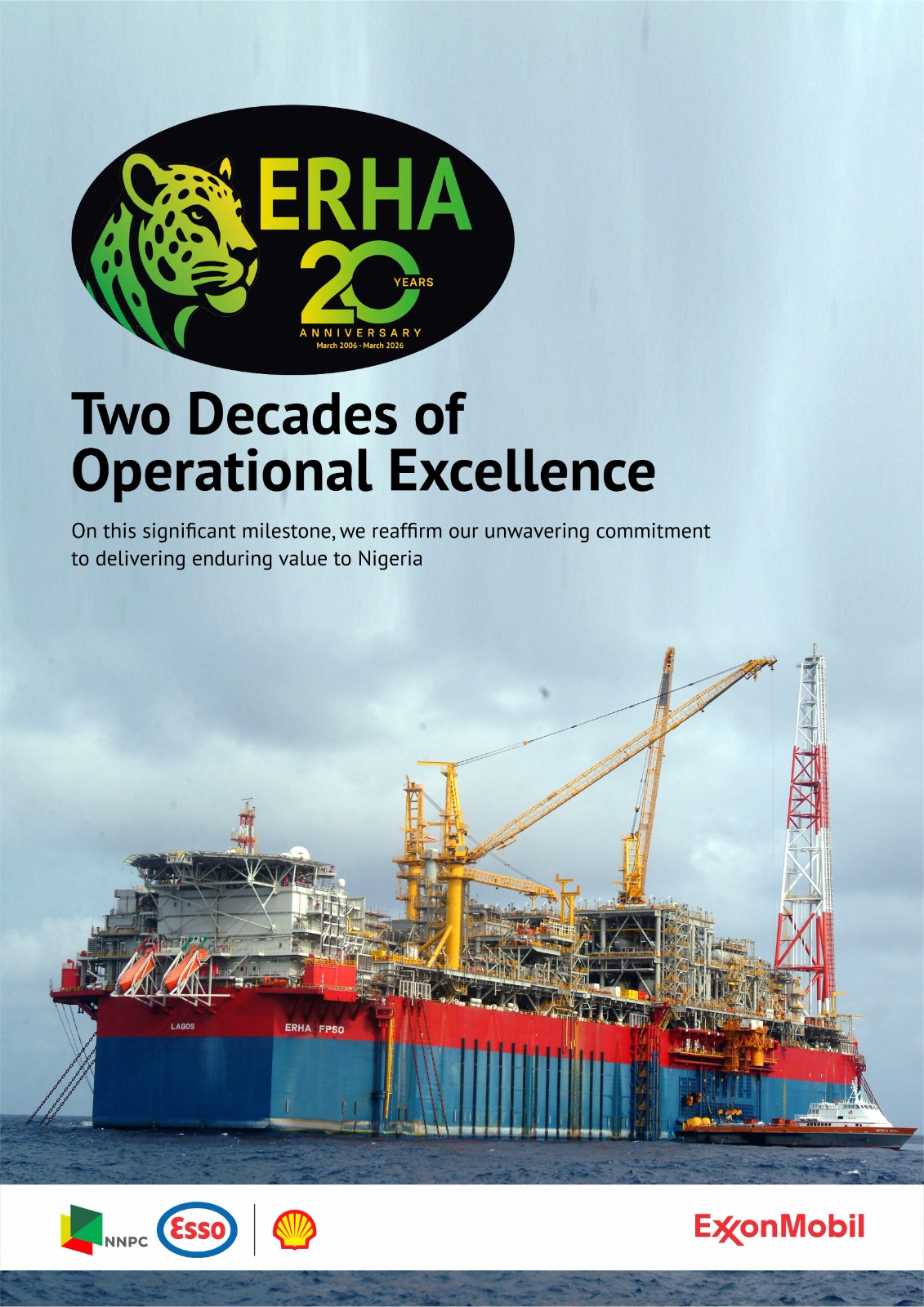
The Nigerian Upstream Petroleum Regulatory Commission (NUPRC) which is also the country lease administrator in the petroleum industry stated that it approved 94 decommissioning plans and secured funding contributions from parties left footprints in the assets most of which are in brownfield operations.
Chief Executive of the commission, Engr Gbenga Komolafe, stated in a media release that the agency drew lessons from costly global divestment cases to set strict rules for recent asset transfers.
Oracle Intelligence reports that the hasty move is coming after international oil companies that divested their assets were indicted by a United Nations report that accused them of turning their back on host communities by abdicating decommissioning and abandonment obligations.
In our previous reports, we had noted that the oil firms declared their commitment to establishment of stash funds that would be managed by the NUPRC for eventual decommissioning, environmental remediation and site abandonment.
The allegations by host communities at the UN and subsequent indicting report by an arm of the global body expose the information gaps between the Nigerian government and the citizens, and also the risk such disconnect imposes on commercial operators and their interests in the restive Niger Delta.
The abandonment fund would add to host of similar funds, including exploration fund, hosted for the industry at the NUPRC, which are hardly visible to players.
Engr Komolafe declared at stakeholders’ forum hosted by the Nigerian Extractive Industries Transparency Initiative (NEITI) in Lagos that NUPRC drew from comparative divestments models from lessons of the North Sea, where decommissioning is estimated at £27bn by 2032, the Gulf of Mexico costing over $9bn and in Canada’s Alberta, where more than 97,000 inactive or abandoned wells now carry estimated decommissioning and abandonment a budget of about C$70bn.
The NUPRC boss said the Northern Oil & Gas in 2019 left behind liabilities of more than AU$200m in Australia.
Engr Komolafe who was represented by the Deputy Director in charge of Human Resources, Corporate Services & Administration, Efemona Bassey, spoke on “Divestments, Liabilities, and the Impact of Ongoing Reforms on Extractive Companies in Nigeria.”
The CCE stated that the lessons from these experiences guided the recent divestment approvals from NAOC to Oando Energy Resources; Equinor to Chappal Energies; Mobil Producing Nigeria Unlimited to Seplat Energies; SPDC to Renaissance Africa Energy; and TotalEnergies to Telema Energies.
The CCE said, “Without a robust and enforceable framework for abandonment and decommissioning, divestment transitions can create lasting financial and environmental burdens.
“Nigeria is not immune to this challenge, and if we are to avert costly mistakes. It is precisely to avoid this outcome that Nigeria, through the Petroleum Industry Act and subsequent regulatory actions, has taken bold and decisive steps.”
The NUPRC boss highlighted Nigeria’s response to the recent divestments in line with Sections 232 and 233 of the PIA which place full responsibility for the decommissioning and abandonment of petroleum wells, installations, structures, utilities, plants, and pipelines on licensees and lessees.
Similarly, Chapter 3 of the PIA and Section 104 of the PIA, establish specific obligations for host community development and environmental remediation respectively.
He said each of the 2024 divestments provided a critical opportunity to put the Commission’s Divestment Framework to test and action: rigorously assessing the technical capacity of acquiring entities, verifying their financial strength, and securing decommissioning and abandonment obligations through upfront escrow arrangements.
Komolafe said, “The results from 2024 speak for themselves. Over US$400 million in pre-sale decommissioning and abandonment liabilities have been secured through Letters of Credit and escrow accounts.
“Host Community Development Trust obligations are fully honoured. Environmental remediation commitments worth over US$9.2 million have been pledged while awaiting the formal gazetting of the ERF Regulations.”
The CCE said beyond the significant progress achieved through our Divestment Framework, it is important to highlight another milestone.
“Since April 2023, we have approved 94 Decommissioning and Abandonment (D&A) plans, in strict alignment with the PIA. These approvals represent total liabilities of $4.424 billion, arising from all Field Development Plans submitted within this period, and will be remitted progressively over the production life of the respective fields into designated escrow accounts,” he added.
He further disclosed that the Commission has addressed a long-standing concern with the IOCs regarding the domiciliation of the escrow accounts; and the regulatory framework, developed after extensive consultations with industry stakeholders, is now awaiting gazetting by the Ministry of Justice.
He acknowledged the invaluable role of NUPRC partners, NEITI and Oil Producers Trade Section (OPTS).
According to him, as the moral compass of the extractive industry, NEITI has consistently ensured that NUPRC embedded transparency and disclosure in all its regulatory processes while OPTS, the united voice of producers, has supported us in shaping regulations that balance industry realities with national priorities.
He added, “In addition to divestments, the Commission has been working together with operators, particularly members of OPTS, on life extension projects, ranging from facility integrity audits to subsea upgrades and enhanced reservoir management measures that sustain safe production, delay decommissioning, reduce environmental risks, and secure resilience across our mature fields.”
Divestment: NUPRCtidies up $400m abandonment obligations
- Clears94decommissioningplans
Sopuruchi Onwuka
Regulator of the Nigerian upstream petroleum industry has declared that it has worked the details of oilfield decommissioning and abandonment obligations among old players that divested their stakes and new players that acquired the assets.
The Nigerian Upstream Petroleum Regulatory Commission (NUPRC) which is also the country lease administrator in the petroleum industry stated that it approved 94 decommissioning plans and secured funding contributions from parties left footprints in the assets most of which are in brownfield operations.
Chief Executive of the commission, Engr Gbenga Komolafe, stated in a media release that the agency drew lessons from costly global divestment cases to set strict rules for recent asset transfers.
Oracle Intelligence reports that the hasty move is coming after international oil companies that divested their assets were indicted by a United Nations report that accused them of turning their back on host communities by abdicating decommissioning and abandonment obligations.
In our previous reports, we had noted that the oil firms declared their commitment to establishment of stash funds that would be managed by the NUPRC for eventual decommissioning, environmental remediation and site abandonment.
The allegations by host communities at the UN and subsequent indicting report by an arm of the global body expose the information gaps between the Nigerian government and the citizens, and also the risk such disconnect imposes on commercial operators and their interests in the restive Niger Delta.
The abandonment fund would add to host of similar funds, including exploration fund, hosted for the industry at the NUPRC, which are hardly visible to players.
Engr Komolafe declared at stakeholders’ forum hosted by the Nigerian Extractive Industries Transparency Initiative (NEITI) in Lagos that NUPRC drew from comparative divestments models from lessons of the North Sea, where decommissioning is estimated at £27bn by 2032, the Gulf of Mexico costing over $9bn and in Canada’s Alberta, where more than 97,000 inactive or abandoned wells now carry estimated decommissioning and abandonment a budget of about C$70bn.
The NUPRC boss said the Northern Oil & Gas in 2019 left behind liabilities of more than AU$200m in Australia.
Engr Komolafe who was represented by the Deputy Director in charge of Human Resources, Corporate Services & Administration, Efemona Bassey, spoke on “Divestments, Liabilities, and the Impact of Ongoing Reforms on Extractive Companies in Nigeria.”
The CCE stated that the lessons from these experiences guided the recent divestment approvals from NAOC to Oando Energy Resources; Equinor to Chappal Energies; Mobil Producing Nigeria Unlimited to Seplat Energies; SPDC to Renaissance Africa Energy; and TotalEnergies to Telema Energies.
The CCE said, “Without a robust and enforceable framework for abandonment and decommissioning, divestment transitions can create lasting financial and environmental burdens.
“Nigeria is not immune to this challenge, and if we are to avert costly mistakes. It is precisely to avoid this outcome that Nigeria, through the Petroleum Industry Act and subsequent regulatory actions, has taken bold and decisive steps.”
The NUPRC boss highlighted Nigeria’s response to the recent divestments in line with Sections 232 and 233 of the PIA which place full responsibility for the decommissioning and abandonment of petroleum wells, installations, structures, utilities, plants, and pipelines on licensees and lessees.
Similarly, Chapter 3 of the PIA and Section 104 of the PIA, establish specific obligations for host community development and environmental remediation respectively.
He said each of the 2024 divestments provided a critical opportunity to put the Commission’s Divestment Framework to test and action: rigorously assessing the technical capacity of acquiring entities, verifying their financial strength, and securing decommissioning and abandonment obligations through upfront escrow arrangements.
Komolafe said, “The results from 2024 speak for themselves. Over US$400 million in pre-sale decommissioning and abandonment liabilities have been secured through Letters of Credit and escrow accounts.
“Host Community Development Trust obligations are fully honoured. Environmental remediation commitments worth over US$9.2 million have been pledged while awaiting the formal gazetting of the ERF Regulations.”
The CCE said beyond the significant progress achieved through our Divestment Framework, it is important to highlight another milestone.
“Since April 2023, we have approved 94 Decommissioning and Abandonment (D&A) plans, in strict alignment with the PIA. These approvals represent total liabilities of $4.424 billion, arising from all Field Development Plans submitted within this period, and will be remitted progressively over the production life of the respective fields into designated escrow accounts,” he added.
He further disclosed that the Commission has addressed a long-standing concern with the IOCs regarding the domiciliation of the escrow accounts; and the regulatory framework, developed after extensive consultations with industry stakeholders, is now awaiting gazetting by the Ministry of Justice.
He acknowledged the invaluable role of NUPRC partners, NEITI and Oil Producers Trade Section (OPTS).
According to him, as the moral compass of the extractive industry, NEITI has consistently ensured that NUPRC embedded transparency and disclosure in all its regulatory processes while OPTS, the united voice of producers, has supported us in shaping regulations that balance industry realities with national priorities.
He added, “In addition to divestments, the Commission has been working together with operators, particularly members of OPTS, on life extension projects, ranging from facility integrity audits to subsea upgrades and enhanced reservoir management measures that sustain safe production, delay decommissioning, reduce environmental risks, and secure resilience across our mature fields.”