Skip to content

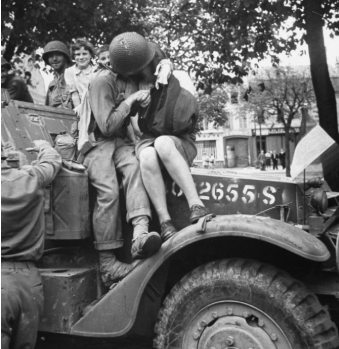
Women, girls account for 25% of civilian war deaths as conflict toll doubles – UN

The proportion of women and girls among civilians killed in armed conflicts has doubled since 2021, with one in every four civilian deaths recorded last year involving women and girls, according to a new United Nations report.
The report, the UN Secretary-General’s annual report on Women, Peace and Security, estimates that more than 37,000 civilians were killed in armed conflicts in 2025, with at least 25 women and girls losing their lives every day in conflict settings.

It also raises concerns over a sharp increase in conflict-related sexual violence, the growing exposure of women and girls to armed violence and their continued exclusion from peace negotiations.
The report estimates that about 750 million women and girls now live within 50 kilometres of an active conflict zone, representing an increase of 40 million from 2024 and the highest figure recorded since 1990.
“War is getting deadlier for women and girls, and the world is allowing it to happen,” UN Women Deputy Executive Director, Nyaradzayi Gumbonzvanda, told journalists at the UN Headquarters in New York while presenting the report.
“For them, war is not something they can scroll past. War is outside their door,” she said.
The report noted that the consequences of armed conflict for women and girls extend beyond deaths and injuries on the battlefield, with the destruction of essential infrastructure, displacement, sexual violence and worsening economic conditions exposing them to multiple forms of vulnerability.
In 2025, the United Nations verified 9,788 cases of conflict-related sexual violence, more than twice the number recorded in the previous year and almost four times the figure for 2022.
In Haiti, reported cases of sexual violence increased by 163 per cent, underscoring the growing risks faced by women and girls in conflict-affected communities.
The report also highlighted the severe consequences of conflict for maternal health, noting that a woman giving birth in a conflict-affected country is five times more likely to die from maternal causes than a woman in a stable country.
Gumbonzvanda said the destruction of hospitals and maternity facilities in Gaza, alongside the collapse of access to essential supplies, had contributed to a 41 per cent decline in live births and a 300 per cent increase in miscarriages.
Beyond the immediate threat of violence, armed conflicts are also pushing millions of women and girls deeper into poverty. About 170 million live in both conflict zones and extreme poverty, surviving on less than $3 a day.
Women and girls in conflict-affected countries also spend five times as many hours on unpaid care work as men and boys, further increasing their economic and social burden.
The report warned that the expanding use of drones and long-range weapons in populated areas was creating additional threats, particularly through attacks on schools, markets and hospitals.
Despite bearing a growing share of the consequences of war, women remain largely excluded from efforts to negotiate peace and end hostilities.
In 2025, women accounted for only five per cent of negotiators across 57 peace processes, a decline of seven percentage points from the previous year. None of the 13 ceasefire agreements reached during the period explicitly prohibited conflict-related sexual violence.
The report also drew attention to the widening gap between global military expenditure and resources available for humanitarian and development interventions.
Global military spending reached a record $2.9 trillion in 2025, even as 40 per cent of women’s organisations operating in crisis-affected settings said they expected to shut down temporarily or permanently within the following year because of severe funding shortages.
UN Women Executive Director, Sima Bahous, said the growing number of women and girls trapped in conflicts contrasted sharply with rising military expenditure and declining development assistance.
“More women and girls are trapped in wars than at any point in decades. Yet military spending keeps rising and development assistance keeps falling,” Bahous said.
UN Women called for stronger protection of women and girls in conflict situations, their meaningful participation in peace and security processes, sustained investment in women-led peacebuilding initiatives and measures to end impunity for perpetrators of violence.
Emphasising the need for political commitment to end armed conflicts and protect civilians, Gumbonzvanda said: “War is a human choice. So is peace.”