Skip to content

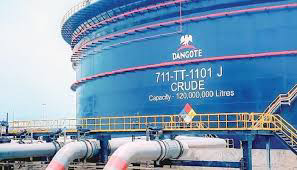
Inflation, forex may worsen as Dangote Refinery dumps Naira for dollar pricing

Ziggy Ojegbe
Nigeria’s downstream petroleum sector is facing a major policy and commercial shift after Dangote Petroleum Refinery discontinued naira-denominated sales of refined petroleum products, replacing them with dollar-based pricing in a move that could intensify pressure on the foreign exchange market and fuel fresh inflationary concerns.
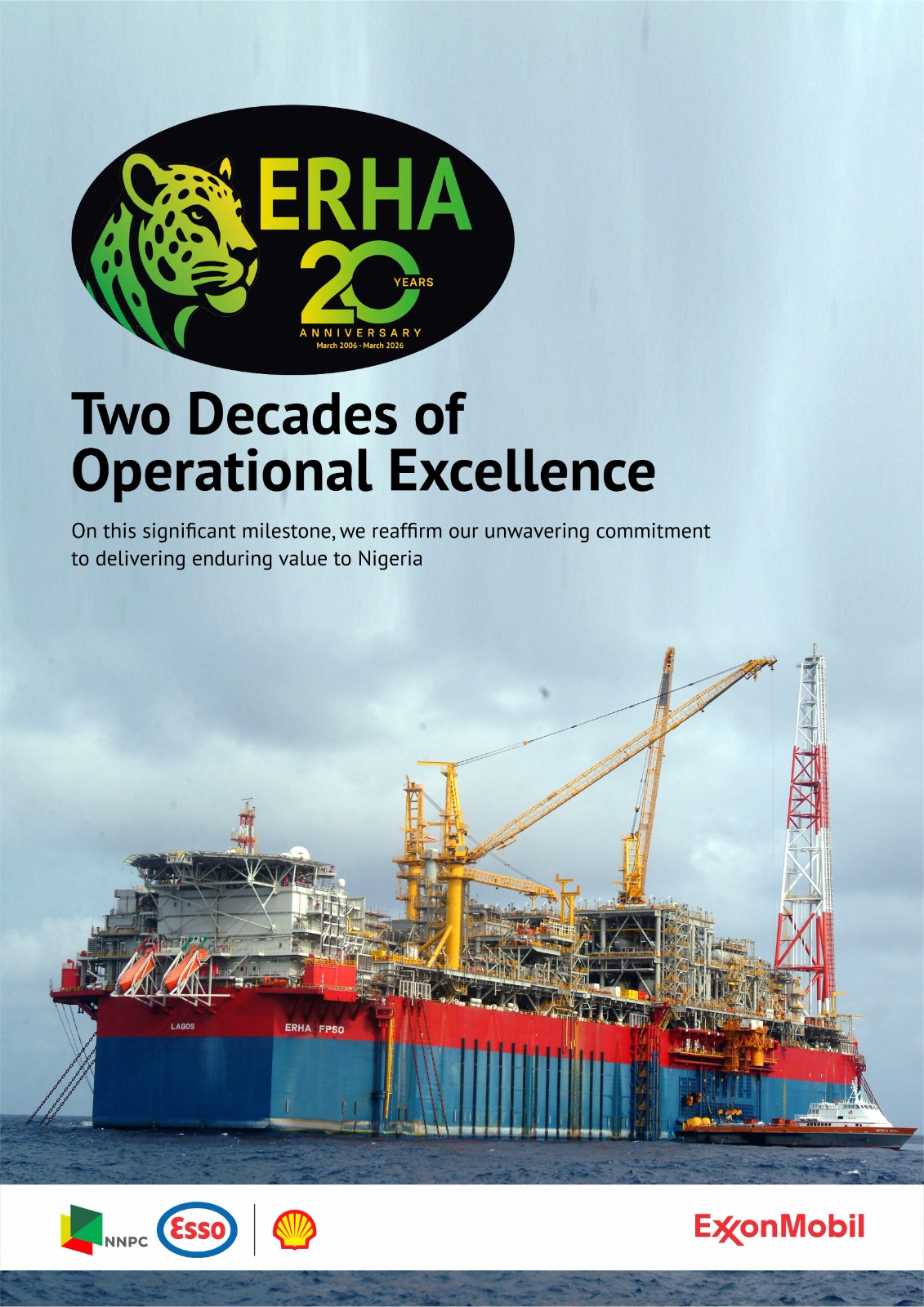
The decision comes despite the Federal Government’s naira-for-crude policy, introduced to enable local refiners purchase crude oil in naira, reduce pressure on the country’s foreign exchange reserves and ultimately lower domestic fuel prices.
Industry analysts say the refinery’s decision could significantly alter pricing dynamics in the deregulated downstream market, where Dangote has emerged as Nigeria’s dominant supplier of petrol, diesel and aviation fuel.
The eventual retail pump price of petrol, they noted, will now depend largely on prevailing exchange rates, international crude oil prices, logistics costs, transportation expenses, regulatory charges and marketers’ operating margins.
They also warn that increased demand for dollars by petroleum marketers may place additional strain on the naira and worsen inflation in an economy where fuel prices remain a key driver of transportation, food and production costs.
The development also adds a new political dimension to President Bola Ahmed Tinubu’s economic reform agenda as the administration seeks to demonstrate the benefits of market liberalisation ahead of the 2027 general elections.
Dangote Petroleum Refinery fixed the ex-depot price of Premium Motor Spirit (PMS), popularly known as petrol, at $0.779 per litre, effectively ending naira payments for petroleum products sold through its facilities.
The refinery also announced new dollar-denominated prices for transportation fuels including diesel and aviation fuel.
Under the revised pricing schedule, petrol sold through the gantry will cost $0.779 per litre, diesel $1.087 per litre, aviation fuel $0.942 per litre, while coastal deliveries of PMS have been fixed at $1,044.62 per metric tonne.
In a notice issued to petroleum marketers and customers, the refinery declared that all previously issued naira-denominated Proforma Invoices (PFIs) and Deal Recaps for gantry and coastal transactions had become invalid.
“Following our email of July 9, 2026, regarding the transition from naira to United States dollars (USD), please note that all issued naira coastal and gantry PFIs/Deal Recaps are now invalid, and no payments should be made against them.
“The applicable USD prices for each product, effective today, July 13, 2026, are provided below.”
The company, however, clarified that the transition does not apply to Liquefied Petroleum Gas (LPG), which will continue to be transacted under the existing arrangement.
The refinery’s decision represents a sharp departure from the naira-for-crude arrangement introduced by the Federal Government on October 1, 2024.
Under that policy, Dangote Refinery agreed to purchase domestically supplied crude oil in Naira, allowing it to sell refined petroleum products in the local currency. The initiative, widely regarded as one of the government’s flagship interventions following the deregulation of the downstream petroleum sector, was designed to conserve Nigeria’s foreign exchange reserves, reduce demand for dollars and cushion domestic fuel prices.
However, industry sources say the arrangement has encountered increasing implementation challenges, with a growing share of crude oil supplies reverting to dollar-denominated transactions.
Dangote has consistently maintained that a substantial portion of its crude feedstock is sourced internationally and paid for in dollars.
However, officials of the Nigerian Upstream Petroleum Regulatory Commission (NUPRC) and indigenous crude oil producers have previously argued that significant volumes of domestic crude allocated to the refinery were not fully lifted by the company.
Economic analysts say the shift could have far-reaching implications for Nigeria’s foreign exchange market and inflation outlook.
Petroleum marketers purchasing products from the refinery will now require greater access to dollars, potentially increasing demand in the foreign exchange market and placing additional pressure on the naira.
With fuel costs serving as a major determinant of transportation fares, manufacturing expenses and food prices, analysts fear the development could trigger another round of inflationary jumps across the economy.
The removal of fuel subsidy in 2023 led to sharp increases in petrol prices, contributing significantly to rising living costs nationwide. Observers believe the latest pricing adjustment could further complicate efforts to stabilise inflation if marketers pass the higher foreign exchange costs on to consumers.
Market observers also link the refinery’s decision to its broader expansion strategy across Africa.
Analysts note that Dangote is pursuing substantial non-debt financing to support future investments, including expansion projects and a planned Initial Public Offering (IPO), which regulators have indicated is progressing ahead of formal approval.
The adoption of dollar pricing is viewed by some industry watchers as part of efforts to align the refinery’s revenue structure with its largely dollar-denominated financing and crude procurement obligations.
The refinery’s latest move has renewed questions over the future effectiveness of the Federal Government’s naira-for-crude initiative.
While the policy was expected to strengthen domestic refining, reduce reliance on imported petroleum products and ease pressure on Nigeria’s foreign exchange market, recent developments suggest implementation challenges continue to undermine those objectives.
With Dangote Refinery now establishing dollar-denominated benchmark prices for petroleum products, industry stakeholders will be watching closely to see whether the government introduces fresh measures to preserve the objectives of the naira-for-crude policy or allows market forces to determine the next phase of pricing in Nigeria’s deregulated downstream petroleum sector.