Skip to content

World Bank, IFC target 32m households in Nigeria for electricity access

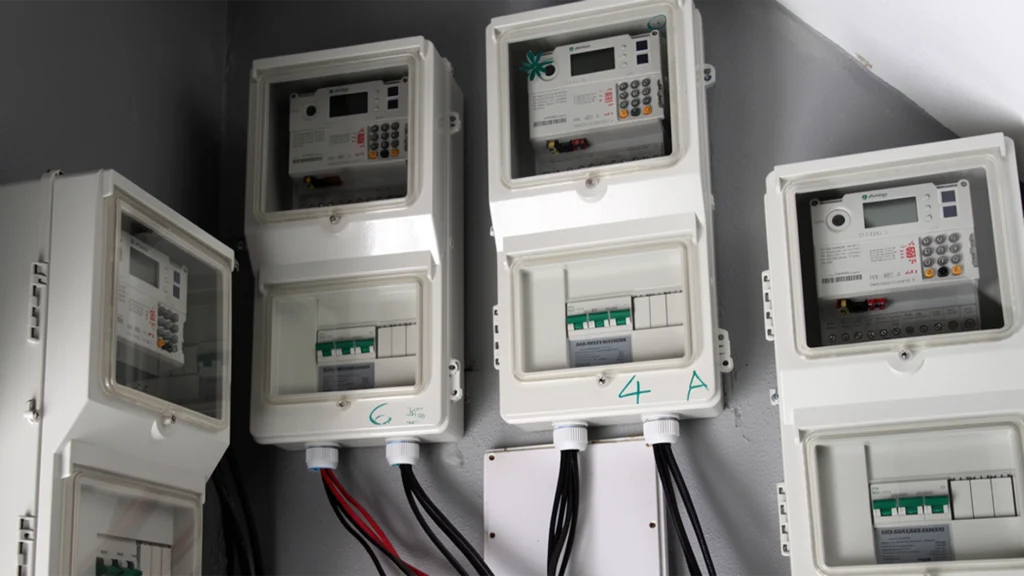
World Bank has disclosed that it is targeting an estimated 32 million Nigerian households to benefit from the planned Nigeria Actions for Investment and Jobs Creation (NAIJA) Development Policy Financing (DPF).
The NAIJA Development Policy Financing (DPF) is to executed in the country in collaboration with the International Finance Corporation (IFC).
According to the IFC Divisional Director for Nigeria and Central Africa, Olivier Buyoya, the Country Partnership Framework is the World Bank Group roadmap or strategy for the next six years that would lead to investments in electricity, agriculture, health and job creation.
Buyoya who disclosed this during a television interview, further explained that the project seeks to support the federal government and states with financing from private investors to governments’ ambitions.
“There are a number of goals, one of which is getting energy access to 32 million people. Energy is a massive topic here, as it is across the rest of Africa, with an estimated 500-600 million Africans that don’t have access to energy.”
He added that the project is part of a broader ambition that is supported by the World Bank Group and the African Development Bank, called Mission 300, to get access to energy to 300 million additional Africans by 2030.
“But how we finance those projects is also equally important. We have come to the realisation that in our countries, Nigeria included, the gap in terms of infrastructure financing needed for energy transport, is so large that we actually cannot finance it through public financing.
“Nigeria needs $14bn annually to meet up. So what we need to do is to come together with our friends from the World Bank, to create the conditions so that private investors can bring in capital to finance the infrastructure. So it’s financing, but it’s also creating conditions for others to come and finance.
“We’re also bringing expertise, global expertise, regional expertise. And the idea is really to support and help the country achieve its own ambitions to become a $1 trillion economy by 2030,” he said.