Skip to content

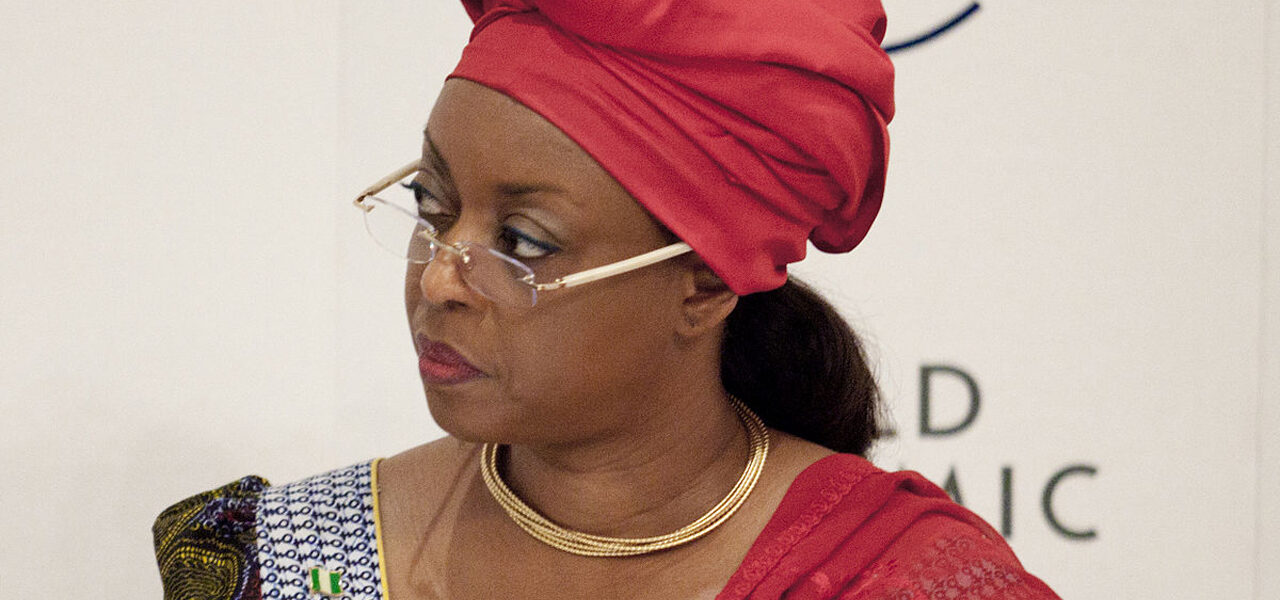
Diezani: When spirited woman is caught in the web of power

Sopuruchi Onwuka
The acquittal of former Petroleum Minister Diezani Alison-Madueke by a London jury after more than a decade of investigations and legal battles has reopened a larger conversation about one of the most consequential and controversial figures in the history of Nigeria’s oil and gas industry.
The outcome of the case was predictable. For many who are close to the Nigerian petroleum industry or have tracked activities in the sector, the charges pressed against Diezani at the British court are little more than hilarious: flying private jets offered by businessmen, acquiring houses in London, owning expensive jewelry, cruising in private yachts and accepting goodwill from players in the industry.
In Europe, these charges present serious ethical issues that could attract investigation and possible jail terms. In Nigeria, they are trivial distraction. Petroleum industry executives, including junior managers, legitimately own houses abroad. Most of them actually have families and homes abroad.
Private jets and choppers in the country primarily exist because of oil industry operations in which government holds overriding commercial and regulatory control. Thus, government officials, regulators, ministers and even legislators still fly private jets for a variety of genuine reasons.
For keen observers, Diezani Alison-Madueke was singled out, demonized and rapidly transformed into a symbol of corruption after the government of former President Goodluck Jonathan crumbed under intense political and security pressure in 2015.
Diezani immediately became the scapegoat of the fallen government, and, as a woman, step outside the reach of her powerful, angry predatory enemies. And the succeeding government of the late President Muhammadu Buhari demonstrated strong bitterness against the former minister.
Literally everything Diezani owned in the country, including clothing, was reportedly confiscated by the government. And a manhunt activated against her led to investigations and prosecution in the Britain where she took refuge, leaving her struggling for peace and freedom for over 10 years.
So, for her supporters, the verdict represents not merely the vindication of an individual but an opportunity to reassess the legacy of a technocrat whose transition from Shell executive to government reformer fundamentally altered the trajectory of the country’s petroleum sector.
Long before politics thrust her into the spotlight, Alison-Madueke had built a distinguished career in the corporate world.
After returning to Nigeria in 1992, she joined Shell Petroleum Development Company and rose through the ranks, serving in several strategic positions, including Head of Civil Infrastructure, Head of Corporate Issues and Crisis Management, and Lead Joint Ventures Representation Adviser, before becoming the first woman appointed Executive Director of Shell in Nigeria in 2006.
Throughout her nearly two decades at Shell, her professional competence and integrity were never publicly questioned. She acquired a reputation for discipline, efficiency and insistence on due process, traits that later shaped her philosophy as a public official.
Her entry into government as Minister of Transportation, followed by Minister of Mines and Steel Development and subsequently Minister of Petroleum Resources, marked the beginning of a dramatic transformation in both her career and public image.
As the first woman to occupy the petroleum ministry and later the first female President of OPEC, she broke barriers in one of the world’s most male-dominated industries. Supporters argue that her emergence disrupted a highly protected establishment long shaped by patriarchal traditions, ethnic balancing and religious considerations. In their view, the fierce attacks and relentless scrutiny she encountered reflected resistance from entrenched interests uncomfortable with a southern Christian woman occupying one of Nigeria’s most powerful positions.
Coming from a privileged background and having spent years as a senior Shell executive, Alison-Madueke was hardly an outsider to affluence. Admirers argue that her wealth and ownership of properties abroad should be understood within the context of an industry in which many executives and professionals maintain homes and investments in London, the United States, Canada and Dubai. They contend that the existence of such assets should not automatically be interpreted as evidence of wrongdoing.
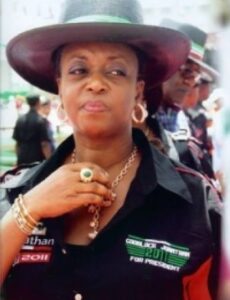
More importantly, they point to what they describe as one of the most ambitious reform periods in the history of Nigeria’s petroleum industry. Bringing with her the management culture and standards she acquired at Shell, Alison-Madueke embarked on a broad programme aimed at restructuring the sector, increasing transparency and reducing inefficiencies that had become institutionalised over decades.
One of her signature initiatives was the Gas Revolution Programme, conceived to reposition natural gas from a neglected by-product into the cornerstone of Nigeria’s industrialisation agenda. The programme sought to leverage the country’s enormous gas reserves to drive manufacturing, petrochemicals, fertiliser production and power generation.
Under the initiative, strategic gas industrial parks and infrastructure projects were conceptualised to support economic diversification and domestic energy security.
Her administration was equally instrumental in laying the foundations for Nigeria’s modern gas infrastructure architecture. Projects conceived and vigorously pursued during her tenure included the Obiafu-Obrikom-Oben (OB3) gas pipeline, designed to link the eastern and western gas networks and facilitate nationwide gas distribution. She also conceived the Ajaokuta-Kaduna-Kano (AKK) gas pipeline project, which was envisioned to deliver gas to northern Nigeria and stimulate industrial development across the region.
In addition, she promoted the ambitious Trans-Sahara Gas Pipeline project aimed at transporting Nigerian gas across the Sahara to European markets, reinforcing Nigeria’s strategic position in global energy security.
Although she served as Petroleum Minister rather than Power Minister, Alison-Madueke played a central role in conceiving and driving the gas supply framework that underpinned the National Integrated Power Programme (NIPP). Through collaboration with the Niger Delta Power Holding Company, the programme delivered several gas-fired power generation assets that continue to constitute a significant part of Nigeria’s electricity generation capacity.
Many of the plants currently managed by the NDPHC Plc emerged from that intervention, demonstrating her understanding of the strategic link between gas and power.
Perhaps one of her most enduring contributions was the advancement of indigenous participation in the oil and gas sector. She initiated the Nigerian Content Development Bill and vigorously lobbied the National Assembly to pass the Nigerian Oil and Gas Industry Content Development Act of 2010.
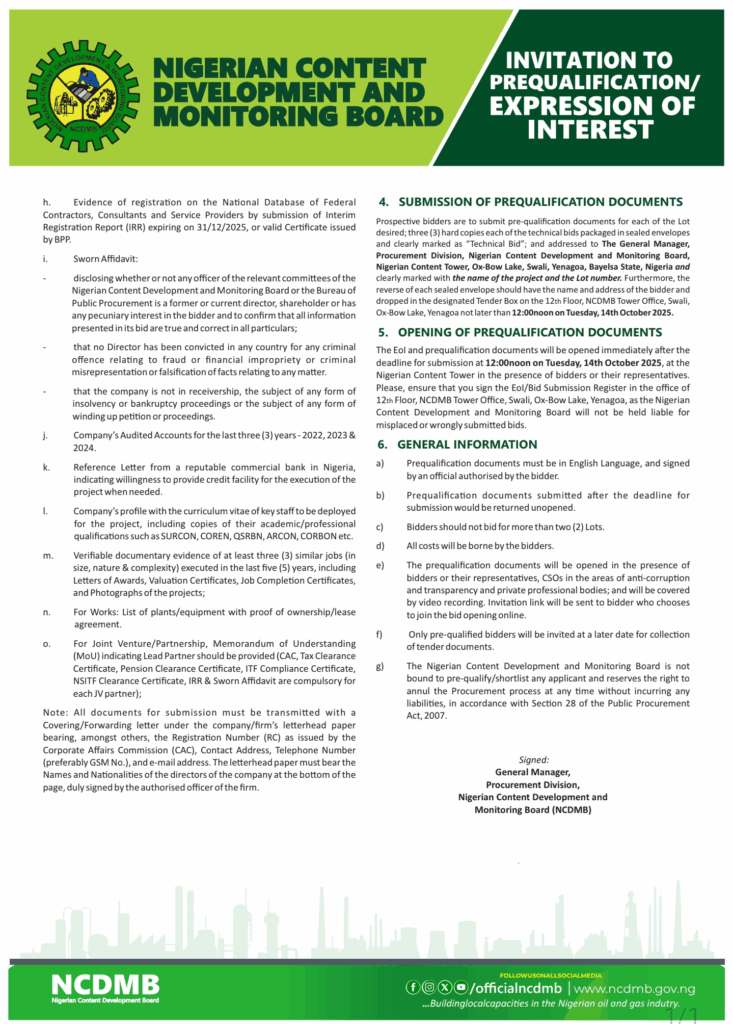
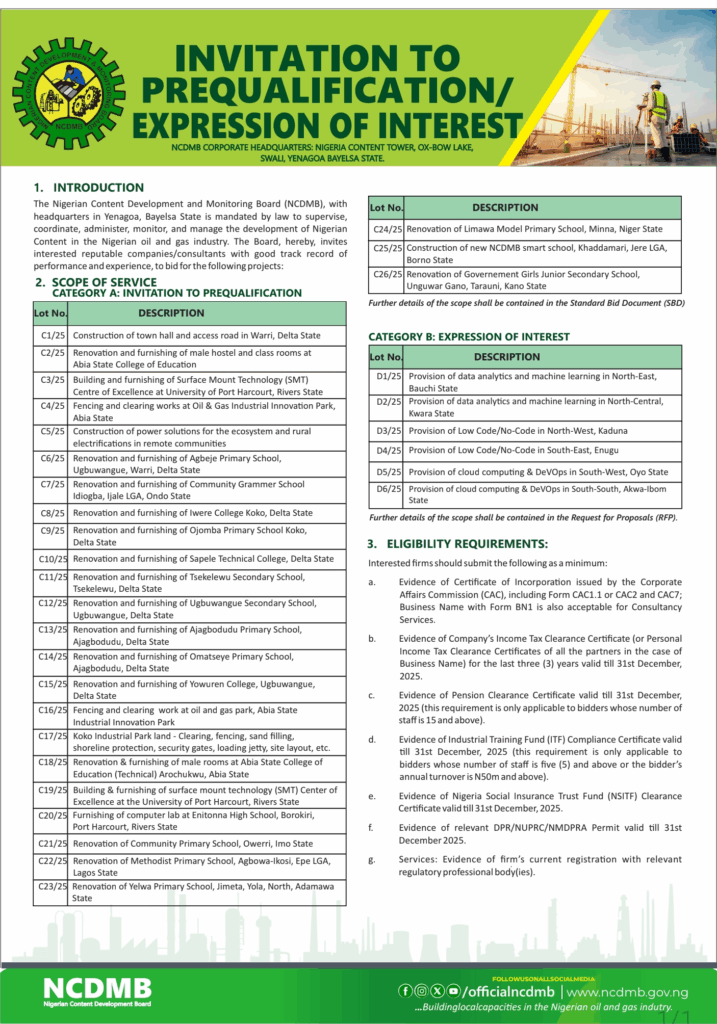
The legislation transformed the structure of the industry by compelling greater local participation in engineering, fabrication and service delivery. The Act gave birth to the Nigerian Content Development and Monitoring Board (NCDMB), which has since become one of Africa’s most successful models for resource value regulation and local content enforcement.
Through the NCDMB, billions of dollars in opportunities have been retained within the domestic economy, while indigenous companies have emerged as major players in sectors once dominated almost exclusively by foreign firms.
Alison-Madueke also facilitated the first wave of asset divestments by international oil companies in Nigeria’s upstream sector. Recognising changing investment patterns among multinationals, she created the policy environment that enabled indigenous firms to acquire producing assets and assume greater control over the nation’s hydrocarbon resources. That process fundamentally altered the ownership structure of Nigeria’s upstream industry and accelerated the emergence of strong indigenous operators.
Another notable achievement was her pursuit of refinery rehabilitation and refining capacity recovery. She initiated programmes aimed at restoring domestic refining capability and reducing dependence on imported petroleum products.
Industry observers argue that these efforts were frustrated by entrenched interests benefiting from the lucrative fuel importation system. Already running refinery revamp projects were terminated and abandoned by the subsequent Buhari administration of the federal government.
Thus, the refining recovery programme became one of several reforms stalled by powerful beneficiaries of the old order.
Diezani was also a driving force behind the Petroleum Industry Bill, seeking comprehensive reforms of Nigeria’s petroleum governance, fiscal and regulatory frameworks. Although the legislation encountered prolonged resistance and was only eventually enacted years after her departure, many observers acknowledge that the foundations of the eventual Petroleum Industry Act (PIA) were laid during her tenure.
Her administration pursued reforms in contracting procedures and strengthened transparency mechanisms within the defunct Nigerian National Petroleum Corporation (NNPC). She promoted accountability and efficiency, reflecting her insistence on procedural compliance. These efforts gave room for establishment of the Joint Qualification System (JQS) and the Nigerian Petroleum Exchange (NIPEX) in industry contracting process.
Mrs Diezani Alison-Madueke also championed deepwater exploration, frontier basin development, gas monetization projects and increased investment in the downstream sector.
One of the most contentious episodes of her tenure involved the settlement of the long-running dispute over OPL 245 between Malabu Oil and Gas on one side and Shell and Eni on the other. The resolution was intended to unlock one of Nigeria’s most significant deepwater assets and remove a source of prolonged uncertainty.
Rather than attracting commendation, the transaction generated allegations that became the subject of investigations and legal proceedings in Europe. Ultimately, courts in Italy and other jurisdictions dismissed criminal charges arising from the transaction, concluding that prosecutors had failed to establish wrongdoing.
To her supporters, the outcome reinforced their contention that decisions undertaken in pursuit of national interest often became politicised, misrepresented and transformed into landmines.
Diezani’s accomplishments extended beyond domestic policy. She strengthened Nigeria’s position within OPEC and in 2014 became the first woman elected President of the organisation.
She encouraged greater participation of women in the energy sector and mentored young female professionals, frequently drawing upon her experiences in navigating male-dominated environments.
Supporters contend that the breadth of these reforms inevitably generated powerful enemies among beneficiaries of longstanding inefficiencies and opaque arrangements. They argue that many of the attacks against her represented the backlash of entrenched interests threatened by efforts to modernise the sector.
Mrs Alison-Madueke herself maintained that she became a target because she challenged established structures and disrupted powerful networks.
Oracle Intelligence reports that there is little dispute that Diezani’s years in office marked one of the most dynamic periods of policy innovation in Nigeria’s petroleum history. And her fans point out that many of the projects and institutions conceived under her stewardship continue to shape the industry today.
They further argue that after her departure in 2015, the petroleum sector relapsed into declining production, persistent refining challenges, mounting investment uncertainties and policy inconsistencies. Since 2015, the Nigerian petroleum industry has recorded more corruption cases, and just recently, the National Assembly issued arrest order on the erstwhile boss of the NNPC Limited, Mallam Mele Kyari.
These industry adversities lead analysts to conclude that the industry has never fully regained the strategic momentum and ambitious reform drive that marked the era of Diezani
For those who hold that view, history may ultimately remember Diezani Alison-Madueke not solely through the prism of controversy, but as a pioneering corporate executive and reform-minded minister whose legacy remains deeply contested precisely because of the scale of the changes she sought to introduce into Nigeria’s most important industry.