Skip to content

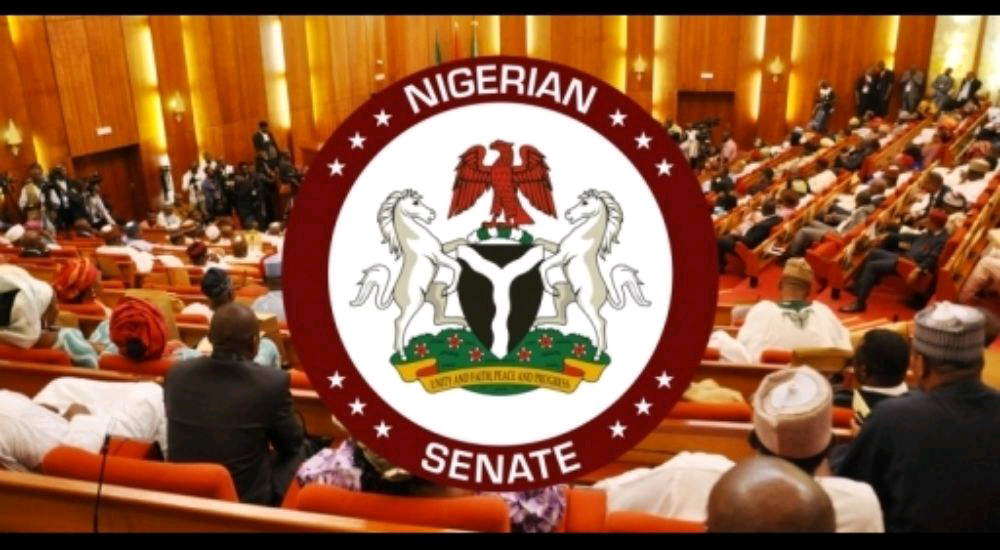
Senate passes bill to promote alternative financing options for MSME operators, trade

Senate, Wednesday, passed the Factoring, Assignment and Receivables Financing Bill 2026, aimed at improving access to finance, modernise commercial transactions and enhance Nigeria’s competitiveness in regional and global trade.
The bill is also designed to expand the framework of financing for operators in the Micro, Small and Medium-Scale Enterprises (MSMEs) sector, in addition to strengthening the country’s domestic and international trade.

The legislation further establishes legal and regulatory framework for debt factoring, a financing arrangement that enables businesses to convert unpaid invoices and credit sales into immediate cash, improving liquidity and working capital.
Leading debate on the bill, Senate Leader Opeyemi Bamidele said the measure would promote alternative financing options and create an enabling environment for businesses to thrive.
According to him, the bill provides clear rules governing factoring contracts between sellers and financiers, while defining the rights and obligations of all parties involved.
“The bill also seeks to create a regulatory framework that will facilitate alternative means of financing for domestic and international trade in Nigeria,” Bamidele said.
Chairman of the Senate Committee on Banking, Insurance and Other Financial Institutions, Senator Adetokunbo Abiru, described the legislation as a major boost for small businesses facing liquidity challenges.
Abiru said the proposed law would allow enterprises to convert credit sales into cash without relying on conventional bank loans.
“In simple terms, the bill provides a framework that will help MSMEs convert their credit sales into immediate cash and secure working capital,” Abiru said.
The lawmaker noted that factoring has become a major financing instrument across Africa, with the continent’s market exceeding $50 billion.
He, however, lamented that Nigeria accounts for less than one percent of the market.
Abiru said countries such as Egypt and Morocco had recorded significant gains from factoring, just as he expressed confidence that the legislation would help Nigerian businesses access much-needed liquidity.
During plenary, the Senate then considered the bill clause-by-clause in the Committee of the Whole before passing it.