Skip to content

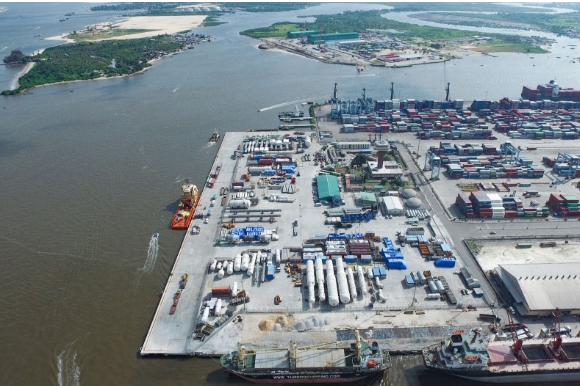

APM Terminals has pledged to invest $600 million in the modernization of Nigeria’s Apapa container terminal and surrounding logistics infrastructure, reinforcing its long-term commitment to the country’s maritime sector despite uncertainty surrounding the future of its operating concession.
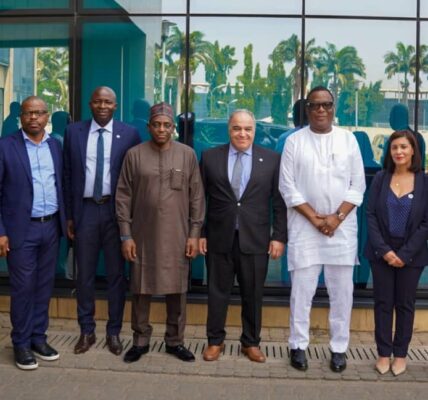
The investment commitment was disclosed during a meeting between representatives of the Danish-owned port operator and Bola Ahmed Tinubu on the sidelines of the Africa CEO Forum in Kigali. According to a statement issued by presidential spokesman Bayo Onanuga, the funds will support the modernization of the Lagos Port Complex, logistics infrastructure expansion, and broader private sector participation in Nigeria’s port operations.
APM Terminals’ Regional President for Africa-Europe, Igor van den Essen, described Nigeria as a critical hub for the company’s African operations, noting that the firm has maintained a presence in the country for more than two decades. The company currently handles roughly half of Nigeria’s containerized cargo through facilities in Apapa, Onne, and Kano.
The announcement marks the company’s largest publicly declared investment commitment in Nigeria since it secured the Apapa port concession in 2006 under a 25-year lease agreement scheduled to expire in 2031. APM says it has already invested more than $438 million in the terminal over the past two decades.
The fresh investment pledge comes at a critical period for Nigeria’s port sector as authorities continue reviewing several port concession agreements signed between 2005 and 2006. Questions surrounding concession renewals have remained unresolved, with lawmakers and regulators previously raising concerns over delays in reviewing expired and soon-to-expire terminal leases.
Apapa Port, once Nigeria’s dominant maritime gateway, has also faced increasing competition from the newer Lekki Deep Sea Port. According to figures released by the Nigerian Ports Authority, Apapa accounted for 16.7 per cent of the country’s cargo throughput in 2025, significantly behind Lekki Port, which handled 40.6 per cent during the same period.
Nigeria’s maritime sector has experienced strong growth in recent years, driven partly by rising trade volumes along the Far East-West Africa corridor. National container traffic reportedly increased by more than 25 per cent in 2025, while transshipment volumes surged sharply as regional shipping activity expanded.
The Federal Government has simultaneously embarked on broader efforts to rehabilitate critical port infrastructure. Authorities recently approved nearly $1 billion for the overhaul of Apapa and Tin Can Island ports, while securing a major export finance facility from the United Kingdom to support long-delayed modernization works.
Industry analysts say APM’s latest commitment reflects confidence in Nigeria’s long-term trade potential despite infrastructure bottlenecks, congestion challenges, and regulatory uncertainty. The company has continued expanding operations across Nigeria, including upgrades at the West Africa Container Terminal in Onne and investments in rail-linked cargo evacuation systems.
Although details regarding timelines, regulatory approvals, and implementation phases for the Apapa investment have not yet been disclosed, the announcement signals renewed competition and strategic positioning within Nigeria’s evolving port landscape as global operators seek to strengthen their foothold in West Africa’s largest economy.