Skip to content

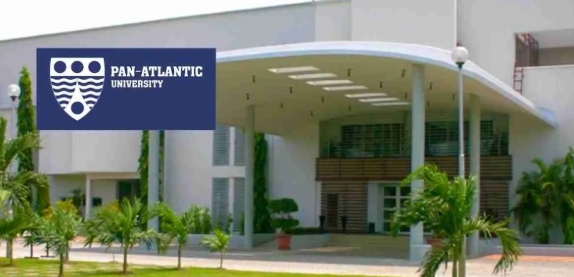
Pan-Atlantic University partners in EU-funded SYNAPSE programme for youth skills development
 Sopuruchi Onwuka Posted on
 Frank Okon
A new wave of international partnerships is placing Nigerian youth and creatives at the center of global innovation, with the launch of two major initiatives aimed at building skills, expanding opportunity and strengthening cross-border collaboration.
The SYNAPSE Virtual Exchange Project, a three-year programme co-funded by the European Union under Erasmus+, has been unveiled as a multi-country effort to connect young people across Europe and Africa in tackling some of the world’s most complex challenges. At the same time, a separate UK-backed funding initiative is targeting Nigeria’s fast-growing creative industries, underscoring a broader push to invest in skills, technology and youth-led growth.
Led by Università Telematica degli Studi IUL, SYNAPSE brings together partners from Italy, Spain, Nigeria, Kenya, Namibia, Ethiopia and Malawi, with the goal of reaching more than 2,500 young people, including women, rural youth and persons living with disabilities. The programme is designed to move beyond traditional dialogue by equipping participants with practical tools to address issues such as climate change, inequality and digital transformation.
Through structured virtual exchanges, participants will engage in cross-border collaboration, working in teams to develop solutions while building digital and intercultural competencies. The project also places a strong emphasis on systems thinking, an approach that encourages participants to understand how social, economic and environmental challenges are interconnected, rather than addressing them in isolation.
The initiative formally began with a two-day virtual kickoff meeting in March 2026, bringing together academic institutions, youth organisations and development partners to align on implementation. Alongside IUL, key partners include Pan-Atlantic University, The Technical University of Kenya and Universidad de Almería, among others.
Universities involved in the programme are working closely with youth networks and grassroots organisations to ensure local impact. Groups such as Not Too Young To Run and the Kenya Youth Climate Network are expected to play a role in expanding outreach and participation, particularly among underserved communities.
As the project moves into its next phase, recruitment of youth facilitators is expected to begin, offering participants the opportunity to take on leadership roles in shaping discussions and driving innovation across borders. Organisers say the initiative is intended to build a new generation of globally connected, systems-minded changemakers capable of translating ideas into practical solutions.
Running alongside this effort to build capacity is a targeted push to strengthen Nigeria’s creative economy. The launch of the UK-Nigeria Technology Hub Creative Fund introduces a new grants programme aimed at supporting the country’s film, fashion and music industries through digital innovation.
The fund focuses on improving technical capacity by supporting digital production, encouraging the adoption of creative technologies and promoting the responsible use of artificial intelligence. It aligns with the work of the UK-Nigeria Economic Transformation and Investment Partnership Creatives Working Group and forms part of broader commitments made during the March 2026 state visit of Bola Ahmed Tinubu to the United Kingdom.
Nigeria’s creative sector, already one of the largest in Africa, has been identified as a key driver of economic growth and job creation. However, industry players have long pointed to gaps in technical infrastructure, skills development and access to funding as barriers to scaling globally competitive output. The new fund is expected to address some of these challenges by enabling creatives to adopt advanced tools and production techniques.
Together, both initiatives reflect a growing recognition of the role young people and the creative economy will play in shaping future growth. While SYNAPSE focuses on building critical thinking, collaboration and problem-solving skills across borders, the UK-backed fund targets the practical tools and technologies needed to compete in a rapidly evolving global market.
For Nigeria, the convergence of these efforts signals a broader shift toward investing in human capital as a foundation for long-term development. By linking education, innovation and industry support, stakeholders are seeking to create pathways that not only empower individuals but also strengthen the country’s position in both the digital and creative economies.
As implementation begins, attention will turn to how effectively these programmes translate ambition into measurable outcomes—whether in the form of new ideas, scalable solutions or expanded opportunities for young Nigerians and creatives to participate in global markets.