Skip to content

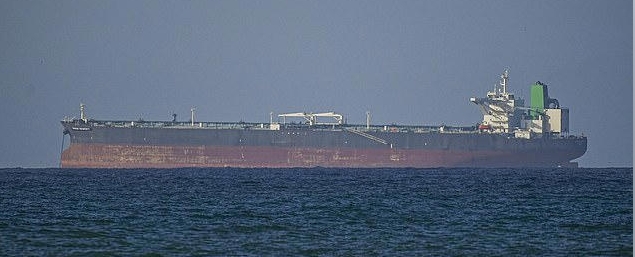
Oil chiefs demand Trump to reject Iran’s toll on Hormuz

Ziggy Ojiegbe
Senior oil industry executives have reportedly urged the administration of Donald Trump to oppose Iran’s proposal to impose tolls on vessels passing through the Strait of Hormuz, a critical global energy corridor.
According to U.S. media reports, executives from major oil companies raised their concerns with Marco Rubio and J.D. Vance. The issue was also discussed during a meeting with senior officials at the State Department on Wednesday.
Industry leaders warned that the proposed tolls could increase shipping costs by as much as $2.5 million per cargo, driven by higher insurance premiums and transit fees. These additional costs, they noted, would likely be passed on to consumers, further pressuring global energy prices.
Executives are also concerned about the broader implications. They fear that allowing such tolls could set a precedent for other strategic waterways, including the Strait of Malacca and the Bosporus, to introduce similar charges.
Another major risk is regulatory. Companies worry that making payments linked to Iran could expose them to potential violations of U.S. sanctions targeting Iranian entities and officials.
Despite these concerns, White House Press Secretary Karoline Leavitt said the administration is engaging with what she described as a “more reasonable” set of proposals from Iran, though she did not clarify whether toll charges remain part of the revised plan.
The White House has not provided further official comment.
The situation has become more complex amid reports that Iran may be considering alternative payment mechanisms, including cryptocurrency. Hamid Hosseini, a spokesperson for Iran’s Oil, Gas and Petrochemical Products Exporters’ Union, told the Financial Times that tighter monitoring of traffic through the strait is necessary to prevent the movement of weapons during the current period of heightened tensions.
Meanwhile, President Trump has suggested that there is significant economic opportunity tied to managing traffic through the waterway, indicating that the United States could play a role in easing congestion. He has previously floated the idea of joint U.S.-Iran oversight of the strait, including potential toll collection mechanisms.
However, imposing tolls in the Strait of Hormuz would challenge the long-standing principle of free navigation under the United Nations Convention on the Law of the Sea.
Industry concerns come against a backdrop of ongoing supply risks. Earlier this year, chief executives from major firms including Exxon Mobil, Chevron, and ConocoPhillips warned U.S. officials that prolonged disruption in the Strait of Hormuz could significantly worsen the global energy outlook.
The strait remains one of the world’s most critical oil transit routes, carrying nearly a fifth of global petroleum supply. Any policy shift affecting its operation could have far-reaching consequences for energy markets and global trade.