Donald Asha
Differences are widening between the United States and Israel over how to end their joint military campaign against Iran, even as both countries continue to coordinate closely on the battlefield.
Ad >>>

The two allies initially aligned on key objectives, including weakening Iran’s missile capabilities, targeting its military infrastructure, and curbing its nuclear program. However, officials and analysts say their broader goals are increasingly diverging as the conflict enters a critical stage.
Israeli leadership, under Prime Minister Benjamin Netanyahu, is pushing for a more far-reaching outcome. In addition to degrading Iran’s military strength, Israel is seeking to eliminate senior regime figures and create conditions that could destabilize the government in Tehran. Israeli officials have also emphasized the need to ensure Iran cannot rebuild its military capabilities in the long term.
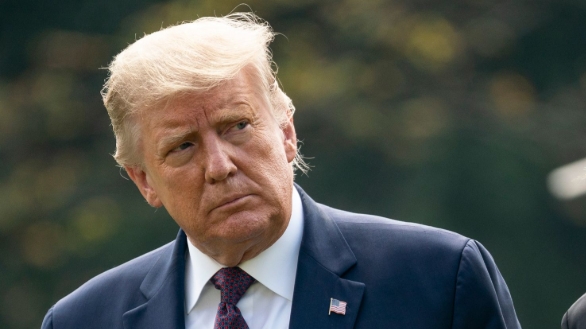
By contrast, U.S. President Donald Trump has signaled a greater willingness to pursue a negotiated settlement. While maintaining military pressure, the White House has focused on securing a deal that would dismantle key elements of Iran’s missile and nuclear programs without necessarily pursuing regime change.
The gap in strategy is becoming more visible as Washington explores the possibility of a ceasefire. U.S. officials have continued to push diplomatic efforts through intermediaries, despite Iran’s reported rejection of an initial proposal. At the same time, Israeli forces have intensified strikes on Iranian targets, reflecting concern that a premature agreement could leave core objectives unmet.
The divergence extends to military priorities. Israel has placed greater emphasis on targeting leadership and internal security structures, while the United States has focused more on broader military assets, including naval forces and fortified installations.
Despite these differences, coordination between the two countries remains strong. Joint operations have significantly degraded Iran’s defensive and offensive capabilities, according to officials familiar with the campaign.
Still, the question of how and when to end the conflict is emerging as a point of strain. Trump faces pressure to avoid a prolonged war and has indicated interest in a near-term resolution, while Netanyahu is under domestic pressure to secure a more decisive outcome.
With diplomacy and military operations now moving in parallel, the allies appear united in action but increasingly divided on what constitutes a successful end to the war.



 Skip to content