Skip to content

Iran opens Strait of Hormuz to non-American allies

Ziggy Ojiegbe
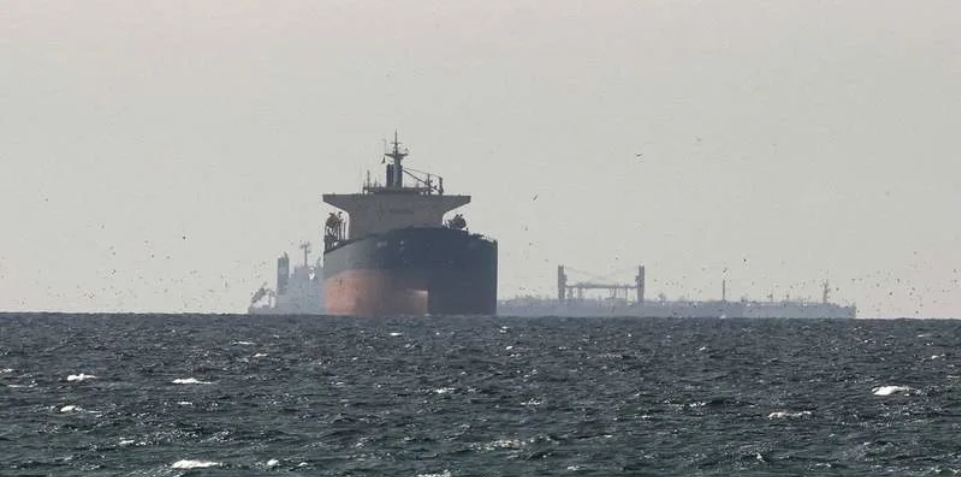
Iran’s foreign minister announced that the Strait of Hormuz remains open to all vessels except those of the United States and its allies. The statement comes after President Trump threatened to strike Iranian oil facilities.
Late Friday, the U.S. military reported targeting more than 90 military sites on Kharg Island, the main hub for Iran’s oil exports. President Trump claimed that all military targets were “totally obliterated” while leaving the oil infrastructure intact, warning that this could change if Iran does not reopen the strait to commercial shipping.
The Pentagon confirmed that six American service members died in a plane crash in western Iraq on Thursday, bringing the U.S. death toll in the conflict to 13.
Meanwhile, Israel reported that it carried out additional strikes across Iran, claiming more than 7,000 military operations since February 28.
Iran’s foreign minister emphasized that the strait is “open to everyone, except American ships and those of its allies.” In practice, this affects little, since U.S. allies like Saudi Arabia and Kuwait account for most non-Iranian oil traffic through the waterway.
The Islamic Revolutionary Guard Corps (IRGC) also warned the United Arab Emirates that American military positions in the country could be considered “legitimate targets.”
An Iran-backed militia attacked the U.S. Embassy in Baghdad late Friday, marking the second strike on the compound since the conflict began. Following the attack, the U.S. State Department ordered all Americans to leave Iraq immediately and evacuated nonessential staff and families from Oman after Iranian strikes in the region.
President Trump disputed a Wall Street Journal report that five U.S. refueling aircraft were damaged at Prince Sultan Air Base in Saudi Arabia, saying four are fully operational and the fifth sustained only minor damage.
The conflict has already affected civilian life: U.S. gas prices have risen to a national average of $3.70 per gallon, up more than 25% since the war began. Casualties continue to mount, with over 1,444 killed in Iran, 850 in Lebanon, and at least 12 in Israel.