Skip to content


Ziggy Ojiegbe
A new medication originally developed to treat the Human Immunodeficiency Virus is now being used to prevent infection among people at high risk, marking a significant shift in global HIV prevention efforts.

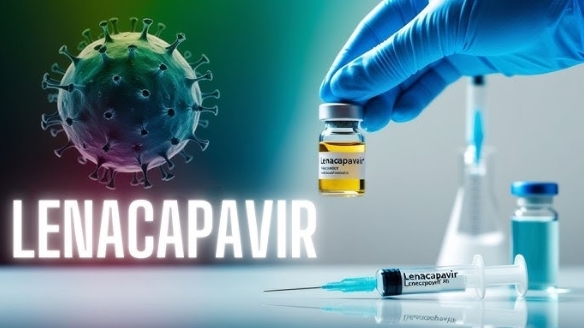
The World Health Organization said a drug known as Lenacapavir has proven to be both safe and highly effective in controlling HIV, the virus that causes Acquired Immunodeficiency Syndrome (AIDS).
Once widely regarded as a death sentence, HIV has become a manageable chronic condition for many patients thanks to advances in antiretroviral therapy. According to the WHO, annual AIDS-related deaths have fallen by about 70 percent over the past two decades.
In recent years, medications originally designed to treat HIV have increasingly been used to prevent infection in people who are at risk. This approach, known as pre-exposure prophylaxis (PrEP), has become a key part of global HIV prevention strategies.
Lenacapavir, approved last year for HIV prevention, represents a major breakthrough in this area.
WHO Director-General Tedros Adhanom Ghebreyesus described the drug as the most significant development in HIV prevention since the first antiretroviral treatments were introduced nearly 40 years ago.
Unlike earlier preventive medications that must be taken daily, lenacapavir is administered just once every six months to HIV-negative individuals who are at risk of infection.
Clinical trials have shown the drug can prevent nearly all new HIV infections among participants at high risk.
In October last year, the WHO granted “prequalification” to lenacapavir, a step that allows international health agencies and governments to procure the drug more easily for public health programs.
Since then, the WHO has supported the rollout of the medication in several countries heavily affected by HIV.
The countries currently introducing lenacapavir include Eswatini, Kenya, Lesotho, Mozambique, Nigeria, South Africa, Uganda, Zambia, and Zimbabwe.
Health experts say the twice-yearly injection could significantly expand access to HIV prevention, especially in regions where daily medication has proven difficult to maintain.