Skip to content
SNEPCO lays strategy for turning Nigeria’s petroleum risks to growth opportunities

Nigeria can transform the risks and structural complexities in its oil and gas industry into opportunities for growth and development if regulators and operators sustain collaboration in a transparent and predictable business environment, the Managing Director of Shell Nigeria Exploration and Production Company Limited, Ronald Adams, has said.
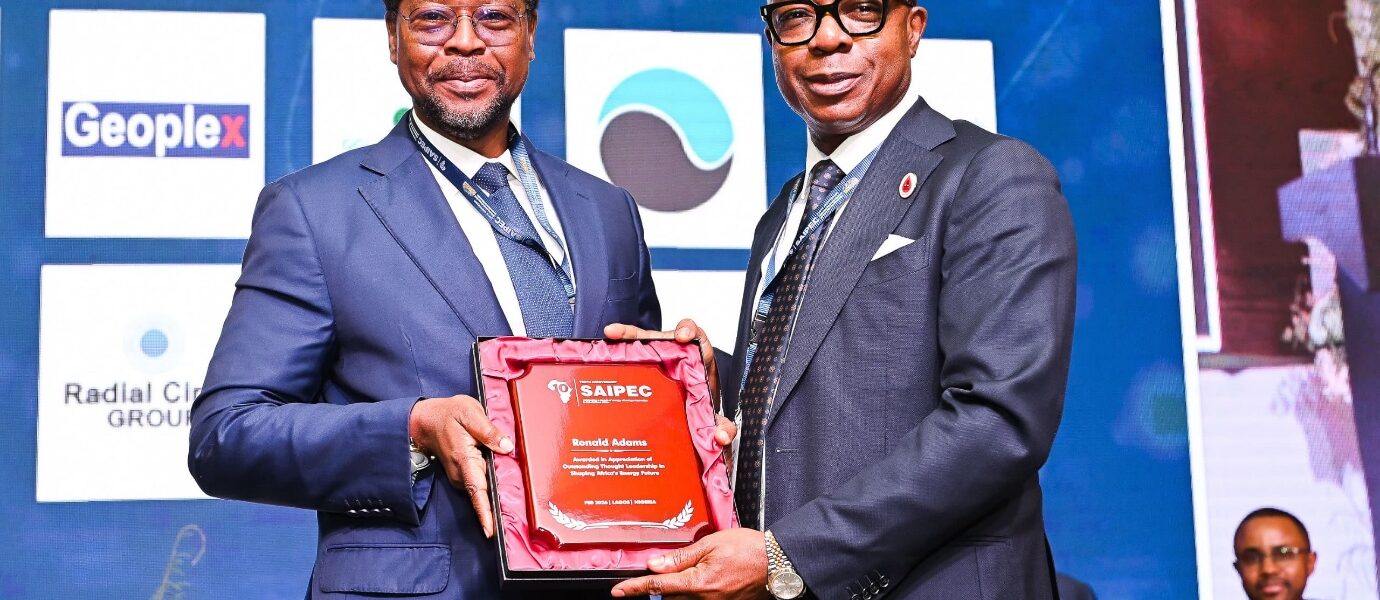
Adams’ remarks were delivered on his behalf at the 10th Sub-Saharan Africa International Petroleum Exhibition and Conference (SAIPEC) in Lagos during a panel session on de-risking investments in African oil and gas projects. He was represented by the company’s Finance Director, Tunde Oduwole.
According to Adams, Nigeria remains a viable investment destination despite the global shift in capital allocation and heightened scrutiny of energy projects. He described the country as a test case for how African nations can reduce investment risks and attract capital, stressing that long-term predictability in fiscal and regulatory frameworks is essential.
He noted that when governments maintain competitive and stable policies without sudden fiscal or regulatory changes, operators are better positioned to manage risks and commit long-term capital. In his view, regulatory discipline and transparency are not simply governance ideals but practical tools for unlocking funding for large-scale oil and gas developments.
Adams pointed to recent reforms in Nigeria’s energy sector and ongoing engagement between government, regulators, operators, and co-venturers as signs of progress. He said these efforts have helped reduce uncertainties and strengthen investor confidence, creating conditions that support major project approvals.
As evidence, he referenced the Final Investment Decision on the Bonga North project in 2024 and another approval the following year. These developments, he explained, demonstrate that when the investment climate is stable, capital will flow even in complex operating environments.
Adams also highlighted the long-standing performance of the Bonga field as proof that Nigeria’s deep-water assets can deliver sustained value. He attributed this to consistent safety leadership, disciplined maintenance practices, operational excellence, and ongoing investment in skilled personnel. Strong operational track records, he said, reinforce confidence among global investors assessing opportunities in the country’s offshore sector.
Beyond Nigeria, Adams suggested that the country’s experience offers lessons for the broader African energy landscape. He argued that oil and gas projects across the continent can compete globally when technical competence is matched with regulatory alignment and strong local content capacity.
He maintained that de-risking does not mean eliminating operational or geological challenges. Rather, it involves reducing avoidable uncertainties tied to policy inconsistency, contract instability, or abrupt fiscal shifts. When those uncertainties are addressed, projects become more bankable, timelines improve, and value creation becomes more sustainable.
For Nigeria, the stakes are significant. Sustained upstream investment supports crude production growth, strengthens foreign exchange earnings, generates employment, and boosts government revenue. In a global market where capital is increasingly selective, maintaining policy stability could determine whether Nigeria consolidates its position as a leading deep-water destination or loses ground to competing jurisdictions.
Adams’ message was clear. Nigeria has the resources, technical capability, and reform momentum to turn risk into opportunity. The task now is to preserve regulatory predictability and governance discipline so that investment confidence translates into long-term growth for the energy sector and the wider economy.