Skip to content

UNICEF warns of surge in AI-generated sexualized images of children

- 1.2 m children report sexualized deepfake of their images
Sopuruchi Onwuka
The UN Children’s Fund (UNICEF) has warned of a sharp rise in the use of artificial intelligence to create sexualized images of children, citing new evidence that shows widespread abuse and a lack of adequate laws to address the growing threat.

UNICEF said in a statement that at least 1.2 million children worldwide disclosed that their images had been manipulated into sexually explicit deepfakes in the past year. The figure emerged from a study conducted across 11 countries by UNICEF in partnership with INTERPOL and ECPAT, a global network working to end child sexual exploitation.
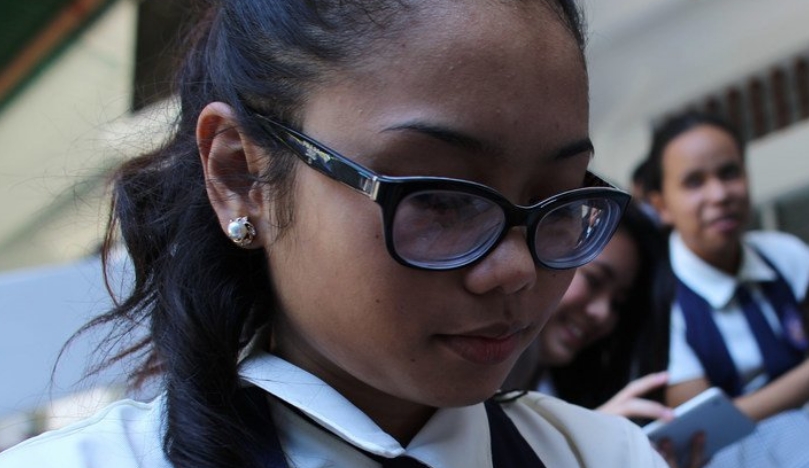
According to the study, the scale of abuse is such that in some countries, as many as one in every 25 children has been affected, roughly equivalent to one child in a typical classroom.
UNICEF described the trend as an urgent child protection crisis, warning that deepfake technology is increasingly being used to produce sexualised content involving children, including through so-called “nudification” tools that digitally remove or alter clothing in images to create fabricated nude or sexualised visuals.
“The harm from deepfake abuse is real and urgent,” UNICEF said. “Deepfake abuse is abuse, and there is nothing fake about the harm it causes. Children cannot wait for the law to catch up.”
The agency said that when a child’s image or identity is used to generate such material, the child is directly victimised. Even when no real child can be identified, UNICEF warned that AI-generated child sexual abuse material normalises exploitation, fuels demand for abusive content, and complicates efforts by law enforcement to identify and protect victims.
UNICEF acknowledged that some artificial intelligence developers have adopted “safety-by-design” approaches and introduced safeguards to prevent misuse of their systems, but said overall progress remains uneven. It noted that many AI models are still being developed without adequate protections, and risks are heightened when generative AI tools are integrated into social media platforms where manipulated images can spread rapidly.
The agency said children themselves are acutely aware of the dangers. In several of the countries surveyed, up to two-thirds of young people reported concerns that AI could be used to create fake sexual images or videos of them.
UNICEF said the threat is growing rapidly and requires urgent global action. In December, the agency issued updated Guidance on AI and Children, outlining policy recommendations to protect children’s rights in the digital age.
The organisation is now calling on governments to expand legal definitions of child sexual abuse material to include AI-generated content and to criminalise its creation, possession, procurement, and distribution. It also urged AI developers to embed robust safeguards into their systems and called on digital platforms to prevent the circulation of such material, not merely remove it after dissemination.
The warning comes amid broader concern across the United Nations system about the expanding risks posed by artificial intelligence to children, including online grooming, cyberbullying, sexual extortion, and exposure to harmful content.
Cosmas Zavazava, Director of the Telecommunication Development Bureau at the International Telecommunication Union (ITU), said predators are increasingly using AI tools to analyse children’s online behaviour, emotional states, and interests to tailor grooming strategies. He added that AI-generated fake images are also driving new forms of sexual extortion.
Data from the Childlight Global Child Safety Institute shows that technology-facilitated child abuse cases in the United States rose sharply from about 4,700 in 2023 to more than 67,000 in 2024.
In response to growing concerns, some governments have begun taking stronger regulatory measures. Australia became the first country to ban social media accounts for children under 16 in late 2025, citing evidence that most children aged 10 to 15 had been exposed to hateful, violent, or distressing content online. Several other countries, including the United Kingdom, France, Canada, and Malaysia, are considering similar restrictions.
At the start of 2026, a coalition of UN agencies published a Joint Statement on Artificial Intelligence and the Rights of the Child, warning of widespread AI illiteracy among children, parents, educators, and policymakers, and highlighting weak regulatory capacity in many countries.
The statement said most AI systems and tools are not designed with children’s rights and wellbeing in mind and called on governments, technology companies, and global institutions to strengthen AI governance, data protection, transparency, and accountability.
“Technology can be an enabler, but it can also destroy,” Zavazava said, stressing the need for collective responsibility. “With responsible deployment of AI, innovation and profitability can coexist with child protection.”
UN agencies involved in the statement said safeguarding children in the age of artificial intelligence is a human rights issue and urged urgent action to ensure AI systems serve the best interests and long-term development of children worldwide.