 Skip to content


Frank Okon
The World Health Organization (WHO) has urged governments to significantly raise taxes on sugary drinks and alcohol, warning that these beverages are too cheap and widely available in most parts of the world.

In a statement issued on Tuesday, the WHO said low prices and weak taxation are contributing to rising rates of obesity, diabetes, cancer, and injury. The call follows the release of two new reports showing that existing levies on sugary and alcoholic drinks remain insufficient to discourage excessive consumption in many regions.
“Health taxes have been shown to reduce consumption of these harmful products, helping to prevent disease and reduce the burden on health systems,” WHO Director-General Dr Tedros Adhanom Ghebreyesus said during a virtual briefing. “At the same time, they generate revenue that governments can invest in health, education, and social protection.”
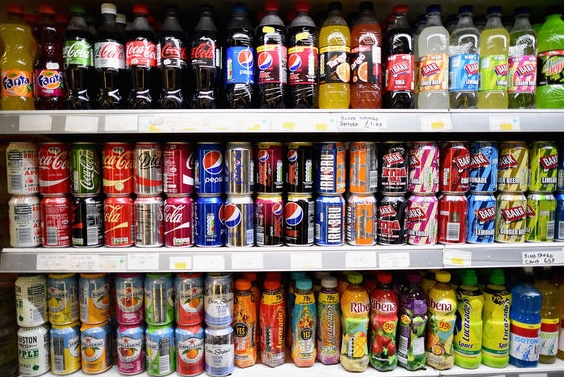
One report on sugar-sweetened beverages found that while at least 116 countries tax products such as sodas and carbonated drinks, many other high-sugar beverages remain untaxed. These include 100 percent fruit juices, sweetened milk drinks, and ready-to-drink coffees and teas.
The report on alcohol taxation showed that although 167 countries impose taxes on beer, wine, and spirits, alcohol has become more affordable in most countries since 2022. This, the WHO said, is largely because taxes are not regularly adjusted for inflation and income growth.
The organisation warned that regular consumption of sugary drinks is linked to higher risks of excess weight and obesity, type 2 diabetes, cardiovascular disease, dental caries, and osteoporosis. It also stressed that alcohol use increases risks to maternal and child health, contributes to both communicable and noncommunicable diseases, harms mental health, and raises the likelihood of injuries to drinkers and others.
According to the WHO, higher taxes on harmful beverages consistently lead to lower consumption.
Dr Tedros pointed to the United Kingdom as an example, noting that the introduction of a sugary drinks tax in 2018 led to reduced sugar intake, generated £338 million in revenue in 2024 alone, and contributed to lower obesity rates among girls aged 10 and 11, particularly in disadvantaged communities.
The WHO said it is calling on governments to raise and redesign health taxes as part of a broader initiative aimed at reducing tobacco use and the excessive consumption of alcohol and sugary drinks.


