 Skip to content

UN Report details mass killings, rapes at Sudan’s refugee camp

More than 1,000 civilians were killed during a three-day attack by Sudan’s Rapid Support Forces (RSF) on the Zamzam displacement camp in April, according to a report released Thursday by the UN Human Rights Office.
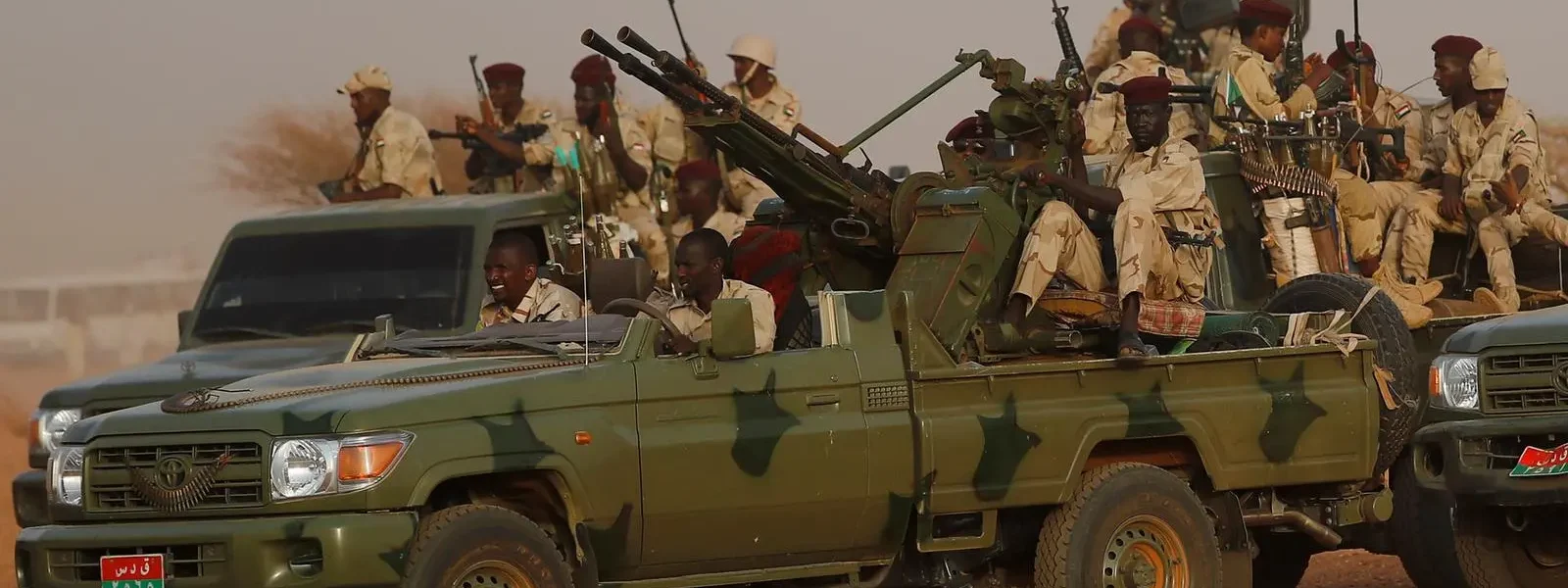
The paramilitary group stormed the camp as part of its siege of El-Fasher, the capital of North Darfur province. Zamzam was Sudan’s largest displacement camp, sheltering more than 500,000 people before the assault.

The report documents widespread atrocities, including mass executions, sexual violence, and sexual slavery. Victims were killed during house-to-house raids and in public spaces such as markets, schools, and health facilities. Survivors described patterns of rape and gang rape carried out during and after the attack.
The UN described the assault as “a consistent pattern of serious violations of international humanitarian law and gross abuses of international human rights law.” The findings follow similar conclusions by Amnesty International, which accused the RSF of war crimes in its attack on the camp.
According to the report, the RSF had blocked food and essential supplies from entering Zamzam for months before the assault, worsening already severe hunger conditions. The camp had experienced famine-level shortages even before the April violence.
Zamzam was established in 2004 to shelter civilians displaced by attacks carried out by the Janjaweed militia, the precursor to the RSF. Located just south of El-Fasher, the camp expanded over two decades to cover roughly 8 kilometres in length and 3 kilometres in width.
The RSF has been fighting Sudan’s military since April 2023 in a conflict that has killed at least 40,000 people, according to UN estimates, though rights groups say the toll is likely much higher. More than 14 million people have been displaced, creating what the UN describes as the world’s worst humanitarian crisis.
“The findings in this report are yet another stark reminder of the urgent need to end the cycles of atrocities and violence, and to ensure accountability and reparations for victims,” said UN High Commissioner for Human Rights Volker Türk.
Türk warned that the same patterns of abuse seen at Zamzam are now unfolding in El-Fasher, where the RSF has expanded its control.
“These horrific violations, committed with impunity, are consistent with what my office has repeatedly documented, including during the RSF takeover of El-Fasher in late October,” he said.
Separately, Sudan’s army chief, General Abdel Fattah al-Burhan, met Egyptian President Abdel-Fattah el-Sisi in Cairo on Thursday as international pressure mounts to end the war.
The meeting followed Burhan’s visit to Riyadh earlier this week for talks with Saudi officials. US envoy Massad Boulos was also in Riyadh and met with Saudi leaders, though no public confirmation was made of a meeting with Burhan.
Boulos said on X that the United States and Saudi Arabia had agreed on practical steps toward a humanitarian truce, expanded aid access, and longer-term stability for Sudan. Both countries are part of the Quad mediation group alongside Egypt and the United Arab Emirates.
Burhan has previously rejected ceasefire proposals, including one in November that he described as unacceptable and biased.
In a statement after Thursday’s meeting, Egypt reaffirmed its support for Sudan’s unity and rejected the establishment of parallel governing bodies. The RSF announced a rival administration, the Tasis Alliance, in July.
The Egyptian presidency said there were “red lines” regarding Sudan’s territorial integrity and warned it reserved the right to take all measures permitted under international law and a joint defence agreement between the two countries.
Fighting is now largely concentrated in southern Sudan, particularly in the oil-rich Kordofan states.



