Skip to content


Million barrels mandate: Verheijen demands streamlined project economics, delivery speed

Sopuruchi Onwuka
Special Adviser to the President on Energy, Mrs. Olu Arowolo Verheijen, has called for deeper collaboration, data driven regulation and faster project execution to sustain Nigeria’s momentum in upstream investments towards realization of rapid oil and gas production growth.
Mrs. Verheijen who delivered the charge at the Practical Nigerian Content (PNC) Forum held at the Nigerian Content Tower in Yenagoa, Bayelsa State, said efficient project delivery is now central to President Bola Ahmed Tinubu’s reform agenda.
Oracle Intelligence reports that the PNC is hosted by the Nigerian Content Development and Monitoring Board (NCDMB) and produced by the Nigerian arm of the DMG Events group. The annual conference provides platforms for policy and program strategies in harnessing local capacity for realization of government’s prime economic aspirations in the petroleum industry.
Mrs. Verheijen who delivered a keynote address at the opening ceremony at the event stressed that Nigeria must continuously improve project economics, strengthen investor confidence and remove bottlenecks that slow down development in the oil and gas sector.
According to her, the local content regulations must function as enablers of speed, clarity and competitiveness rather than as barriers.
“Local content was never meant to be an end in itself. It is intended to help Nigeria deliver projects at scale, on schedule and at competitive cost,” she said.
Mrs. Verheijen highlighted the significance of Presidential Directives 41 and 42, issued in February 2024, which focus on tightening compliance, eliminating intermediaries, reducing contracting costs and timelines and improving the ease of doing business in the petroleum sector.
According to her, these reforms have helped Nigeria secure three of the four major Final Investment Decisions (FIDs) recorded in Africa in 2024, placing the country in the top quartile among 14 global oil and gas jurisdictions.
She emphasized that streamlined project delivery requires collective effort across government, operators, financiers and host communities. She explained that the government adopted a data driven process in crafting the Directives, ensuring local content requirements support competitiveness while eliminating rent seeking.
“Our mandate is to empower Nigerian talent, grow indigenous enterprise and strengthen national competitiveness,” she said.
Mrs. Verheijen also pointed to the progress recorded since the enactment of the NOGICD Act in 2010, with in-country value retention rising from five percent to 56 percent and the share of Nigerian owned marine vessels increasing from less than 10 percent to almost 50 percent.
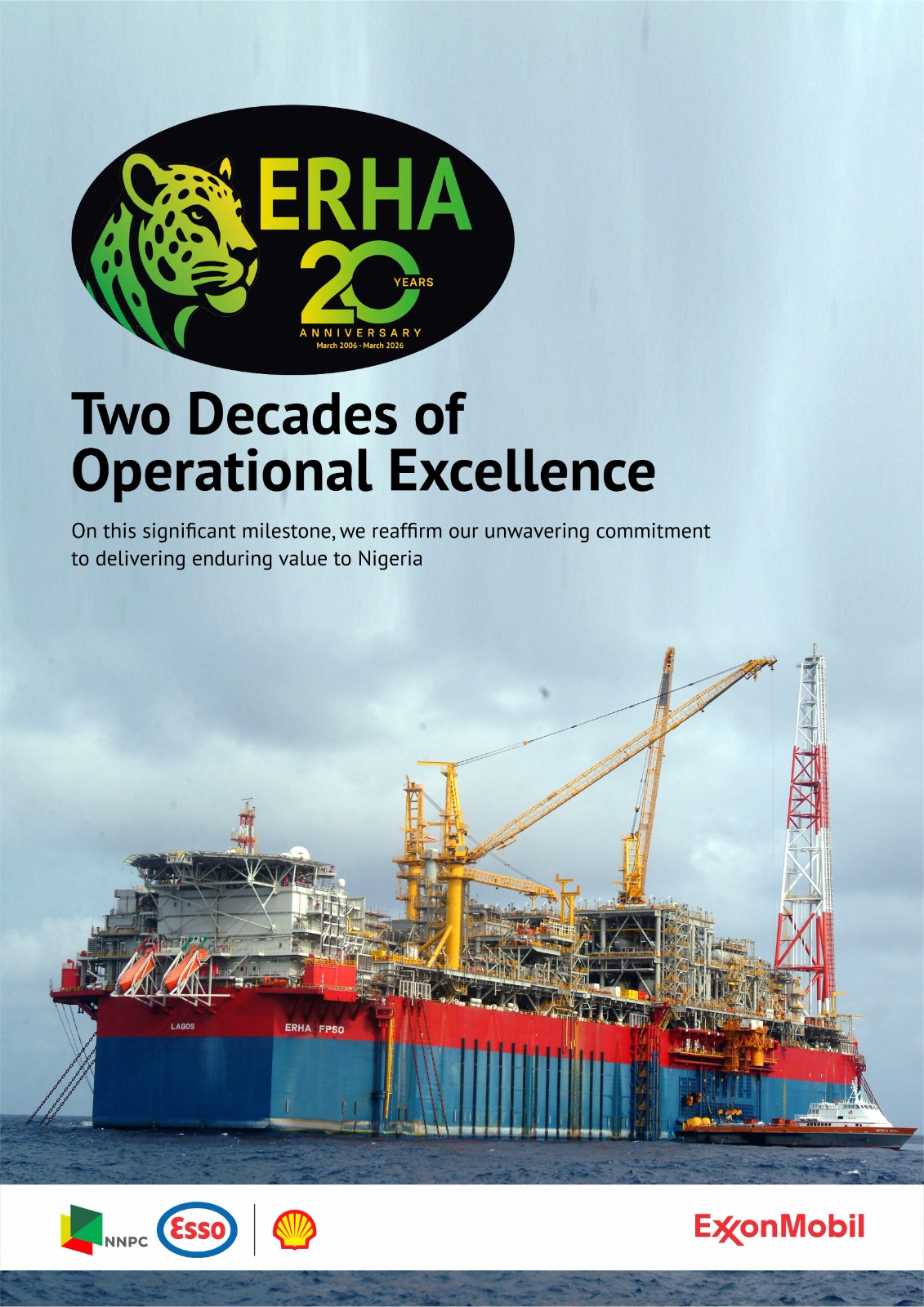
She cited the Egina FPSO, NLNG Train 7 and the Nigerian Oil and Gas Parks Scheme as examples of how local content can drive industrial development and job creation.
With Nigeria entering a new cycle of upstream investments — including TotalEnergies’ Ubeta gas project, Shell’s Bonga North development and Shell’s HI gas project — Mrs. Verheijen said this is the moment to strengthen local content as a catalyst for timely and efficient project delivery.
She reiterated Nigeria’s production targets of three million barrels of oil per day and 10 billion standard cubic feet of gas per day by 2030, adding that regulators must act as enablers, financing models must become more innovative, and the Nigerian Content Intervention Fund must expand its impact.
According to her, Nigeria’s energy security is stronger today than at any point in recent years. “Now is the moment to consolidate the progress made over the last 30 months. We are laying the foundation for a new era of industrialization, energy expansion and shared prosperity,” she said.