 Skip to content

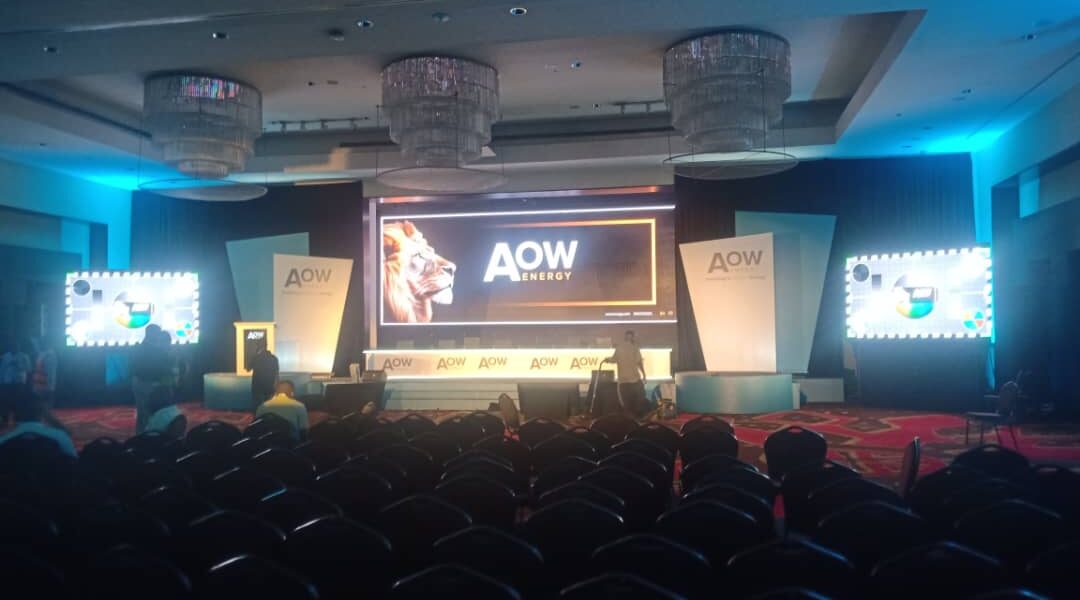
Ghanaian govt sets industrial development agenda for energy industry

- AOW 2025 delegated task governments on clear, stable policies
Sopuruchi Onwuka
Ghana has outlined an ambitious plan to harness its natural resources responsibly to achieve energy security, drive industrialization, and position itself as a leader in Africa’s economic transformation.

The resolution forms one of the key policy outcomes penned by Deloitte from tons of presentations delivered at the 2025 Africa Oil Week (AOW) in Accra, where delegates urged African governments to prioritize policy stability, regulatory clarity, and stronger regional collaboration to unlock the continent’s vast energy potential.
President John Mahama had in a policy paper while declaring the event open said the country is determined to use its energy potential as a foundation for sustainable development and regional progress.
Oracle Intelligence reports that Ghana’s participation in the event, hosted in West Africa for the first time, reflects its growing influence in shaping the continent’s energy future.
According to the President Mahama, energy lies at the heart of Ghana’s economic agenda. A reliable and affordable energy supply, it said, will power industries, strengthen local enterprises, and create opportunities for inclusive growth.
He outlined his administration’s vision for a 24-hour economy aims to ensure that businesses and communities can operate around the clock, boosting productivity, creating jobs, and enhancing economic resilience.
“Energy is the backbone of transformation,” the president said in a statement. “By managing our natural resources efficiently and sustainably, we can guarantee energy security that fuels industrialization, supports local businesses, and cements Ghana’s position as a driving force in Africa’s economic revolution.”
Ghana’s strategy focuses on attracting investment, building partnerships, and advancing energy technologies that align with the global shift toward cleaner, more sustainable power. The government emphasized that responsible resource development will be key to balancing economic growth with environmental stewardship.
Throughout the Africa Oil Week, Ghanaian officials are engaging with industry leaders, investors, and policymakers to define a roadmap for regional cooperation and shared prosperity. The event provides a platform for dialogue on how Africa can leverage its abundant resources to achieve energy self-sufficiency and long-term economic stability.
Ghana reaffirmed its commitment to working with all stakeholders to transform the continent’s energy landscape, ensuring that Africa’s natural wealth translates into tangible benefits for its people.
Oracle Intelligence reports that delegates at the conference tasked African governments to harmonize their energy development programmes to foster policy stability, regional collaboration.
At several strategy and debate sessions during the event, which was hosted in Accra, delegates argued that governments must create an environment that is stable, transparent, and predictable for Africa to attract global investments.
“Investors commit where there is confidence and clarity.”
Whereas delegates acknowledged that challenges vary from country to country, they maintained that successful case studies across the continent demonstrate that clear governance, alignment of fiscal policies, and institutional strength are essential ingredients for progress.
According to executive summary produced by Deloitte, the conference called on African governments to establish durable and predictable regulatory environments to boost investor confidence; ensure alignment of fiscal and regulatory frameworks across African markets; and deepen regional integration and inter-country collaboration for shared growth.
They also required policy drivers and regulators in the continent to foster stronger partnerships between governments, investors, and local communities; and also uphold transparency and institutional accountability throughout the energy value chain.
The 2025 Africa Oil Week concluded with a unified message: Africa’s path to energy security and prosperity lies in collaboration, coherence, and collective action.
The call came as industry leaders and policymakers agreed that a predictable investment environment and cross-border cooperation are critical to sustaining growth in the oil and gas sector
Held for the first time in West Africa, with Ghana as host, the week-long event brought together more than 300 senior executives and 50 government officials from across the continent. The theme, “Inter-Regional Collaboration for Value Creation,” reflected a shared understanding that Africa’s energy future depends on working together rather than competing in isolation.
Throughout the discussions, delegates emphasized that while African countries are at different stages of development, the opportunities remain significant. However, they noted that challenges such as weak infrastructure, inconsistent fiscal regimes, and policy uncertainty continue to hinder progress. Speakers stressed that investors are drawn to markets where rules are clear, regulations are consistent, and institutions are strong.
There was also a consensus that aligning fiscal and regulatory frameworks across the continent would promote transparency, build investor confidence, and attract long-term capital. Delegates called for closer partnerships among governments, private investors, and local communities to ensure shared value creation.
As the symposium closed, the message was clear: Africa’s ability to achieve energy security and sustainable growth depends on collaboration, coherence, and commitment from all players across the energy value chain.


