Skip to content



- Why petroleum industry cannot help
Sopuruchi Onwuka
It is taking the International Monetary Fund (IMF) to remind the Nigerian fiscal planners that the country’s financial propositions for 2025 are no longer tenable after the petroleum industry and the Nigerian National Petroleum Company (NNPC) Limited fail to meet targets on oil output volumes and cash returns respectively.
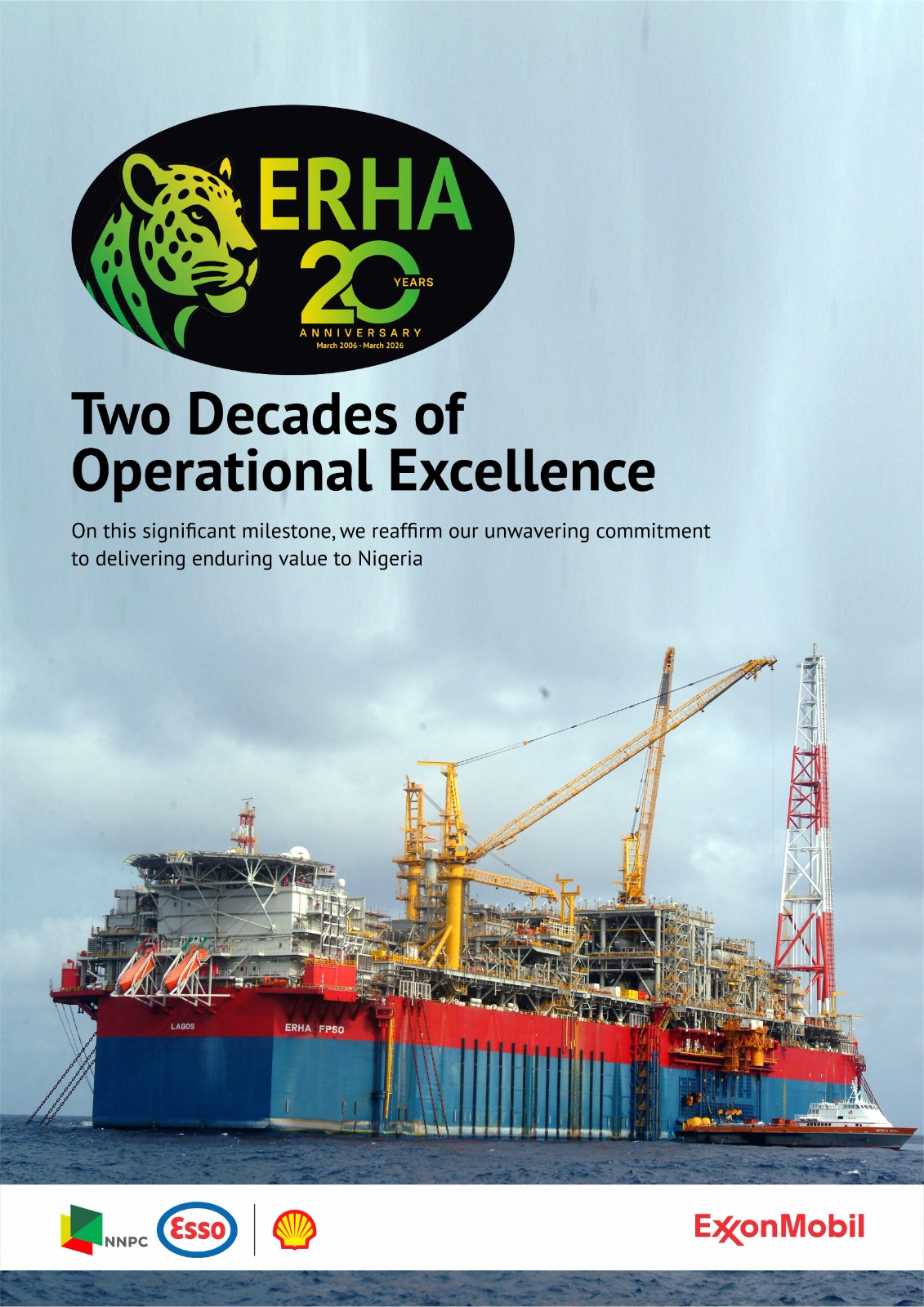
Nigeria’s 2025 budget is premised on crude oil production target of 2.06 million barrels per day (mbd) and benchmark price of $75 per barrel; but the projections for revenue ignored significant challenges that posed threat to realization of the economic objectives of the plan.
The N49.74 trillion “Budget of Restoration: Securing Peace, Rebuilding Prosperity,” was sold to Nigerians as viable solution to the country’s economic conditions currently reflecting in persistent inflationary pressures, exchange rate volatilities and fiscal constraints. The budget was described as offering comprehensive framework to address fiscal imbalances, stimulate growth, and improve the livelihoods of its citizens.
The budget is upbeat with exchange rate of ₦1500/$1 expected to result from exchange rate unification. Inflation is also expected to drop to 15.75% from the alarming 34.6% recorded in 2024.
Thus, Federal Inland Revenue Service (FIRS), Nigerian Customs Service (NCS), and Nigerian National Petroleum Company (NNPC) Limited are expected to lead efforts towards achieving the revenue target for 2025.
In building the 2025 budget, however, it appears that the nation’s fiscal planners had drawn hasty pattern from surpluses recorded in preceding 2024 budget which was adjusted midway by N6.2 trillion from initial N28.7 trillion to eventual N35.05 trillion.
Planners ignored glaring revenue shortfalls in the 2024 budget attributed to declining oil output. Revenue contributions from NNPC’s in 2024 had lagged due to lower-than-expected oil production and revenue leakages, according to official sources.
And with oil revenues expected to contribute 56% of government income in 2025, it becomes imperative, right from the beginning, that data-driven decision-making is required to address internal fiscal challenges and foster sustainable growth.
The Oracle reports that the petroleum industry has been unable to meet President Bola Tinubu’s mandate to match up the country’s crude oil production target of 2.06 million barrels per day. And the oil price for Nigeria’s reference crude oil which is benchmarked against the Brent crude grade has also been unable to stabilize at or above $75 per barrel.
Whereas the international crude prices would be dictated by market forces that operate outside the control of the domestic government, President Bola Tinubu and his industry aides have been relentless in churning out series of executive orders and restructuring the management of NNPC Limited to reposition the industry for greater efficiency.

From tax incentives to speedy processes, the president has been putting the spur on the industry to effectively ramp up production by about a million barrels per day in the immediate term. If mandate materialized, Nigeria’s oil production would hit 2.5 mbd and address fiscal gaps in the budget.
But the current situation indicated right from the beginning when petroleum industry pundits pointed out at the Nigerian International Energy Summit (NIES) in February that the task of rapidly building production to catch up with the budget estimates would be difficult to deliver under the prevailing operating conditions.
The industry players had at various panel debates at the conference stressed that there was still a lot of work to be done on above ground challenges that confront operators in the Niger Delta: from community crisis, crude oil stealing, vandalism on industry infrastructure to safety and security concerns.
While the incentives reflect optimism, pundits insist that unresolved security issues, global economic uncertainties, inflationary pressures and low investments could undermine oil industry’s interventions in aligning projections with achievable outcomes.
Dr Phillip Mshelbila who is the Managing Director of Africa’s leading gas liquefaction and export, the Nigeria Liquefied Natural Gas (NLNG) Limited, had decried high rate of pipeline vandalism as responsible for the high capacity redundancy at the company’s plants.
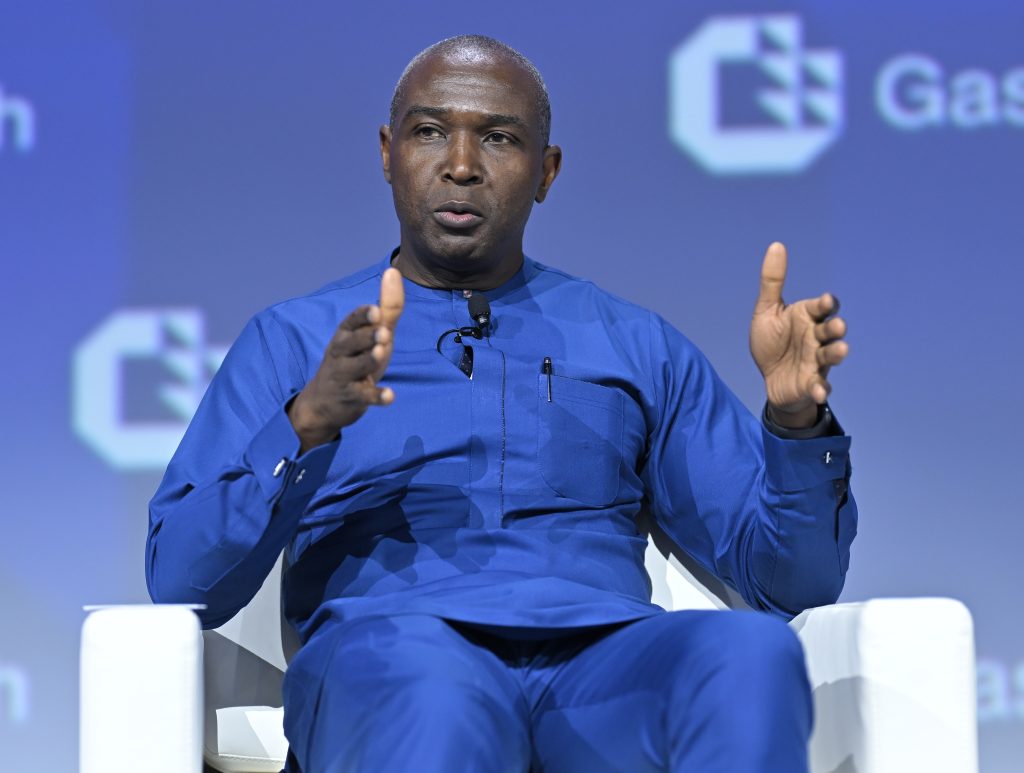
The Oracle reports that the NLNG leads realization of government’s gross economic aspiration in the petroleum industry. The company runs on international efficiency standards with full indigenous management, accounting for about half of total cooking gas supplies in the country, leading feed into local virtual LNG pipeline systems and making the highest annual payments to government in terms of taxes, dividends and upstream gas purchases.
The NLNG also intervenes in nation’s infrastructure and social service facilities development by devoting unmatched budgets for corporate social responsibility projects. The most outstanding of them is the highly challenging Bonny-Bodo road which would form the only land connection from Island town of Bonny in Rivers State to the rest of the country for the first time.
Dr Mshelbila’s outcry over the impact of security issues in the operating environment on operations of the NLNG amplified the reason for reluctance of players to stake new investments in vulnerable onshore locations in the country. It also explains the dwindling capacity of the industry in delivering urgent mandates from the government.
The oracle reports that the upstream petroleum industry activities account for Nigeria’s oil and gas production and associated fiscal support to the economy. Petroleum export also accounts for over 90 percent of Nigeria’s foreign exchange revenue, some 95 percent of the country’s total exports and proportionate percentage of the nation’s balance of payments.
Thus, government’s annual budgets are predicated on the production numbers from the upstream oil and gas industry. And the 2025 budget is premised on the flawed assumption that the generous fiscal and policy incentives churned out under the president’s executive orders would trigger raid boost in output.
At several industry debates on operating strategies, Managing Director of Aradel Holdings, Gbite Falade, has consistently pointed out that the persistent operating issues have revolved around above around issues like pipeline vandalism, oil theft, and declining investments.
Falade insists that these constraints hamstring operating efficiency, cause frequent downtimes, escalate costs, limit capacity and jeopardize the nation’s overall fiscal sustainability.

With government’s mandate of 2.06 mbd as the goal for the year, the Nigeria Upstream Petroleum Regulatory Commission (NUPRC), declared last week in Abuja that production just reached 1.75 million barrels per day. With figure released by Engr Gbenga Komolafe, boosting production by additional 250,000 barrels per day (250kbd) before the end of the year is still feasible but would no longer fill any gaps in the 2025 budget.

Chairman of Oida Energy Group, Egr Emeka Ene, explains that petroleum contributions in full realization of the 2025 fiscal plan entails average daily production of 2.06 mbd, and not a target to reach that feat by end of the year.

On the failure of the oil market to honour Nigeria’s fiscal wishes for the year, it seems readable that government’s fiscal planners had also relied on misleading assumption that the prevailing Ukraine war and associated sanctions on Russian oil and gas trade would tighten supplies and spur price escalation above the $75/barrel mark.
Unfortunately, it followed that fierce trade diplomacy which accompanied President Donald Trump to the helms of United States government, in addition to widening alignment between NATO nations and the Russian military bloc, has since created alignments that open new market shares for Russian oil even at discounted prices. Countries like China and India now form new destinations for Russian oil exports, forcing other OPEC+ exporters to loosen the taps and water down prices in new race for market shares.
Checks on market indicators by The Oracle showed that flow of cheap Russian oil to world’s biggest importers like China and India has maintained strong pull on prices even as Arabian producers lock in output battle to drown American high cost shale production.
The short term Iran war with Israel also eased market sentiments as the Israeli strikes carefully avoided Iran’s oil installations. The overall impacts on the market are stability of supplies and pull on prices.
Thus, Nigeria has been unable to achieve the fiscal aspiration from either production boost at oilfields or meet project cash returns from the oil market. And the situation is unlikely to change or translate to any imminent cash windfall that could plug Nigeria’s fiscal gaps.
Head of IMF’s mission for Nigeria, Axel Schimmelpfennig, stated that “the international economic environment that Nigeria lives in and operates in is marked by the very, very large uncertainty, and in particular, international oil price volatility impacts Nigeria directly through the fiscal and the external balances as well as inflation.”
Therefore a midyear fiscal review based on operations and market realities appears most necessary to adjust the country’s budget from whimsical expectations to data based projections. But as usual with the political leadership, the traditional option which is likely to enjoy favorable consideration is to mortgage the future by embarking on crude-backed borrowing.