Skip to content



Sopuruchi Onwuka, with agency reports
The prevailing security crisis rocking the Middle East and affecting passage of the international merchant navy has continued to push up spot rates across multiple shipping segments, accord reports that quoted traders.
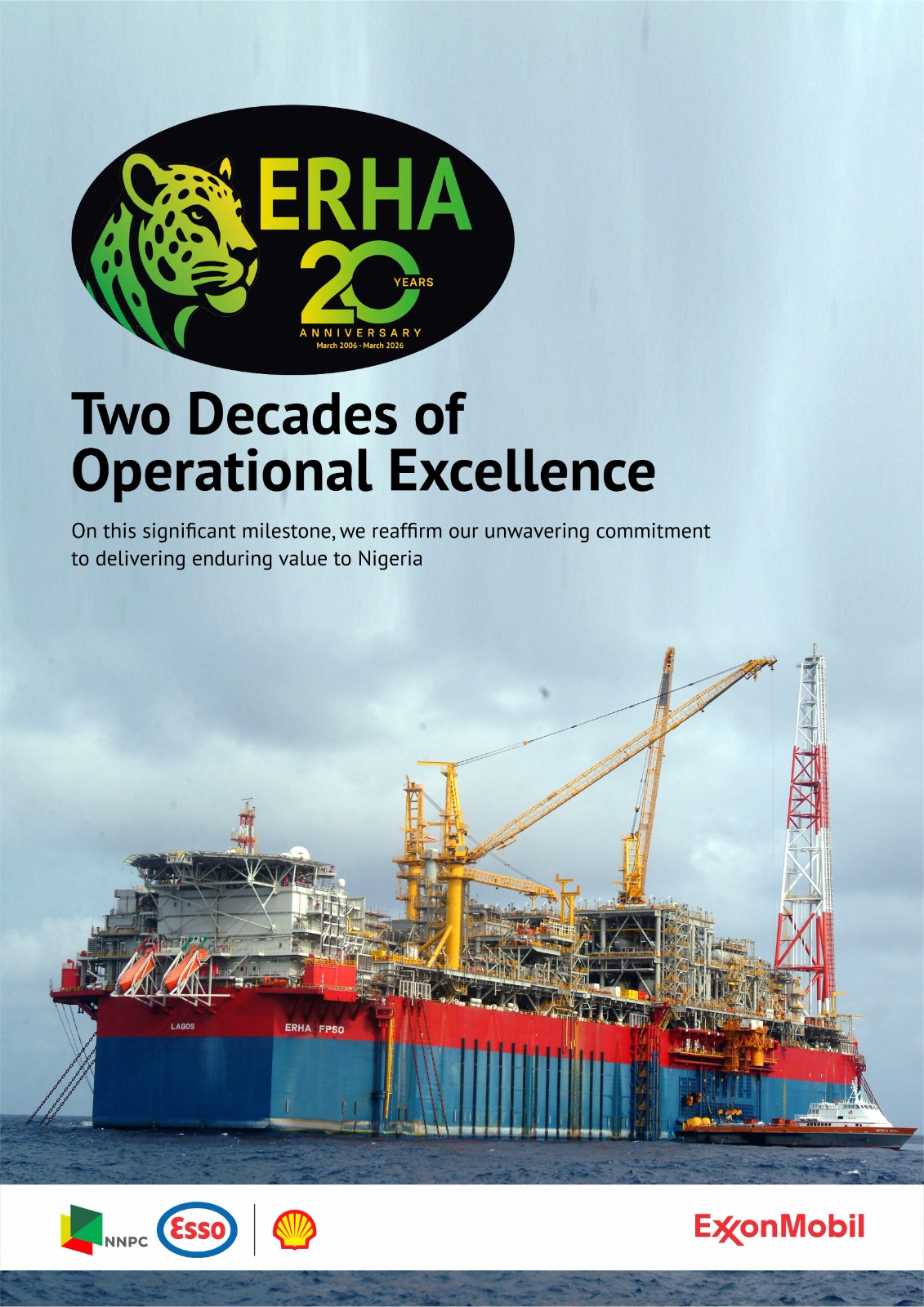
The Oracle Today reports that fleets of ships avoiding crossfire between Yemeni Houthi rebels and US led international forces in the Red Sea now navigate around Africa’s Cape of Good Hope and pushing up Freight rate of mainly container ships.
Shipping sources also stated that increasing number of ocean going tankers laden with petroleum and other liquid products are also diverting from the crucial Middle Eastern canals for a long haul sail to deliver petrol, diesel, jet fuel, naphtha and other petroleum products across continents.
Larger product tankers that do long-haul runs are diverting around Africa in increasing numbers. These ship types include LR1s (with capacity of 55,000-79,999 deadweight tons or DWT) and LR2s (80,000-119,000 DWT), according to reports reviewed by The Oracle Today on Friday.
The cost build up as ships sail longer translate to higher cost products as east-to-west diesel flow through the Red Sea and Suez Canal halt. The situation is worsened by rerouting of vessels around Africa.
“Longer voyages as more tankers bypass the important Red Sea/Suez Canal chokepoint will further add to ton-miles [volume multiplied by distance], potentially causing vast disruption to trade routes and adding more potential upside to spot rates that are already supported by strong fleet utilization,” an analyst at Evercore told agency sources.
Container ships and tankers, it was gathered, avoid the popular Suez Canal during the first half of February. This translates to delayed and costlier middle-distillate arrivals from the Middle East Gulf and India to Europe in the period.
Sources said that consumers in Europe currently brace for significant stock draws or the need for replacement cargoes during the period of expected shortages.
“So far, we have seen an increase in diesel imports from the U.S., which have reached 350,000-400,000 b/d so far in January versus 100,000-200,000 b/d last year,” a trading analyst stated.
Spot rates for modern-built (2015 or later) LR2s averaged $84,800 per day on Wednesday, up 132% year on year (y/y), according to data from Clarksons.
LR2 rate gains are being led by the Middle East Gulf-Europe route — the trade directly affected by Houthi attacks in the Red Sea — with modern-built LR2 spot rates on this route now averaging $92,100 per day.
“Product tanker rates have continued to gap up,” said Jefferies analyst Omar Nokta on Wednesday. “LR2s in particular have broken out. With the vessels fixed to the European market most likely to divert around the Cape of Good Hope, many of these will be laden for longer and lead to an even tighter balance in the coming weeks.
“Current LR2 earnings are approaching highs seen during this cycle,” said Nokta, noting that they are just below average highs of $90,000 per day briefly reached in December 2022.
Rates for modern-built LR1s averaged $61,600 per day on Wednesday, according to Clarksons, double rates a year ago. The Red Sea situation is “providing a catalyst for the spike in [LR1] rates,” said ship brokerage BRS on Monday.
Rates for modern-built MRs were at $45,600 per day, up 84% y/y, according to Clarksons.
BRS noted that the Red Sea restrictions for LR tankers “lift MR utilization … as Asia and Europe turn to short-haul trades to cover up for their shortfall in longer-haul arbitrage inflows.”
The Red Sea crisis has pushed up stocks of U.S.-listed product tanker owners, yet these equities have not risen to the same extent as freight rates.