 Skip to content

NLNG targets Q4 2027 Train 7 commissioning as gas squeeze limits output

Nigeria LNG Limited (NLNG) is targeting the commissioning of its long-delayed Train 7 liquefaction project by the fourth quarter of 2027, even as persistent gas supply constraints prevent the company from fully exploiting stronger demand for liquefied natural gas (LNG).
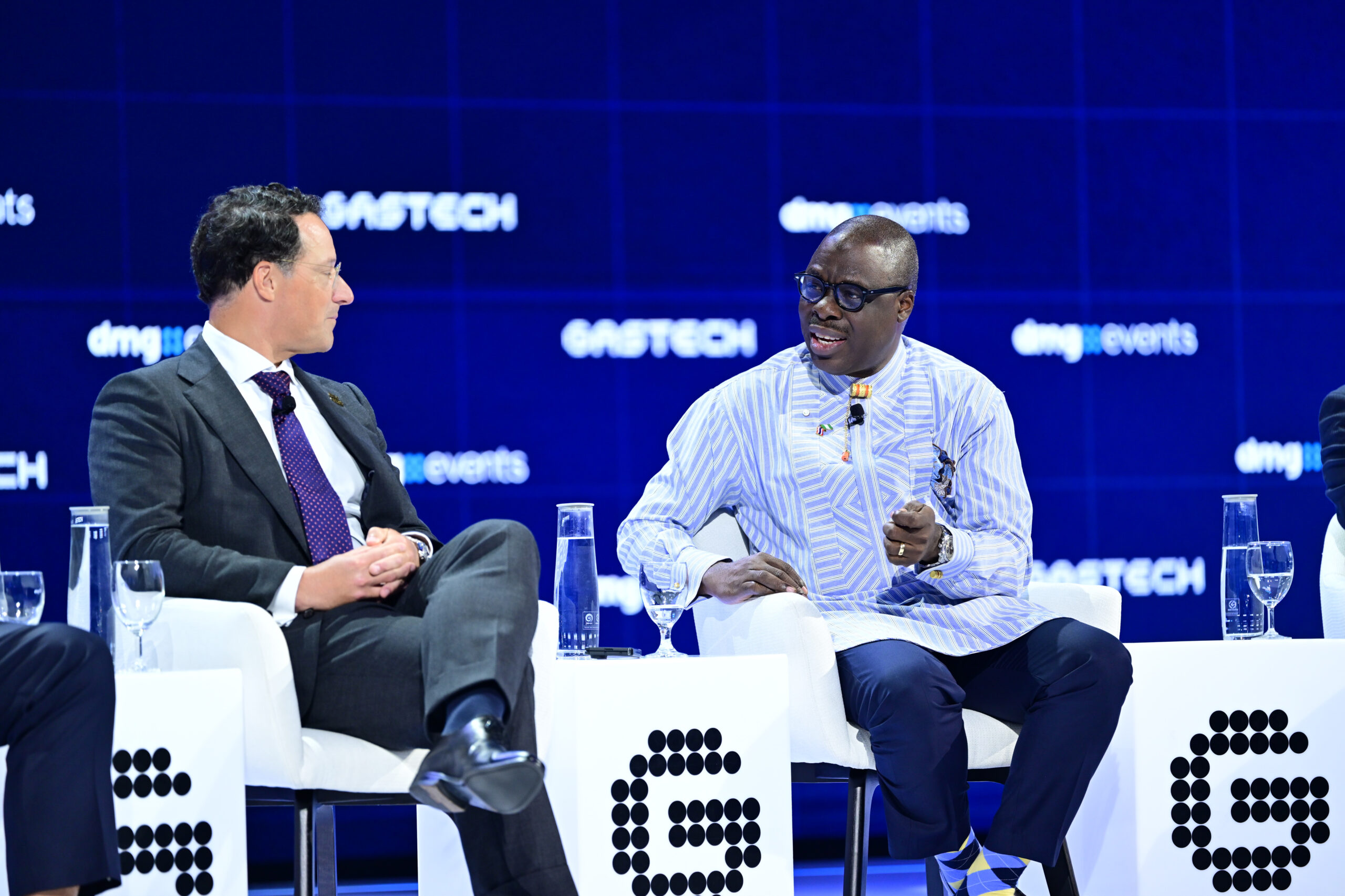
NLNG Managing Director and Chief Executive Officer, Mr Adeleye Falade, disclosed this to reporters at the recently concluded Gas Technology Conference (Gastech) in Bangkok, Thailand, saying the $10 billion project on Bonny Island would be ready for production by the end of next year.

Train 7 will raise NLNG’s liquefaction capacity from 22 million tonnes per year (mtpa) to about 30 mtpa, representing an increase of roughly 36 per cent. The expansion has suffered repeated delays, including disruptions associated with the COVID-19 pandemic and the Russia-Ukraine war.
However, while the additional capacity is expected to strengthen Nigeria’s position in the global LNG market, the immediate challenge remains securing enough feed gas to utilise the existing plant.
Falade said NLNG remained under a force majeure declared in 2022 following widespread flooding that disrupted gas supplies to the company.
The company is expected to lift the force majeure when it achieves a 90 per cent utilisation rate. Current utilisation, according to Falade, stands at between 82 and 83 per cent.
“We still have a delta of about 15% that we need to close,” he said, stressing that the plant had the operational capability to increase production but lacked sufficient gas supply.
“Operationally, we are able to do that, but our biggest constraint is gas supply, and we’re working with all the relevant people, including the government, to be able to get more gas to flow into the plant.”
The supply constraint is particularly significant because the global LNG market has presented opportunities for producers able to offer reliable alternative supplies.
Falade said NLNG had recorded increased interest in additional volumes and spot LNG cargoes after exports through the Strait of Hormuz were curtailed by the Iran war.
“People are looking at more diversified, reliable sources of supply,” he said.
The development creates an opportunity for NLNG as buyers seek alternative sources of LNG, but the company’s ability to capture that opportunity remains tied to the availability of domestic gas.
For now, Falade said the company was prioritising its existing contractual commitments under the force majeure while seeking to maximise available production.
“Our priority currently is to continue to make sure that we fulfil our obligations to our existing customers and maximize as much production opportunity as possible that we have,” he said.
The situation highlights a central challenge confronting Nigeria’s LNG expansion: additional liquefaction capacity can only translate into higher exports and revenue if sufficient gas is available to feed the plants.
Train 7 is therefore expected to mark a major increase in NLNG’s nominal capacity when completed in Q4 2027, but its full commercial impact will depend on whether the company and its gas suppliers can close the existing feedstock gap.


