Skip to content

NMDPRA to issue import permits for 165,000MT LPG, targets price stability

The Nigerian Midstream and Downstream Petroleum Regulatory Authority (NMDPRA) has announced plans to issue permits and closely monitor imports conceived to bridge estimated 165,000-metric-tonne Liquefied Petroleum Gas (LPG) supply deficit projected for the third quarter of 2026.
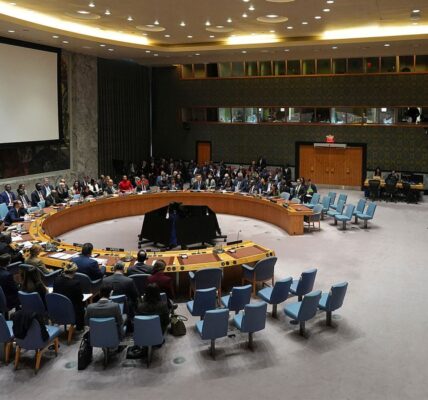
The Authority Chief Executive, Rabiu Umar, on Monday disclosed at an emergency stakeholders’ meeting convened by the Minister of State for Petroleum Resources (Gas), Ekperikpe Ekpo, in Abuja that as part of urgent measures aimed at stabilising cooking gas prices across the country the measure is to address rising LPG prices and supply challenges.

Umar described imports as the immediate response to the looming shortfall, noting that the intervention forms part of broader short- and medium-term strategies designed to increase cooking gas availability and restore market stability.
According to him, engagements with terminal operators, domestic producers and other stakeholders have already improved LPG supply sufficiency from 11 days to 22 days, while the regulator has intensified efforts to tackle excessive profiteering by marketers.
“The projected third-quarter supply gap is 165,000 metric tonnes. NMDPRA will issue import permits and closely monitor their performance. There will also be injection of LPG volumes currently being exported into the domestic market,” he said.
He revealed that the Anoh Gas project is expected to commence supply of about 50 metric tonnes of LPG daily from July 2026, adding that more locally produced volumes would be redirected to the domestic market to ease pressure on supply.
Umar further disclosed that the authority would audit off-takers lifting LPG from the Nigerian Liquefied Natural Gas (NLNG) and the Nigerian National Petroleum Company Limited (NNPC Ltd.) with a view to improving distribution efficiency and ensuring more competitive pricing.
He said NMDPRA had stepped up monitoring and enforcement activities across the LPG value chain to curb diversion and other market abuses that contribute to supply disruptions and inflated prices.
According to him, the regulator will also support the expansion of LPG storage, terminal and distribution infrastructure, accelerate domestic gas processing projects, prioritise local supply and facilitate access to foreign exchange for critical imports where necessary.
“NMDPRA will deploy technology to track product movement, develop a tariff regulatory framework to promote fair pricing and leverage expanded private sector investments in LPG storage and cylinder manufacturing to strengthen nationwide supply,” Umar stated.
He added that the authority was committed to restoring cooking gas prices to levels recorded about a year ago and ensuring that domestically produced LPG remains cheaper than imported volumes.
The regulator also plans to support infrastructure investments through the Midstream and Downstream Gas Infrastructure Fund (MDGIF) while engaging Chevron and other industry operators to boost supplies to the domestic market.
Earlier, Executive Director, Distribution Systems, Storage and Retail Infrastructure at NMDPRA, Ogbugo Ukoha, attributed the recent increase in LPG prices to inadequate domestic supply, low import volumes, distribution bottlenecks and profiteering by some market operators.
Despite existing directives mandating domestic producers to prioritise local supply, Ukoha lamented that some volumes were still being exported, thereby tightening availability within the country.
He said the authority had engaged stakeholders to resolve technical and logistics challenges, including proposals to blend exported LPG for local consumption.
According to him, recent regulatory interventions have improved average daily supply from 4,262 metric tonnes in May to 5,040 metric tonnes as of June 19, following the arrival of four import cargoes with a combined volume of about 16,000 metric tonnes.
Ukoha warned that marketers would no longer be allowed to exploit consumers as supply conditions improve, adding that NMDPRA would accelerate licensing of LPG storage and blending facilities, expand distribution networks and fast-track domestic gas processing projects to raise local production.
He expressed optimism that the measures being implemented would significantly increase cooking gas availability and begin to moderate prices from July, providing relief to households and businesses grappling with rising energy costs.