Skip to content

Flight without fuel: Electric air taxis signal a clean break for aviation
 Sopuruchi Onwuka Posted on
 Frank Okon
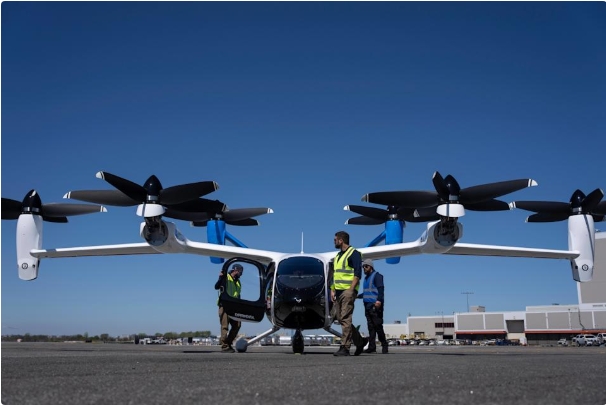
Aviation took a visible step toward a cleaner future this week as Joby Aviation completed the first point-to-point electric air taxi flights in the history of New York City, signaling that urban air mobility is moving from concept to reality in one of the world’s most congested transport corridors.

The company’s electric vertical takeoff and landing aircraft flew between John F. Kennedy International Airport and Manhattan heliports, including Downtown Skyport and the West 30th Street Heliport, completing a route that typically takes up to two hours by car in just minutes. The demonstration offered a glimpse of how short-haul air travel could ease pressure on crowded roads while sharply reducing the environmental footprint of city transport.
Unlike traditional helicopters, Joby’s aircraft runs entirely on electricity, producing zero in-flight emissions. That shift is central to a broader transformation underway in aviation, an industry long dependent on fossil fuels and responsible for a growing share of global carbon output. By replacing fuel-burning engines with electric propulsion, air taxis could help carve out a new category of low-emission transport, particularly for short urban and regional trips where alternatives are limited.
Noise reduction is another critical advantage. The aircraft is engineered to operate far more quietly than helicopters, a difference that could make frequent urban flights more acceptable to city residents and regulators. That combination of lower noise and zero emissions positions electric air taxis as a potential bridge between sustainability goals and the demand for faster, more flexible travel within cities.
The flight also reflects a shift in how aviation companies are approaching commercialization. Through its acquisition of parts of Blade Air Mobility, Joby has gained access to existing heliport infrastructure and a ready customer base, while partnerships with airlines such as Delta Air Lines point to a future where air taxis function as seamless extensions of commercial flights. The company has also signaled plans to integrate bookings through platforms like Uber, further embedding the service into everyday travel.
Industry observers see these developments as part of a wider race to decarbonize flight. Competitors including Vertical Aerospace are pursuing similar aircraft, underscoring growing momentum behind electric aviation as governments and companies face mounting pressure to cut emissions.
While regulatory approval and large-scale deployment remain ahead, the New York flights mark a turning point. They demonstrate not only that electric air taxis can operate in dense urban environments, but also that aviation’s transition away from fossil fuels is beginning to take tangible form. If the technology scales as planned, short flights that once relied on carbon-intensive engines could soon be replaced by quieter, cleaner alternatives, reshaping both city travel and the environmental impact of flying.

You Might Also Like