Skip to content

Nigeria–Morocco $25bn gas pipeline set for multilateral backing

- WAPCO declares infrastructure readiness for extension
A major trans-African energy project, the Nigeria–Morocco gas pipeline, is moving closer to reality as plans advance to secure multilateral endorsement and finalize a key intergovernmental agreement this year.
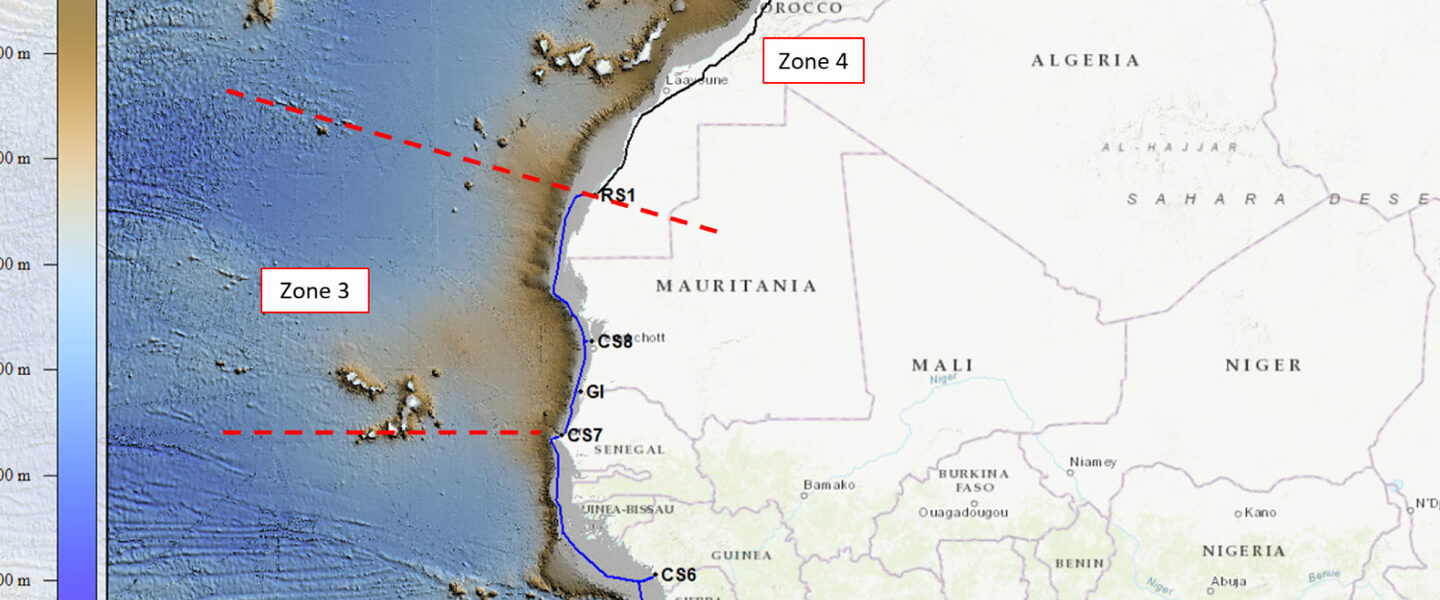
The project known as the African Atlantic Gas Pipeline is a joint initiative between Nigeria and Morocco, with strong backing from the Economic Community of West African States. It is designed to span approximately 6,900 kilometers, making it one of the longest offshore-onshore gas pipelines in the world.
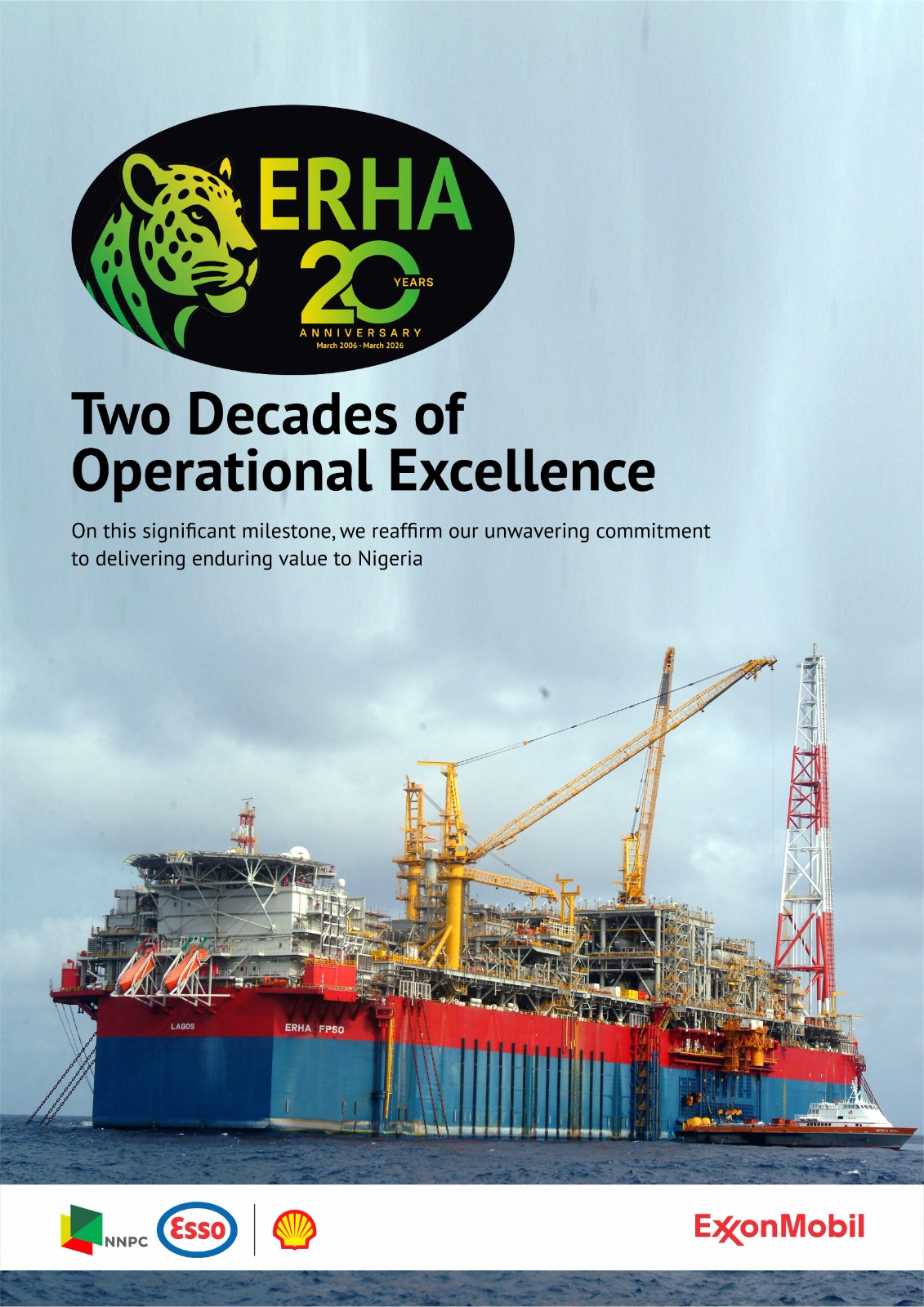
Meanwhile, the Managing Director of West Africa Gas Pipeline Company (WAPCO) Limited, Mr Abiodun Bodurin, earlier told Oracle Intelligence that that the company’s existing infrastructure remains strong and ready to form the connecting point for the African Atlantic Gas Pipeline.
He stated in a chat at the Nigerian International Energy Summit (NIES) in Abuja that WAPCO would be ready to provide the base infrastructure for the Nigeria–Morocco gas pipeline in line with the original concept of the West Africa Gas Pipeline (WAGP) which was designed to extend beyond Ghana to connect emerging markets along the West African coasts.
Estimated to cost about $25 billion, the pipeline will have a maximum capacity of 30 billion cubic meters of gas annually. Around half of this volume is expected to supply Morocco, while the rest will support exports to Europe, positioning the country as a key energy bridge between Africa and European markets.
According to Amina Benkhadra, director of Morocco’s hydrocarbons agency, the long-awaited intergovernmental agreement (IGA) will be signed in 2026. This will pave the way for the creation of a joint project company involving the Nigerian National Petroleum Company and Morocco’s ONHYM to oversee financing, construction, and execution.
The pipeline has already completed feasibility and front-end engineering design stages, signaling strong technical progress. Once the IGA is signed, a high-level governing authority will also be established in Nigeria, bringing together representatives from the 13 participating countries to coordinate policy and regulation.
The development will be carried out in phases. Initial segments will link Morocco to gas fields in Mauritania and Senegal, while later stages will connect Ghana to Côte d’Ivoire, before extending to Nigeria’s gas reserves. First gas deliveries from early phases are expected by 2031.
Beyond energy supply, the project is expected to drive regional integration, boost electricity generation, and support industrial and mining growth across West Africa. It also offers participating countries new opportunities to access gas resources and expand infrastructure.
While funding arrangements are still being finalized, officials say the project is attracting strong interest from investors due to its scale, phased structure, and strategic importance.
If completed as planned, the pipeline could reshape energy flows across West Africa and strengthen Africa’s position in the global gas market.