Skip to content

Malaysia, Australia strike energy deal to offset Iran war disruptions

Frank Okon
Malaysia and Australia have agreed to strengthen energy supply cooperation as disruptions linked to the Iran conflict continue to strain global fuel markets.

The agreement comes as tensions around the Strait of Hormuz — a key shipping route — have disrupted oil and gas flows following Iran’s response to U.S.-Israeli strikes earlier this year.
Under the deal, both countries will prioritize domestic energy needs while allowing surplus oil and gas to be redirected to each other, effectively creating a buffer against supply shocks.
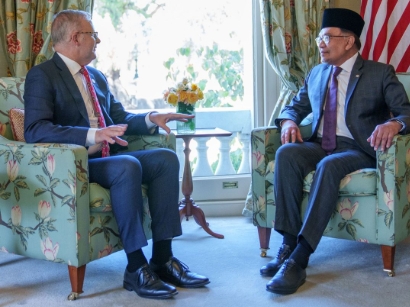
Speaking in Putrajaya, Malaysian Prime Minister Anwar Ibrahim said Australia had reassured Kuala Lumpur of continued gas supplies and had consistently met its commitments.
Australian Prime Minister Anthony Albanese said energy security remains central to bilateral ties, adding that Canberra had already secured additional diesel shipments from regional partners and was in discussions with Malaysia’s state energy firm, Petronas.
The deal reflects growing urgency across Asia, where governments are scrambling to replace disrupted Middle Eastern supplies. Rising fuel prices have forced some countries to ration energy for industry, power generation and agriculture.
Australia is a major supplier of liquefied natural gas to Malaysia, while Malaysia exports refined fuel and fertilizer to support Australia’s transport and agricultural sectors.
Analysts say the agreement highlights a broader shift in regional energy strategy, as countries move to reduce dependence on volatile supply routes and build more flexible trade partnerships.
However, alternatives come with risks. Turning to sanctioned suppliers such as Russia could expose both countries to pressure from the United States, forcing governments to balance energy security against diplomatic and economic consequences.