Skip to content

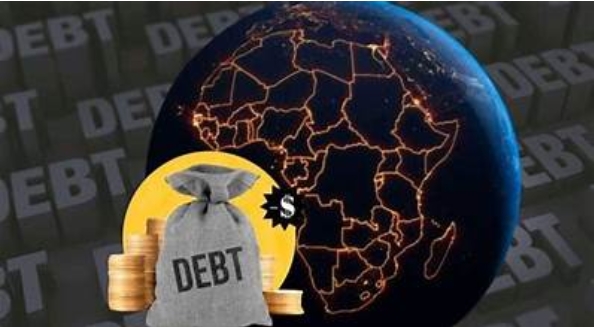
Africa caught in debt squeeze as global crises push borrowing costs to record heights

Frank Okon
African nations are among the hardest hit by high borrowing costs imposed by a series of global crises, including widespread pandemics, armed conflicts, and economic shocks.

The COVID-19 pandemic, the Russia–Ukraine war, and rising instability in the Middle East have all pushed global interest rates higher, driving up the cost of external borrowing for developing economies. According to a new report by ONE Campaign and The Rockefeller Foundation, the average cost of external debt across Africa has nearly doubled in just four years.
The tightening financial environment is forcing many governments to divert funds away from essential services such as healthcare, education, and infrastructure development, as more revenue goes toward debt servicing.
What makes the current situation more severe than previous crises is the lack of affordable alternatives. Borrowing costs have risen across all major sources at once. Western donors are cutting back on aid due to domestic political and fiscal pressures. China, once a key low-cost lender, has also increased its lending rates to African countries. Even multilateral development banks, long considered the most affordable source of external finance, are now offering loans on tougher terms.
The pressure is particularly acute for middle-income countries such as Ghana, Kenya, and Senegal. These countries had previously taken advantage of low global interest rates to access international bond markets, but are now struggling to refinance expensive debt under far harsher conditions.
Ghana’s ongoing debt restructuring has become a clear example of how quickly commercial borrowing can become unsustainable, complicating future access to concessional financing and investor confidence.
The report urges multilateral lenders to increase and accelerate affordable lending, speed up debt restructuring processes, and ensure concessional financing remains available for the poorest countries.
Analysts warn that delays in reform could deepen fiscal stress across the continent, with long-term consequences for growth, public services, and economic stability.