Skip to content

Dangote Refinery reaches 87% installed capacity in March
 Sopuruchi Onwuka Posted on
 - As debate rages over fuel pricing in Nigeria
Sopuruchi Onwuka
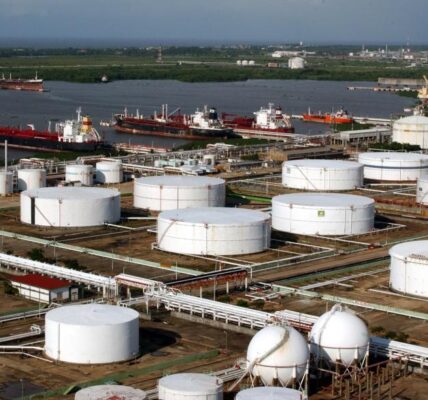
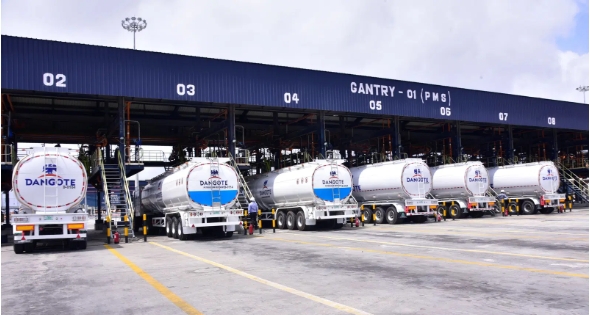
Nigeria’s largest refining facility, the Dangote Petroleum Refinery, reached 87 percent capacity utilization in March, marking its highest operational level since commencing production and signaling a major shift in efficiency level.
In a public statement from the company, which was widely circulated across the media, Dangote Petroleum Refinery & Petrochemicals Limited stated that rising processing volumes at the refinery led to turgidity in the domestic fuel market and enabled export of surplus volumes to the international market.
The company disclosed that it processed an average of 565,000 barrels of crude oil per day during the month, reflecting strong ramp-up in operations at the 650,000 barrels-per-day facility. The increase in output, it said, is enabled by strong policy support from the current administration of the government.
According to the refinery, higher processing volumes have eased supply pressures locally and created surplus volumes for export, contributing to improved market balance. Data cited from global tracking firm Kpler showed that gasoline imports into Nigeria dropped sharply to about 41,000 barrels per day in March, the lowest level on record.
At the same time, exports of gasoline from the refinery rose to about 44,000 barrels per day, compared to no exports in the first two months of the year, effectively placing Nigeria in a net export position of roughly 3,000 barrels per day for the month.
In a notable development, the refinery also exported gasoline to East Africa for the first time, delivering a 317,000-barrel cargo to Mozambique, as regional demand increased amid supply disruptions linked to the Middle East.
The operational milestone comes amid ongoing debate over fuel pricing in Nigeria.
Oracle Intelligence reports that the declaration by the company came after it battled a World Bank report which pointed at high petrol prices from Dangote Refinery as a trigger of inflationary jumps in the domestic economy.
The World Bank had disclosed that imported petrol is currently cheaper than the one supplied by the Dangote Petroleum Refinery; noting that exorbitant local fuel prices could deepen inflationary pressures in Nigeria’s economy.
The World Bank pointed out in its latest Nigeria Development Update that imported petrol is some12 percent cheaper than locally refined fuel from Dangote, stressing that disparity follows the halt in issuance of import licenses earlier in 2026 which led to broader inefficiencies in the domestic fuel market at a time of heightened global oil volatility.
The situation, according to the World Bank, could directly add roughly 3.1 percentage points to Nigeria’s headline inflation, assuming full pass-through to domestic fuel prices.
But Dangote Refinery has pointed at its rising capacity and process optimization in the domestic refining industry, maintaining that it has remained moderate in adjusting its product prices amid jumps in global crude oil prices.
Industry analysts posit that Dangote’s rising output volumes and capacity optimization should naturally lead to stronger economies of scale and directly translate to cost efficiency which should benefit the domestic market.