Skip to content

How Iran’s war threats are fracturing NATO military alliance

Ziggy Ojiegbe
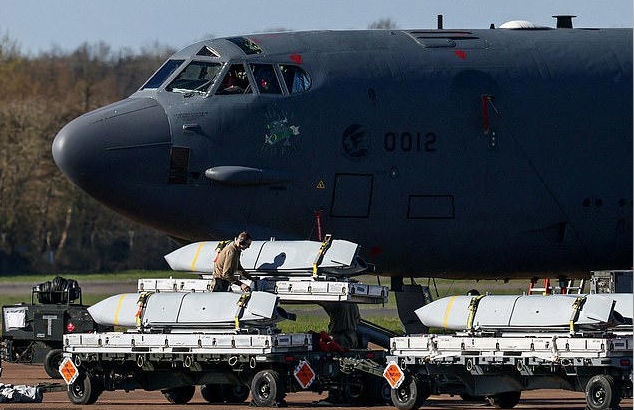
European countries are increasingly distancing themselves from the United States’ military campaign against Iran, as direct and indirect threats from Tehran reshape security calculations across the continent.

Iran has warned that any country hosting U.S. military assets or supporting operations against it could be considered a legitimate target. The threat has heightened fears in European capitals already concerned about the war spilling beyond the Middle East.
The impact is now visible in policy decisions across Europe.
Spain has closed its airspace to U.S. military aircraft, while Italy and France have imposed restrictions on the use of their bases and territory for operations linked to the war. These moves mark a significant break from the usual level of cooperation within NATO.
Analysts say the shift reflects growing concern that deeper involvement could expose European countries to Iranian retaliation. Tehran has already demonstrated its willingness to expand the conflict, launching missile and drone attacks on U.S. and allied targets across the region, and warning that escalation could extend further.
The divisions have triggered a sharp response from Washington. Donald Trump has openly criticized European allies for refusing to support the campaign, accusing them of failing to share the security burden and warning they may need to defend themselves without U.S. backing.
Senior U.S. officials have gone further, suggesting the alliance itself could be reassessed. Secretary of State Marco Rubio described NATO as a “one-way street” after multiple countries denied access to bases and airspace, signaling a potential post-war review of U.S. commitments.
European leaders, however, insist their decisions are based on national interest and risk assessment rather than a rejection of the alliance. Many governments have emphasized that NATO is a defensive pact and not automatically engaged in offensive operations outside its framework.
Still, the cumulative effect of Iran’s warnings and demonstrated military reach has altered the strategic landscape. European reluctance to participate in the war has exposed fractures in transatlantic unity and raised questions about the future cohesion of the alliance.
With the conflict ongoing and threats of escalation persisting, the gap between the United States and its European allies appears to be widening—driven in part by Tehran’s ability to deter deeper involvement through the risk of direct retaliation.