Skip to content


Ziggy Ojiegbe
The economic fortunes of artisanal fishers in Nigeria and neighboring West Africa nations will drastically improve over time if coordinated policies are implemented to curb currently ongoing overfishing and allow healthier stocks repopulate in high seas and spill back into national waters.
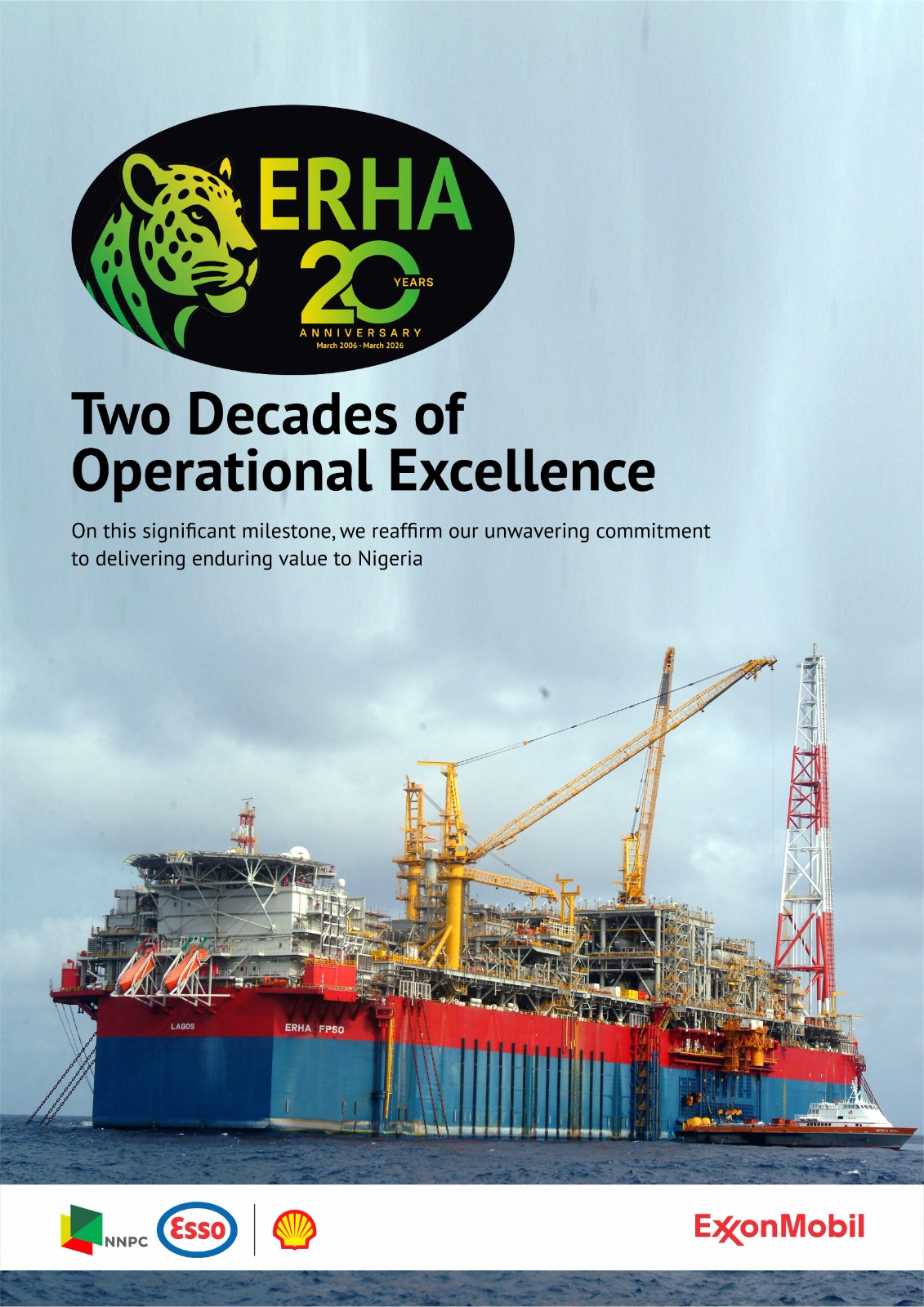
This forms the key goals of the Biodiversity Beyond National Jurisdiction agreement among coastal West African countries.
The BBNJ agreement which has been determined as the instrument that provides coastal West Africa a real chance to protect offshore ecosystems that sustain its fisheries and economies emphasizes how the region which is long characterized as a victim of ocean exploitation is taking a leadership role in a huge emerging conservation effort.
An article on Dialogue Earth, the high seas treaty, also called the Biodiversity Beyond National Jurisdiction (BBNJ) treaty, enables a proposed marine protected area (MPA) proposal to cover the vast Atlantic high seas offshore the West African coastline.
If implemented effectively, the treaty could shift the region from being a victim of marine exploitation to a leader shaping the future of ocean protection.
By enabling marine protected areas beyond national waters, the article argues, the treaty can help rebuild shared fish stocks, improve food security, create skilled jobs in marine management and strengthen the region’s voice in global ocean governance.
To turn this opportunity into lasting gains, West African governments must invest in enforcement, science and regional cooperation, including through the Economic Community of West African States.
For years, the region has watched as foreign fleets fished just beyond national waters, often with little oversight. Fish that move between national zones and the high seas were caught before they could replenish local stocks. Coastal communities paid the price in shrinking catches and unstable incomes. The new treaty creates a legal path to manage and protect those high seas areas for the first time.
That matters because many of West Africa’s most valuable fish species do not stay neatly within exclusive economic zones. They migrate through offshore ecosystems shaped by the meeting of the Canary Current and the Guinea Current.
These waters are among the richest in the Atlantic. If spawning and feeding grounds in those high seas zones are protected, fish populations have a better chance to recover. Over time, healthier stocks can spill back into national waters, improving catches for artisanal fishers in countries such as Senegal, Ghana and Nigeria.
For families who depend on daily landings to buy food or pay school fees, that recovery is survival.
The treaty also gives West African governments a stronger hand in dealing with industrial fleets that operate near their coasts. In the past, decisions about high seas fishing rules were often shaped far from the region. Now there is a formal process to propose marine protected areas and to push for stricter oversight of industrial fishing and emerging industries such as deep-sea mining.
Acting through the Economic Community of West African States, countries can coordinate their positions and present a united front. That kind of regional leverage has been missing for decades.
There are economic benefits beyond rebuilding fish stocks. Properly managed marine protected areas require monitoring, research and enforcement. That means jobs for scientists, fisheries observers, satellite analysts and patrol crews. It also creates incentives to invest in data systems and marine science training. Instead of relying almost entirely on outside expertise, countries such as Liberia and Cabo Verde can use the treaty framework to strengthen their own institutions. Over time, that builds capacity that extends well beyond one protected area.
The agreement also addresses marine genetic resources, which are increasingly valuable for pharmaceuticals and biotechnology. In the past, countries with advanced research vessels captured most of those benefits. The treaty includes provisions for benefit-sharing and capacity-building, offering a way for African states to gain access to research partnerships, training and potentially financial returns linked to discoveries from high seas biodiversity. It does not guarantee fairness, but it creates a mechanism where none existed before.
There is also a political dimension. Leaders such as Joseph Nyuma Boakai have argued that African countries were not passive observers in the negotiations. By participating actively in shaping and implementing the treaty, West Africa can move from being seen mainly as a victim of marine exploitation to being recognized as a rule-maker in global ocean governance. That shift in perception can influence everything from trade negotiations to environmental diplomacy.
None of these benefits will materialize automatically. Enforcement remains expensive. Many countries in the region still struggle to police their own waters, let alone influence distant fleets. But the treaty changes the starting point. It gives coastal West Africa a legal foundation to protect shared ecosystems, a platform to demand fairer rules and a framework to attract long-term investment in science and monitoring.
If governments use it strategically and back it with real resources, the Biodiversity Beyond National Jurisdiction agreement could help stabilize fisheries, strengthen coastal economies and give the region a stronger voice in decisions about the global ocean. For communities along the Atlantic coast, that could mean more secure livelihoods and a future shaped less by external pressure and more by regional leadership.