Skip to content

Slow regulatory approvals threaten oil output targets __ PETAN

- NCDMB proves exception with rapid response
Sopuruchi Onwuka
Industry players in Nigeria’s upstream petroleum sector have warned that slow regulatory approvals and prolonged contracting cycles are undermining efforts to ramp up crude oil production by over one million barrels per day, as directed by President Bola Tinubu.

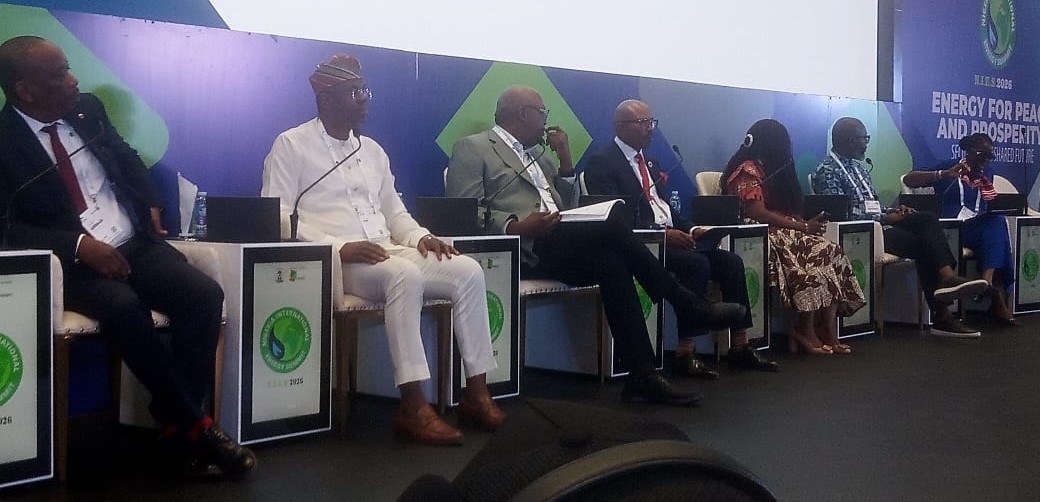
The concerns were raised during a performance debate at the Nigerian Content Seminar, which opened the 2026 Nigerian International Energy Summit (NIES) in Abuja. The session examined obstacles to achieving the Federal Government’s aggressive production targets under ongoing economic reforms aimed at boosting revenue, stabilizing the naira, and addressing fiscal deficits.
Participants identified sluggish responses by key regulators to approval requests and industry engagements as a major bottleneck to project execution. However, the Nigerian Content Development and Monitoring Board (NCDMB) was cited as a notable exception, with speakers acknowledging its relatively fast-tracked approvals and proactive support to operating companies to accelerate project delivery.
The debate focused on why the industry has struggled to deliver the additional production volumes envisaged by the Presidency, despite renewed policy attention on the oil and gas sector as a driver of economic recovery. Industry analysts noted that the one-million-barrel-per-day target is expected to stimulate upstream activity, improve foreign exchange inflows, support federal budgets, and curb inflationary pressures.
The session, sponsored by Nigeria LNG (NLNG) Limited, was moderated by the President of Women in Energy Network, Mrs Eyono Fatai-William, who steered discussions around competence, competitiveness, and collaboration as critical success factors for meeting national production goals.
In his presentation, Chairman of the Petroleum Technology Association of Nigeria (PETAN), Engr. Wole Ogunsanya, criticised what he described as persistent regulatory lethargy, which he said continues to delay contracting processes in the upstream sector.
Ogunsanya noted that regulatory delays run contrary to a presidential executive order mandating that upstream contracting processes be concluded within six months. He said mandatory approvals by multiple government agencies often stretch well beyond the stipulated timelines, stalling projects and increasing costs.
“Instead of enabling faster project delivery, regulators have become the main bottlenecks to execution,” Ogunsanya told delegates. “We are not concluding contract processes within six months as directed, and reports sent to the Presidency do not always reflect the realities faced by industry players.”
He disclosed that PETAN is currently monitoring several ongoing tenders, adding that many projects scheduled to commence in 2026 and 2027 remain stalled due to extended contracting cycles. Findings from a PETAN study showed that contract awards are falling significantly short of the presidential benchmark, despite increased tendering activities since the fourth quarter of 2024.
According to Ogunsanya, persistent execution gaps are driven by prolonged internal approvals, delayed Final Investment Decisions (FIDs), slow commercial negotiations, extended regulatory and compliance procedures, and challenges in funding and financial close.
He called on the Presidency to intensify oversight of the contracting process to ensure alignment with approved timelines, warning that continued delays could erode investor confidence and slow sector growth.
Meanwhile, the Minister of State for Petroleum Resources (Gas), Hon. Ekperikpe Ekpo, Ph.D, has reiterated the need for Nigeria to transition from compliance-driven to performance-driven local content, particularly in the gas sector.
Speaking at the summit, Ekpo said gas remains Nigeria’s most immediate, scalable, and inclusive pathway to economic diversification, industrialisation, and shared prosperity. He stressed that local content policies must prioritise the development of globally competitive indigenous companies, advanced technological capability, and sustainable value retention.
The minister called for stronger collaboration among government, operators, financial institutions, and training bodies to deliver measurable outcomes and scalable models that position local content as a driver of industrial growth.
Ekpo also acknowledged President Tinubu’s role in shaping Nigeria’s gas-led development agenda through sustained economic reforms, energy security initiatives, and industrialisation policies, noting that gas continues to serve as the backbone of the country’s energy transition and broader economic strategy.