Skip to content


Digital initiatives can save petroleum industry over $320 bn _Rystad

Sopuruchi Onwuka
Digital innovation is becoming a defining force for the oilfield services (OFS) sector as it adjusts to shifting market realities. According to a new analysis from global energy advisory firm Rystad Energy, the next five years could bring more than 320 billion dollars in savings for the oil and gas industry through deeper digital adoption in drilling optimization, autonomous robotics, predictive maintenance, reservoir management and logistics optimization.
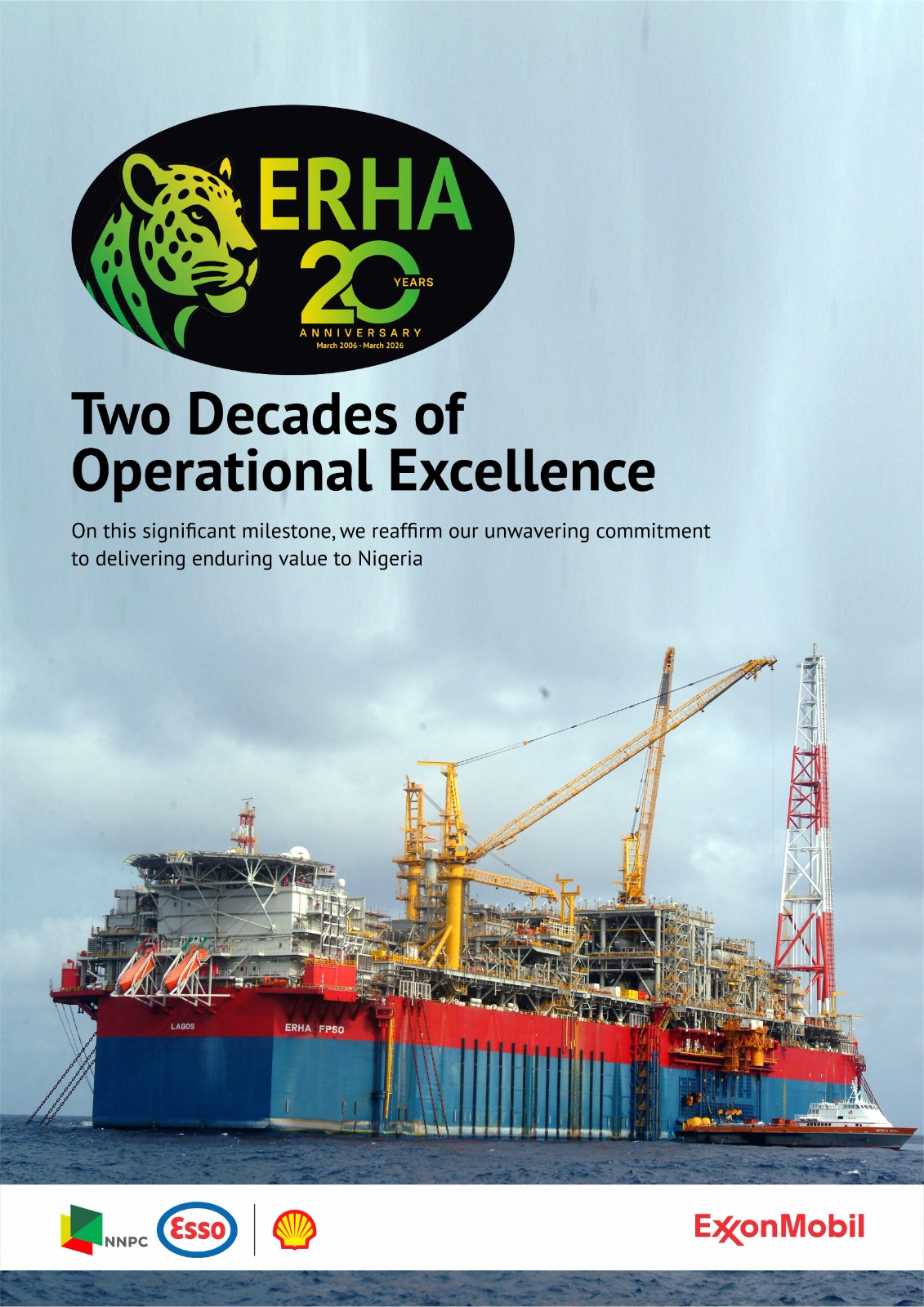
Rystad Energy expects major changes across the OFS business landscape as mergers, new partnerships with technology firms and stronger software integration push the industry toward digital-first models.
Binny Bagga, Senior Vice President for Supply Chain, said the 320 billion dollar estimate is conservative. He explained that broader digital adoption across additional business areas could unlock even more value, but only if leaders commit to transformation and encourage a business culture that is less risk averse.
Digitalization still lacks standard measurement across the industry, and many supply chain companies do not yet report clear GAAP-level digital earnings. That trend is slowly shifting. SLB now reports a dedicated digital division in its results and expects that division to reach a 35 percent margin on a full-year basis in 2025. Viridien’s digital, data and environment segment generated 787 million dollars last year, growing 17 percent and delivering 458 million dollars in adjusted EBITDA. These digital revenue streams tend to offer steadier, more resilient growth than traditional upstream capex cycles.
Bagga noted that the investment community is rewarding companies that show credible energy-technology strategies. Service companies that demonstrate scalable, technology driven and recurring revenue models often secure higher valuation multiples than those tied solely to equipment cycles. The premium, he said, depends on real scalability and continued digital progress.
However, the path to widespread digital oilfields remains challenging. High upfront costs for hardware, software, maintenance and cybersecurity can be difficult to justify, especially for smaller operators or those weighed down by legacy infrastructure. As a result, mid tier companies are adding selective digital enhancements, while smaller niche players and specialized software vendors focus on modular, custom solutions.
Partnerships with technology firms have become one of the strongest trends in digital investment. Collaboration has accelerated sharply since 2021, with notable momentum over the past two years among major players including SLB, Halliburton, NOV and Baker Hughes. These partnerships show a clear industry shift. Large suppliers are leaning into digital transformation and speeding up how they work with technology partners to reach it.