Skip to content

NNPC, ICAF explore oilfield decarbonisation, carbon financing partnership

The Nigerian National Petroleum Company (NNPC) Limited has initiated discussions with Immediate Climate Action Finance (ICAF) on potential collaboration to develop oilfield decarbonisation projects and explore carbon credit financing opportunities for methane emission reduction across Nigeria’s petroleum industry.
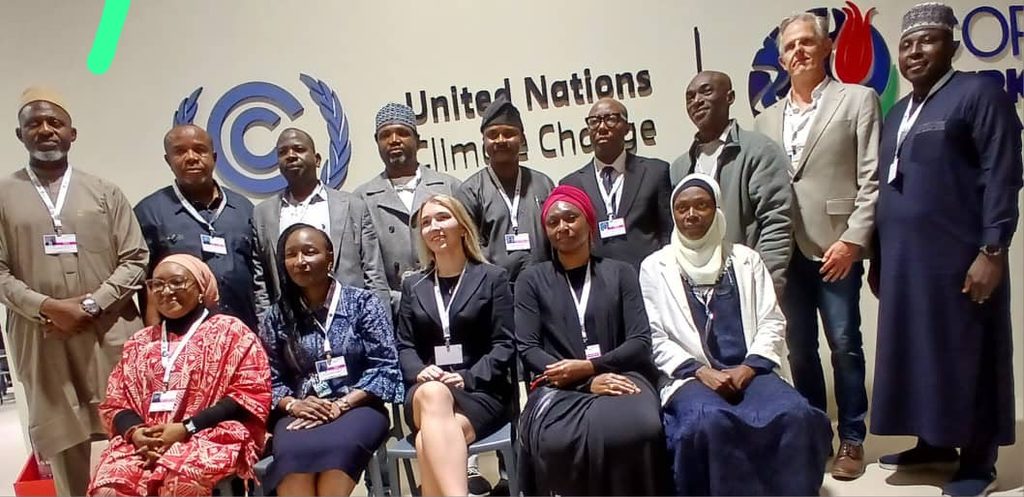
The engagement, held in Antalya, Türkiye, on the sidelines of the ongoing 31st Conference of the Parties (COP31), brought together a Nigerian industry delegation led by the Chief Strategy and Sustainability Officer of NNPC Ltd, Hauwa Mshelia, and an ICAF team led by its Chief Executive Officer, Mathew Harwood, and Head of Commercialisation, Paulina Gulbe.
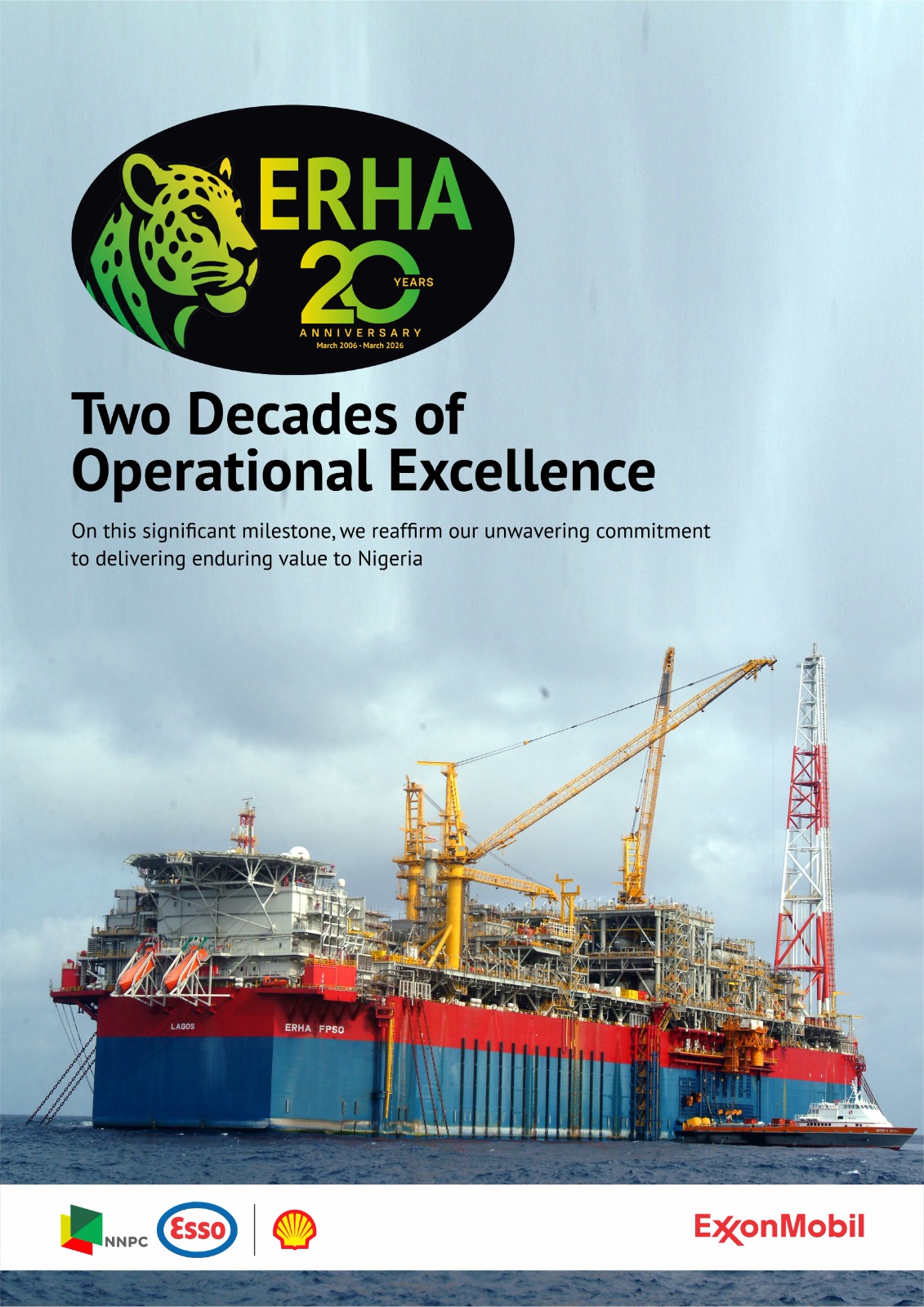
The discussions focused on possible areas of cooperation in developing projects that could support the reduction of methane emissions and greenhouse gases from oil and gas operations, as well as mobilising carbon finance to support their implementation.
Other members of the Nigerian delegation included the Managing Director of NNPC New Energy, Haruna Abdurrahman; Lead Strategy, NEPL, Ugochukwu Egerue; Manager, Sustainability Target Setting and Reporting, NNPC Ltd, Fatima Dalhatu; Manager, Sustainability, NEPL, Hauwa Usman; Manager, Sustainability, Strategy and Policy, NNPC Ltd, Philemon Yilleng; and Manager, Sustainability Partnerships and Alliance, NNPC Ltd, Ikechukwu Aturuobi.
Others were Head, Field Services, Antan, Tahir Ahmed; Deputy Manager, Strategy, NEPAL, Olalekan Bankole; and Deputy Manager, Technical Planning, Antan, Collins Utiri.
Although details of the discussions were not made public, Daily Champion learnt that the engagement was exploratory, following an earlier memorandum of understanding between NNPC Ltd and ICAF on potential project development.
The proposed areas of cooperation are understood to include Leak Detection and Repair (LDAR), vapour recovery and flare recovery projects, which could provide opportunities for carbon credit generation and other financing mechanisms to support Nigeria’s capacity to reduce methane emissions at oil production facilities across the country.
The proposed collaboration could also provide a framework for converting measurable emission reductions from petroleum operations into carbon finance, creating additional funding channels for the deployment of technologies and infrastructure required to tackle methane leakage and gas flaring.
ICAF specialises in helping oil and gas producers develop and finance projects that reduce methane emissions and flaring across Africa, the Middle East and Central Asia.
The organisation states that its interventions have so far delivered more than 11 million tonnes of carbon dioxide equivalent (CO2e) in emission reductions and generated over €157 million in carbon finance.
Harwood and Gulbe were attending COP31 in Türkiye to engage prospective partners on project development and strategic partnerships aimed at reducing methane and other greenhouse gas emissions from the energy sector and accelerating global decarbonisation.
ICAF says it has facilitated project development and the monetisation of emission reductions in more than 20 countries, with its current geographical focus covering the Middle East, Central Asia and Africa.
The Antalya engagement comes against the backdrop of NNPC Ltd’s repeated declarations of commitment to improving the environmental performance of Nigeria’s petroleum industry through greater emissions transparency, technology deployment and collaboration with international financial and technical partners.
The national oil company has increasingly positioned decarbonisation as an integral component of its strategy for sustaining petroleum production while responding to the growing global demand for measurable reductions in greenhouse gas emissions.
The discussions also reflect the increasing importance of methane abatement in the global energy transition, particularly as oil and gas producers face mounting pressure to identify, measure, report and eliminate avoidable emissions from their operations.
Across Nigeria, government agencies, regulators and host communities have used engagements at COP31 to call for stronger international cooperation and development financing to help the country strengthen its resilience against the growing impacts of climate change.
The calls have focused on the need for financial and technical assistance to support climate adaptation, environmental restoration and emission reduction initiatives, particularly in vulnerable communities.
Meanwhile, Nigerian financial institutions are also exploring opportunities in the emerging carbon market as part of efforts to connect climate-friendly projects with international financing.
Sterling Bank, for instance, is participating in COP31 to showcase carbon credit opportunities for communities, state governments and institutions involved in agricultural development and reforestation initiatives.
Part of the bank’s intervention involves developing credible mechanisms through which qualifying projects can generate, certify and monetise carbon credits, potentially creating additional revenue streams for communities and institutions while supporting environmental sustainability.
The growing involvement of financial institutions, international climate finance organisations and energy companies in carbon credit development underscores the emerging opportunities for Nigeria to mobilise private capital for climate action while addressing emissions from its oil and gas industry.