Skip to content



Output remains above OPEC quota for fifth consecutive month as improved operational stability and uninterrupted crude evacuation support upstream performance
Nigeria’s average daily crude oil and condensate production rose by 2.34 per cent to 1.717 million barrels in September 2026, consolidating the country’s position as Africa’s largest crude oil producer.
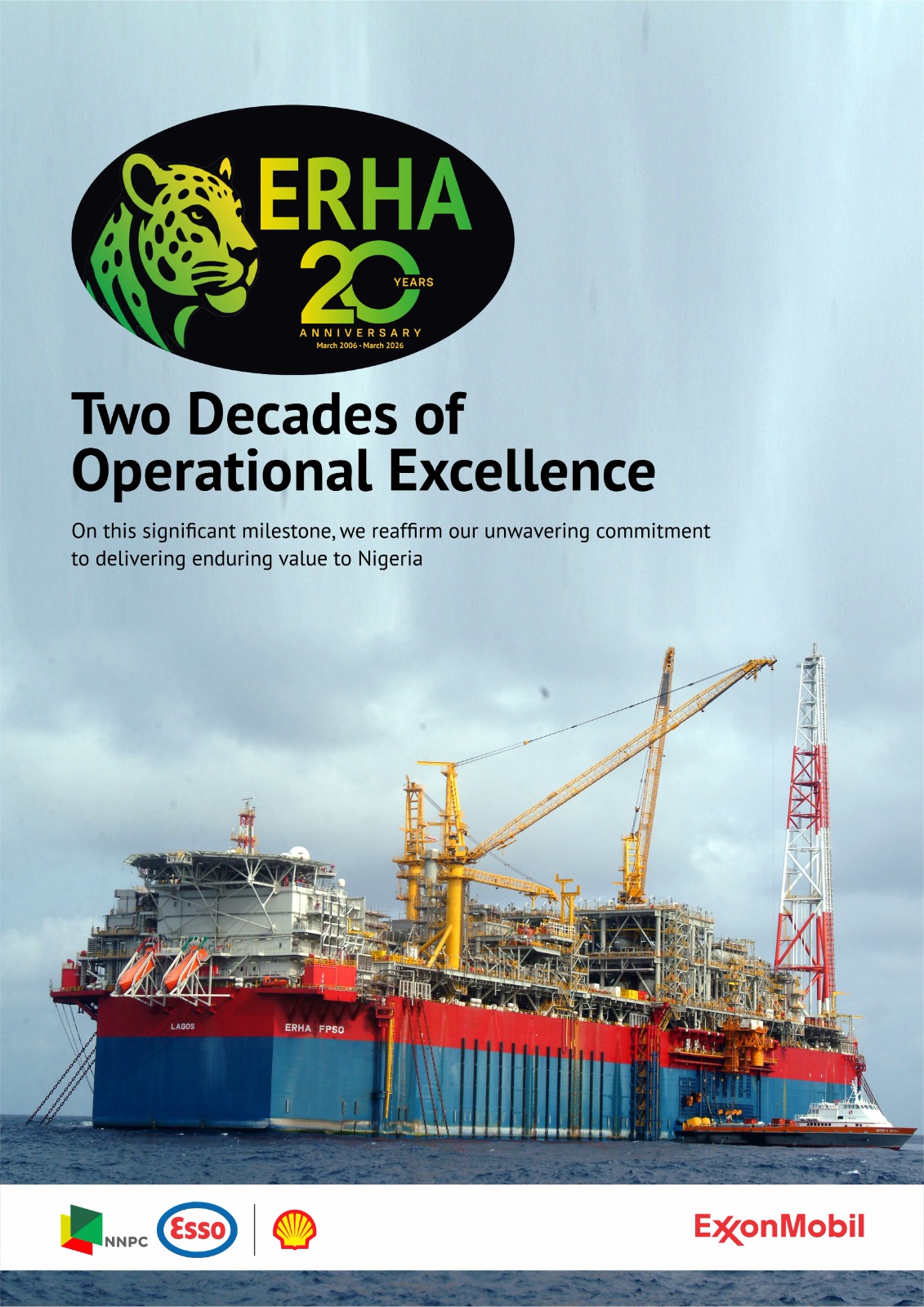
Data from the Nigerian Upstream Petroleum Regulatory Commission (NUPRC) showed that combined crude oil and condensate production increased from the previous month’s level, with daily output peaking at 1.84 million barrels during September. The lowest daily production recorded during the month was 1.68 million barrels.
Excluding condensate, Nigeria produced an average of 1.53 million barrels of crude oil per day, representing approximately 102 per cent of its 1.5 million barrels-per-day quota assigned by the Organisation of Petroleum Exporting Countries (OPEC).
The September performance marked the fifth consecutive month Nigeria met or exceeded its assigned OPEC crude oil production quota, reflecting sustained improvements in operational stability across the upstream petroleum sector.
The country produced an average of 1.53 million barrels per day in May, 1.55 million in June, 1.51 million in July, 1.50 million in August and 1.53 million in September.
The sustained performance suggests that Nigeria has maintained crude oil output around or above its OPEC limit despite operational and infrastructure challenges that have historically affected production and evacuation.
Industry performance during September was attributed primarily to stable operations across most producing assets and the absence of major pipeline outages during the period.
The improved operating environment supported production uptime and enhanced the efficiency of crude evacuation, enabling operators to sustain output and deliver crude to export terminals.
The development also reflects continuing efforts by operators and other industry stakeholders to improve operational efficiency, maintain asset integrity and strengthen production reliability across Nigeria’s upstream petroleum industry.
For Nigeria, sustained crude oil production is critical to government revenue, foreign exchange earnings and the country’s ability to meet its obligations under OPEC’s production framework.
However, maintaining output above the quota over consecutive months will require continued attention to infrastructure security, pipeline integrity, field maintenance and the timely execution of upstream development programmes.
A breakdown of September’s average daily crude oil and condensate production by terminal and stream showed that Forcados Terminal recorded the highest contribution, at 320.32 thousand barrels per day, followed by Bonny Terminal with 303.27 thousand barrels per day.
The September figures indicate an improvement in production performance, although the sustainability of the gains will depend on continued operational stability and the industry’s ability to address infrastructure constraints and maintain reliable crude evacuation.
While Nigeria’s average production of 1.717 million barrels per day includes condensate, its crude oil output of 1.53 million barrels per day is the relevant figure for comparison with the stated OPEC quota.