Skip to content


Nigeria becoming global oil, gas investment hub — Lokpobiri

Nigeria is fast emerging as a global investment hub for the oil and gas industry, driven by incentive-based reforms that have strengthened the country’s competitiveness for international capital.
Minister of State for Petroleum Resources (Oil), Senator Heineken Lokpobiri, who made the declaration at a trainers’ conference in Warri, Delta State, said Nigeria’s relative regional stability, strategic geographic location and proximity to major markets, particularly Europe, further position the country as an attractive destination for oil and gas investments and petroleum products distribution.
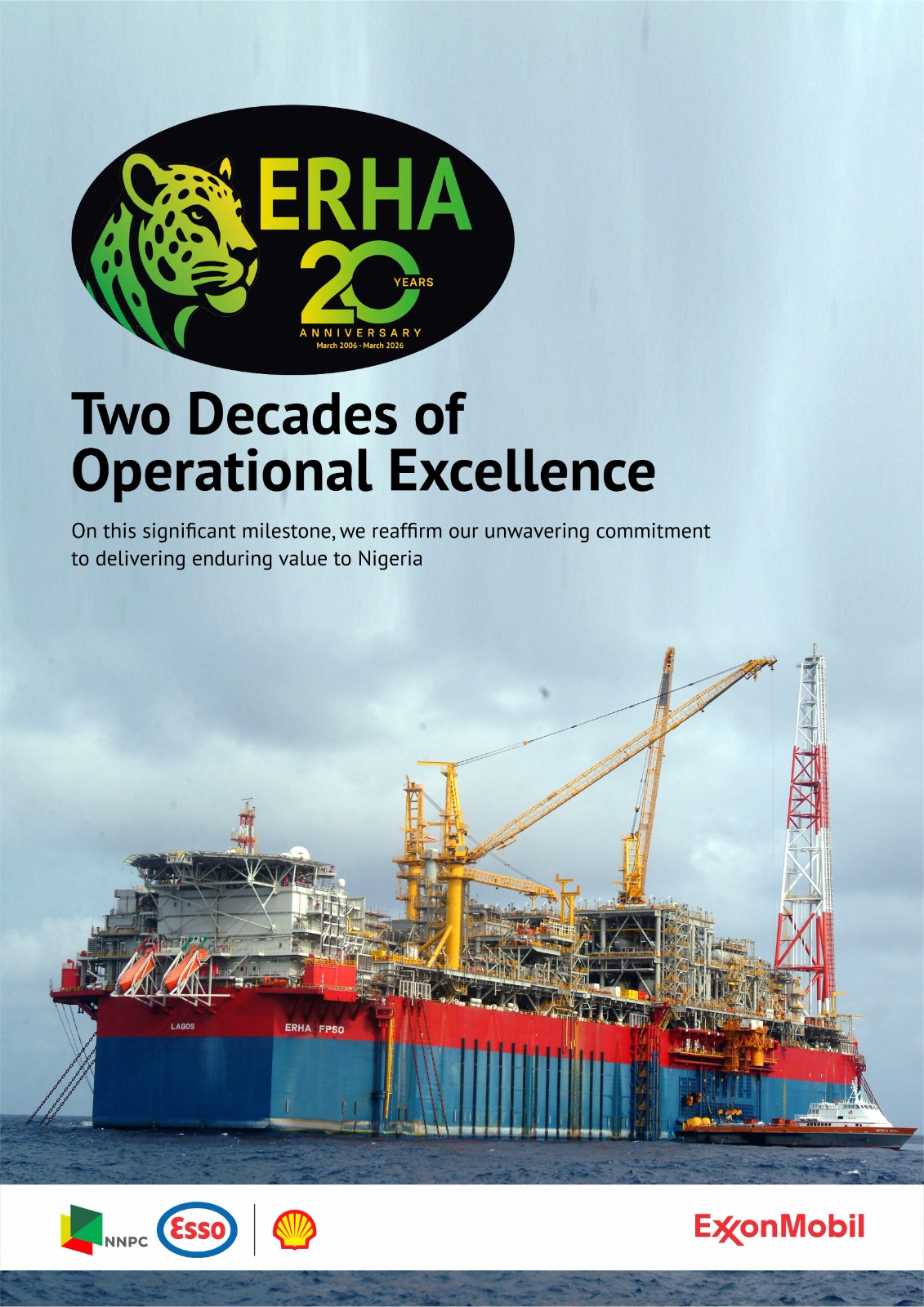
The Minister spoke against the backdrop of an emerging pipeline of petroleum projects moving towards Final Investment Decision (FID), which he said would generate significant demand for highly skilled professionals capable of executing projects to international standards.
He, however, warned that the anticipated investment inflow could expose a critical weakness in the industry if the country failed to simultaneously modernise its human-capital development system.
According to him, the professionals required to deliver the projects would largely come from Nigeria’s training institutions, particularly members of the Oil and Gas Trainers Association of Nigeria (OGTAN), which has more than 400 members.
“Those human beings are members of the public who must have been trained by OGTAN… who are expected to have the competence to deliver those projects, not just for Nigeria, but for the entire world,” he said.
Lokpobiri said the scale of investment expected in the sector made it imperative for Nigeria to move beyond attracting capital to ensuring that the country possessed the human capacity to absorb and execute such investments.
He expressed concern that several lecturers and resource persons in Nigerian universities and other tertiary institutions were still relying on training materials and methodologies that had failed to keep pace with the rapid technological transformation of the global petroleum industry.
The Minister particularly pointed to the emergence of artificial intelligence and other advanced technologies, arguing that trainers themselves must undergo continuous retraining if they are to effectively prepare engineers, technicians and other professionals for the modern oil and gas industry.
“If the training system underpinning that capital is still operating on a fifty-year-old blueprint, the risk is that Nigeria’s newly de-risked capital arrives faster than its newly-promised workforce can be built,” he said.