Skip to content


Hope rises for global shipping as French vessel sails through Hormuz

Frank Okon
A container ship linked to French shipping giant CMA CGM has reportedly become the first Western European-affiliated vessel to transit the Strait of Hormuz since the start of the Iran war, signaling a tentative return of commercial traffic to the critical waterway.
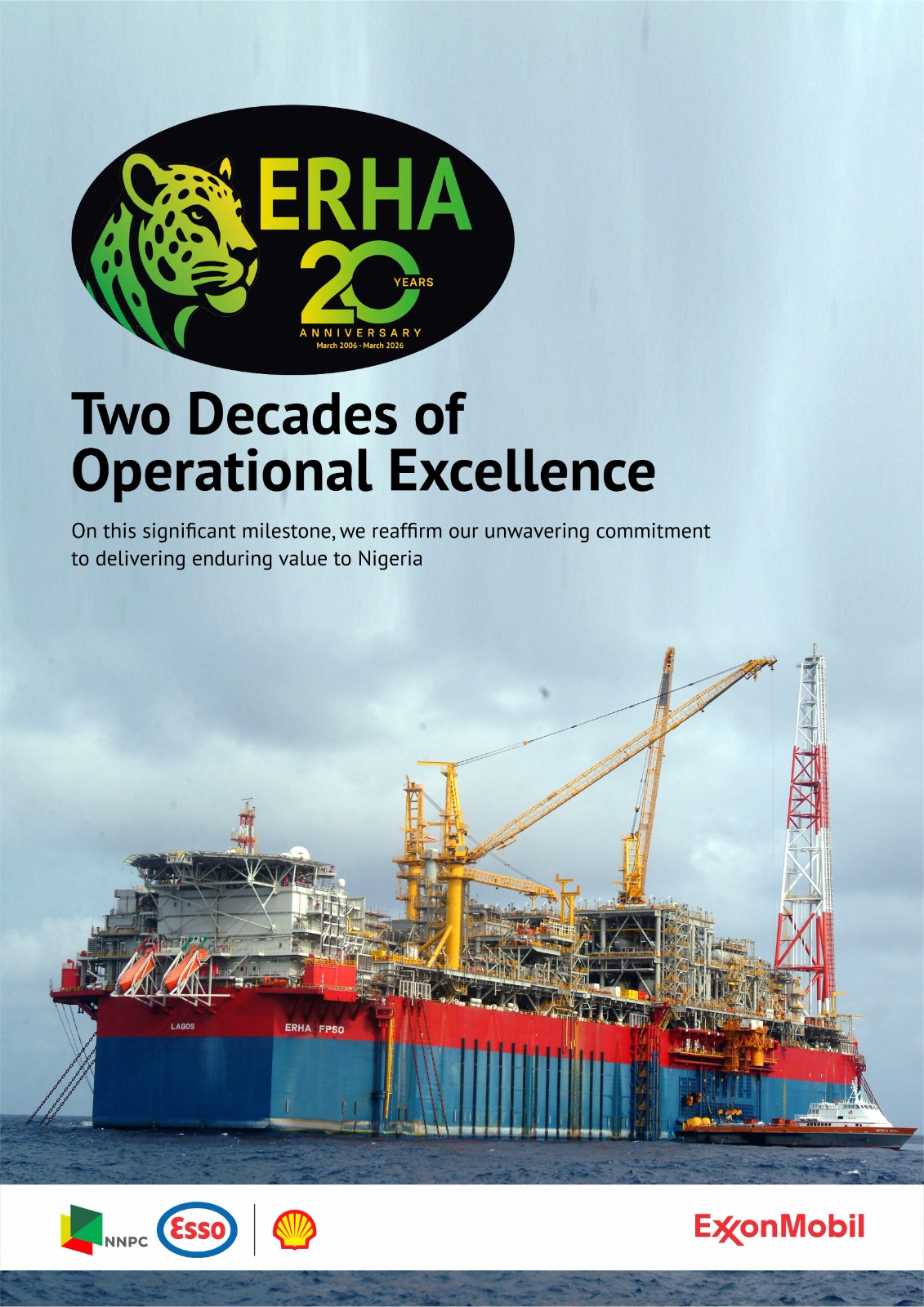
The Maltese-flagged CMA CGM Kribi, part of the world’s third-largest container line, sailed eastbound from waters off Dubai on Thursday. Ship tracking data showed the vessel openly broadcasting its French ownership as it navigated along the Iranian coastline, passing through the designated shipping corridor between Qeshm and Larak islands.
The ship had been idle in the Gulf since early March, reflecting a broader halt in non-Iranian commercial shipping after the conflict sharply curtailed traffic. Its passage is believed to have been coordinated with Iranian maritime authorities, suggesting early efforts to re-establish controlled transit routes.
The vessel is reportedly en route to Pointe-Noire in the Republic of Congo, operating on a trade route linking India, the Gulf, and Africa. Its successful crossing follows earlier movements by Chinese-linked ships and may encourage other global carriers to cautiously resume operations if safe passage can be maintained.
At the same time, Iran appears to be formalizing new rules for access to the strait. Deputy Foreign Minister Kazem Gharibabadi said Tehran is working with Oman on a protocol to secure maritime traffic. Reports indicate that the Islamic Revolutionary Guard Corps may introduce transit tolls starting at $1 per barrel and is considering alternative payment systems, including Chinese yuan or stablecoins.
There are also discussions about requiring vessels to submit detailed operational data for approval through intermediaries linked to the IRGC, with access potentially governed by a country-based ranking system.
In a separate development, an LNG tanker—the Sohar LNG—has entered the strait, marking what could be the first such transit since the conflict began. The vessel, currently not carrying cargo, altered course toward Oman’s Qalhat LNG terminal and began moving eastward through the passage on Thursday, according to tracking data.
If completed, the journey would represent an important step toward restoring energy shipments through the strait. Until now, most energy carriers—including oil tankers and LNG vessels—have avoided the route due to heightened security risks and the suspension of standard maritime insurance.
Together, these movements suggest a cautious reopening of one of the world’s most vital shipping corridors, though significant uncertainty remains over security, regulation, and the long-term stability of maritime operations in the region.